Direct Answer
For men’s hair removal products private label, packaging and directions should communicate speed, control, and practical grooming performance within seconds. The right format depends on the body area, removal method, retail channel, and expected use frequency. A depilatory cream needs clear timing directions, an easy-to-dose tube, and a pack that protects the formula from heat and leakage. Wax strips need strong adhesion, compact storage, and instructions that reduce hesitation for first-time users. Roll-on wax and sugar wax require more detailed handling guidance because viscosity, application temperature, and cleanup affect the result.
For founders, the best packaging decision is not the most elaborate one. It is the format that makes the product easy to understand on a short video, easy to use at home, stable during shipment, and realistic to produce at the target volume. An experienced ODM partner should test the formula, container, label copy, and channel requirements as one launch system.
Private label hair removal products should be developed around the buyer journey: discover, understand, try, repeat, and recommend.
Key Takeaways for Private Label Buyers
- Match the format to the use case. Cream, wax strips, sugar wax, roll-on cartridges, and aftercare each need different directions and package structures.
- Review texture before approving artwork. A cream that spreads too slowly, a wax that strings, or a strip that folds during use will create poor demonstrations and higher complaint rates.
- Test packaging with the finished formula. Check leakage, seal performance, label adhesion, dispensing control, and compatibility after heat and cold exposure.
- Write directions for the actual channel. Amazon detail pages, salon cartons, TikTok demonstrations, and subscription boxes have different space and education needs.
- Request a defined sample scope. Confirm the number of formula versions, pack formats, revision rounds, and delivery dates before development begins.
- Plan the next volume tier early. A pilot pack should be capable of scaling without changing the formula or consumer experience after demand increases.
Hair removal product solutions help narrow the initial SKU decision by application, buyer type, and launch channel.
Buyer Context
Men’s grooming products are often purchased with a practical objective: remove visible hair from the chest, back, shoulders, legs, face, or intimate areas with limited mess and predictable results. That objective changes how buyers judge a product. They want straightforward instructions, enough product for the stated area, and packaging that feels functional rather than decorative.
Channel fit matters just as much. A DTC brand can use a bold tube, high-contrast label, and short-form video to demonstrate a cream or post-removal soothing gel. A salon distributor may prioritize carton durability, batch traceability, and professional directions. A subscription box may need a compact wax strip format with a high perceived value and low leakage risk. A marketplace listing must make the application time, compatible body areas, and skin-use limitations easy to find.
This is why a founder should define the channel before selecting the pack. The same removal formula can require different formats for a creator-led launch, a retail shelf, or a professional grooming account. A hair removal OEM ODM service should translate the marketing idea into a workable formula, container, carton, and shipment plan.
For brands entering a new region, label review should happen before mass printing. Ingredient naming, net contents, directions, warnings, responsible party information, and language requirements need to match the destination market. The FDA summary of cosmetic labeling requirements is a useful starting point for United States projects. Brands selling in Gulf markets should also review the Gulf Standardization Organization framework with their local advisor.
Packaging can also reinforce product positioning. A men’s cream may use a controlled opening and matte tube for clean application. Wax strips can use a resealable pouch for travel and repeat use. Aftercare can be packed as a companion gel or lotion that extends the grooming routine. Buyers can review post-depilation care OEM options when the launch requires a complete removal and recovery set.
A specialized hair removal factory is most useful when it can connect these decisions to sampling, filling, packaging, quality review, and shipment rather than treating each task as a separate handoff.
Technical and Packaging Factors
Formula texture and application control
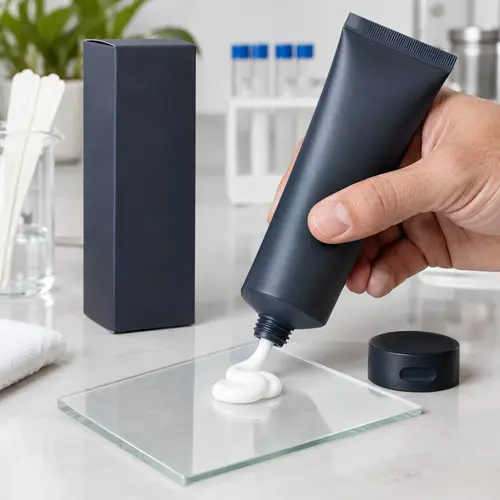
Texture is a performance variable and a content variable. Depilatory cream should spread in an even layer without running, clumping, or drying too quickly during the stated application window. The team should record viscosity at a defined temperature, observe the product on representative hair and skin areas, and confirm that the package opening dispenses a controlled amount. For depilatory cream OEM projects, buyers should compare at least two texture options before approving the final consumer test.
Wax requires a different review. Hard wax, sugar wax, and roll-on wax should be assessed for flow, pickup, stringing, spread width, and removal feel. For heated formats, the target melting range and working temperature must be clear in the operating instructions. Roll-on cartridges also need a practical check for roller movement, cap sealing, and leakage after transport. A wax strip needs consistent wax distribution and reliable adhesion without excessive residue.
Packaging compatibility and shipment conditions
Compatibility testing should use the finished formula, finished container, closure, label, and secondary pack. Check whether the formula softens the plastic, weakens the seal, transfers ink, lifts the label, or changes odor after storage. For tubes and jars, inspect closure torque and leakage after repeated opening. For cartridges, check the roller and cap after vibration and orientation changes. For strip pouches, inspect seal strength and moisture protection.
Heat and cold exposure matter because products may move through warehouses, trucks, parcel networks, and bathrooms with inconsistent temperatures. The project brief should define storage conditions, inspection points, and acceptable appearance changes. A practical stability review can include appearance, odor, texture, package integrity, and dispensing behavior at each planned checkpoint. These observations should support the label directions and shipment conditions, not sit in a separate technical file.
Directions, warnings, and visual communication
Directions should answer five questions quickly: where to apply, how much to use, how long to wait, how to remove or rinse, and what to do if discomfort occurs. Avoid vague language such as use as needed. State the intended body area, recommend a small-area test where appropriate, and explain that the user should not exceed the specified time. For shaving and grooming products used around the face or beard area, the pack should clearly distinguish facial use from body use.
Visual content should demonstrate the actual texture, application thickness, strip separation, or roll-on motion. This is especially important for creator-led brands. A high-contrast cream, controlled wax pull, or compact aftercare kit can become useful content when the product performs consistently. Packaging should support the shot: readable front-panel hierarchy, clean dispensing, and a format that stays stable in the hand.
For packaging and production review, buyers can use the hair removal manufacturing process and request a hair removal product quote pages to define sample requirements, pack components, and delivery assumptions.

Decision Framework Table
| Factor | What to Check | Why It Matters | ODM Buyer Note |
|---|---|---|---|
| Formula texture | Spread, viscosity, stringing, residue, and removal feel at the intended use temperature | Controls user confidence, coverage, mess, and short-video presentation | Request side-by-side samples with written application conditions |
| Package compatibility | Container material, closure, seal, label adhesion, and dispensing behavior with the finished formula | Reduces leakage, deformation, contamination, and consumer complaints | Approve the formula and pack together, not as separate samples |
| Storage and shipment | Appearance, odor, texture, seal integrity, and leakage after heat, cold, and transit simulation | Protects product quality across warehouses and parcel delivery | Define inspection checkpoints and acceptable changes in the project brief |
| Directions | Body area, amount, timing, removal method, warnings, and aftercare steps | Reduces misuse and makes the SKU easier to understand on a listing or video | Review label copy before artwork and regional release |
| Sample and MOQ scope | Number of formula versions, pack options, revision rounds, pilot quantity, and scale-up path | Prevents hidden delays and protects launch planning | Ask whether the pilot line can produce the later volume without reworking the formula |
Buyers considering a mild positioning can also review sensitive skin hair removal products and define an irritation-risk review before finalizing claims. For a broader grooming system, a hair inhibitor serum OEM option may be evaluated as a post-removal companion rather than as a replacement for the core removal SKU.
ODM Manufacturing Considerations
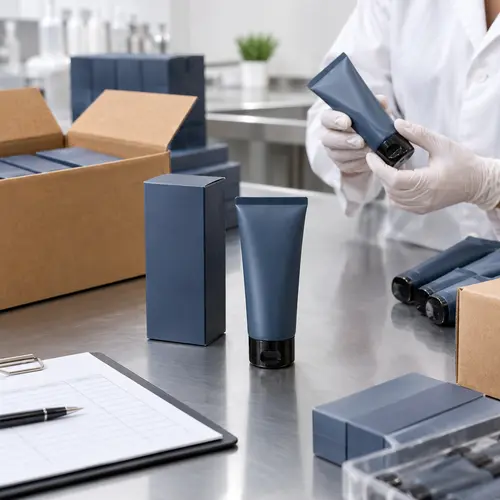
The strongest launch brief connects product promise to manufacturing evidence. State the intended channel, body area, use frequency, texture reference, pack size, target shipment region, and content format. Then ask the ODM team to return a sample plan, component list, testing scope, label document checklist, and estimated production path.
For wax-led concepts, include a compatibility review for strips, pouches, jars, and roll-on cartridges. For cream-led concepts, include tube or pump dispensing, seal performance, and storage review. For aftercare, confirm that the secondary product can be packed, labeled, and shipped with the removal SKU without creating leakage or carton issues. Wax strip and hot wax buyers can compare formats through wax strips OEM and hot wax OEM manufacturing.
A practical next step is a focused RFQ containing three decisions: the first product format, the visual behavior that must appear on camera, and the launch channel that defines the label and pack constraints. The supplier should then confirm sample timing, pilot quantity, documentation, packaging compatibility checks, and the path from the first approved sample to repeat production.
ODM Manufacturing Considerations
For men’s hair removal products private label programs, the most important ODM decision is whether the supplier can turn a creative brief into a repeatable product specification. Start with a sample confirmation sheet covering the product format, target use area, fragrance level, color, texture, application time, removal method, pack size, and acceptable visual variation. A buyer should approve a retained sample and written specification before artwork and bulk production move forward. This reduces disputes over whether a cream is too thin, a wax is too brittle, or a sugar wax is too stringy.
Formula customization should be tied to a clear market use case. A face-oriented depilatory cream may need a different application feel and fragrance approach from a body product. A beard-area wax strip may require controlled adhesion without excessive residue, while a roll-on wax cartridge needs a consistent flow through its roller head. Ask the supplier to explain which changes are practical within the selected base and which changes would require a new sample round. Useful confirmation points include appearance, odor, spread, removal behavior, melting point where relevant, and viscosity range at an agreed test temperature.
Packaging compatibility must be reviewed alongside the formula rather than after the label is complete. Confirm whether the cream can interact with the tube, cap liner, nozzle, or seal. For wax products, check that heat exposure during storage will not soften the product enough to deform the jar, loosen the lid, or create leakage around a cartridge. For strips, review the adhesive layer, release paper, pouch seal, and carton fit. The supplier should document the pack components, material specifications, fill weight tolerance, and closure checks. Related OEM/ODM services and the manufacturing process pages should make these responsibilities clear.
Stability review should reflect the markets and shipment route. Request observations after controlled warm and cool storage, including color, odor, separation, viscosity, wax flexibility, seal condition, and label adhesion. A product that looks acceptable at room temperature can still fail after sitting in a hot delivery vehicle or a cold warehouse. Shipment conditions should therefore define carton strength, inner protection, palletization, temperature exposure limits, and whether air or sea transport changes the risk profile.
MOQ should be assessed with the full package, not only the formula. A supplier may accept a modest formula run but require a larger quantity for printed tubes, custom pouches, cartons, or molded cartridge parts. Ask for separate quantities for sample development, pilot production, standard production, and reorders. Obtain a BOM with component costs, setup charges, testing charges, artwork fees, and freight assumptions. A transparent quote is also a buying trigger because it allows the brand to compare product decisions without hidden packaging costs.
Labeling documents should include the ingredient declaration, net contents, batch or lot identification approach, shelf-life or period-after-opening guidance where applicable, directions, warnings, manufacturer information, and country-specific language requirements. For Gulf distribution, review the relevant Gulf Standardization Organization framework with the importer or local advisor. For United States distribution, compare the finished label against the FDA summary of cosmetic labeling requirements. The factory can provide documents, but the brand remains responsible for confirming that the final label fits the destination market.
Suggested internal links: Buyers can connect the approved brief to depilatory cream products, wax strips, roll-on wax cartridges, and the RFQ and contact page during supplier evaluation.

Common Problems or Failure Cases
Wax brittleness: A hard wax or strip wax may crack when folded, lifted, or stored in a cooler environment. Confirm flexibility at the intended storage range and inspect several units from different cartons. The buyer should define the acceptable pull behavior instead of approving only one attractive sample.
Loss of strip adhesion: Adhesion can weaken when the wax layer is uneven, the release paper shifts, or the pouch seal allows heat and humidity exposure. Check strip separation, application grip, residue, and removal performance after shipment simulation. A strip that performs in a factory room may not perform after a long delivery route.
Cream separation: Visible oil, watery leakage, graininess, or inconsistent color can signal a storage or package interaction issue. Review filled samples after warm and cool holding, then compare them with the approved reference sample. Do not approve production from appearance alone; application spread and removal timing must remain consistent.
Cartridge leakage: Roll-on wax can escape around the roller head, cap, or bottom seal when the cartridge is stored horizontally or exposed to heat. Test upright and sideways storage, inspect the closure after handling, and include transport vibration in the shipment review. Carton dividers may be necessary if the cartridge is vulnerable to impact.
Fragrance sensitivity: A strong scent may attract attention in social content but create complaints for users with fragrance sensitivity. Ask for a low-fragrance or fragrance-free option, review the warning language, and test the finished product rather than relying on the fragrance description in the brief.
Packaging deformation: Tubes, jars, pouches, and cartons can warp or collapse when the product softens or when cartons are compressed. Confirm fill level, headspace, closure torque, seal width, and carton stacking limits. Product photography should also be based on production-intent packaging so the visual promise matches what customers receive.
Supplier Checklist
- Can the supplier provide a written sample specification covering color, odor, texture, spread, removal behavior, and application time?
- Can it customize cream, wax, sugar wax, strip, cartridge, or aftercare formats without changing the agreed user experience?
- Does it test formula and packaging together, including leakage, seal quality, deformation, and label adhesion?
- Are warm and cool storage conditions defined for both formula and finished pack?
- Can the supplier explain melting point or viscosity targets when those properties affect dispensing or application?
- Are irritation-risk warnings, fragrance options, directions, ingredient documents, and destination-market label requirements included in the review?
- Are sample quantities, revision limits, MOQ, component minimums, and reorder terms written separately?
- Does the quotation show BOM items, setup costs, testing charges, packaging costs, and estimated logistics?
- Can the supplier reserve a realistic production window if a social campaign creates a sudden order increase?
- Does the account manager understand the brand’s content angle, customer use area, and visual requirements in plain business language?
- Are retained samples, batch records, inspection results, and complaint-handling responsibilities available to the buyer?
A supplier that cannot answer these questions clearly may still offer an attractive sample, but the buyer has limited control once the product reaches production and distribution.

FAQ
How can I protect my concept and custom formula from being sold to another brand?
Use a written confidentiality and ownership agreement before sharing detailed briefs, artwork, or custom formula requirements. Define which parts are the supplier’s existing base, which changes are created for your brand, who owns the approved artwork and specifications, and whether the supplier may show or reproduce the product. Keep versioned approvals and purchase documents so the commercial agreement matches the product being made.
Can the finished product achieve a dramatic visual effect on camera?
It can, but the effect must be specified as a production requirement. Request samples under the lighting, container, and application conditions used for content creation. Evaluate color, gloss, foam, spread, stringing, peel behavior, and residue on camera as well as in normal use. The most visually striking version still needs acceptable application control and user warnings.
How can I reduce the risk of a product causing serious customer complaints?
No supplier can promise zero complaints. Reduce risk through a defined use area, patch-test direction where appropriate, clear timing limits, ingredient and fragrance review, retained samples, batch inspection, and a documented complaint process. Confirm that finished samples match the approved reference and that the factory can identify affected lots if a quality issue appears.
I do not understand ingredients. Can the factory understand a social media marketing brief?
A capable ODM team should translate marketing language into measurable product requirements. Explain the intended video scene, audience, body area, removal method, visual effect, fragrance preference, and price position. Ask the supplier to return that brief as a technical specification with open questions. This creates a shared approval document without requiring the buyer to write technical language.
What happens if a video goes viral and demand suddenly increases?
Ask before launch about available production windows, component lead times, maximum monthly output, overtime limits, and allocation rules during peak demand. Agree on a forecast process and a reorder trigger. A supplier should explain whether your approved formula and packaging can be repeated quickly or whether printed components and custom parts will become the constraint.
Which documents should I request before shipment?
Request the final ingredient declaration, approved artwork, directions and warnings, batch or lot information, packing list, invoice, shipment specifications, and inspection records agreed in the purchase documents. Confirm carton dimensions, gross weight, storage instructions, and any destination-market documents required by the importer. Keep the approved sample and final label together in the product file.
References
The FDA summary of cosmetic labeling requirements supports the label-document review described above. Buyers distributing in Gulf markets should consult the Gulf Standardization Organization and confirm current requirements with the local importer. For brands using iron oxide pigments in a colored hair-removal product, the CIR safety profile of iron oxide pigments is a useful ingredient reference, subject to the finished product and destination-market review.