Direct Answer
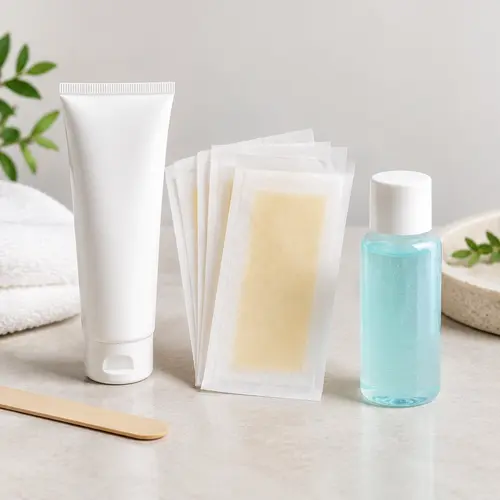
For most creator-led brands, the best travel size hair removal products are a compact depilatory cream tube, individually packed wax strips, or a small cream-and-aftercare set. These formats are easy to demonstrate on camera, simple for first-time users, and less vulnerable to heat, leakage, or application errors than mini wax pots and roll-on systems.
Choose the format by use case, not novelty alone. Wax strips fit quick touch-ups and subscription boxes. A 30–50 mL cream tube offers stronger visual storytelling and more room for a differentiated formula. Sugar wax and roll-on cartridges can create compelling content, but they require tighter temperature, viscosity, and packaging control. Pairing the hero product with a 10–20 mL soothing gel can increase perceived value without making the kit complex.
Before committing, review camera performance, irritation risk, package compatibility, storage behavior, labeling needs, sample scope, and the path from a 1,000-unit pilot to repeat production.
Key Takeaways for Private Label Buyers
- Start with the use moment. Select wax strips for fast touch-ups, cream for an accessible all-in-one routine, and wax formats for buyers already comfortable with technique.
- Test the retail package, not only the bulk formula. Heat, pressure, cap fit, pouch seals, and product contact can change performance after filling.
- Review samples under filming conditions. Texture, color, spread, removal, residue, and skin finish should read clearly under direct lighting and phone-camera exposure.
- Build warnings into the concept early. Contact time, patch-test language, application zones, and sensitive-skin positioning affect both the formula brief and available label space.
- Keep the first SKU operationally simple. One hero product plus one aftercare item is usually easier to launch than a kit with heaters, spatulas, multiple waxes, and complex instructions.
- Confirm scale before content goes live. Align the sample calendar, BOM, packaging lead time, shipment conditions, and reorder capacity with the planned campaign date.
Buyer Context
Travel formats compress every product decision. A full-size jar can absorb minor variations in label dimensions, closure size, or fill behavior. A mini package cannot. The same formula must remain usable after warehouse storage, parcel handling, temperature changes, and repeated opening, while still looking intentional in a close-up video.
Format also shapes the audience. Individually packed strips can make removal feel immediate: open, apply, pull, and show the result. Buyers exploring this route should compare backing flexibility, adhesive loading, hair pickup, residue, and pouch seal quality through a qualified private label waxing products program. Depilatory cream is more familiar to a broad market, but the sample review must cover spread, odor, dwell-time communication, rinse behavior, and package dispensing. A specialized private label depilatory cream brief should separate visual preferences from essential performance requirements.
Sugar wax and compact wax jars can deliver high-impact texture content. They are also more sensitive to temperature and user technique. Roll-on wax cartridges offer a clean application visual, yet cartridge fit, roller movement, warming instructions, and leakage risk add operational steps. These products are better suited to a focused waxing audience than a broad first launch.
Aftercare can complete the story without distracting from the hero SKU. A small calming gel, lotion, or after hair removal serum can support a more considered routine. Review relevant after wax care products alongside the main format so both items share compatible positioning, fragrance direction, and package design.
For founders without an internal product team, the supplier must translate a social-media concept into measurable sample criteria. A clear custom hair removal product development scope should define what is included in each sample round, what packaging is available without new tooling, and which changes may affect cost or timing. Broader private label hair removal solutions can help compare cream, strip, wax, and aftercare options before the brand invests in artwork.
Technical and Packaging Factors
Formula Behavior
A travel product must deliver consistent texture from the first use to the last. For cream, check spreadability, dispensing force, odor profile, contact-time instructions, rinse-off, and residue. If the concept targets the face or sensitive areas, request a dedicated irritation-risk review rather than simply softening the marketing language. A mild hair removal formula should be assessed against the intended application zone, user instructions, fragrance level, and package size.
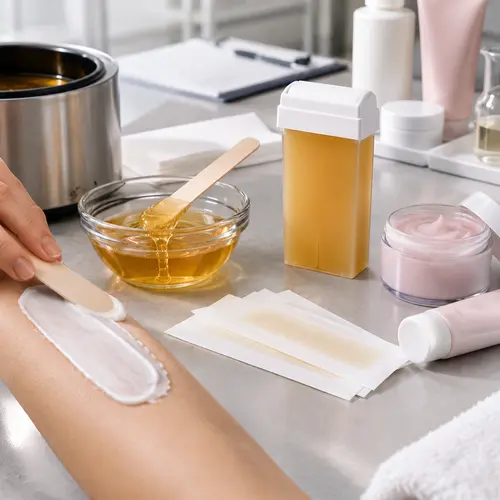
For sugar wax, hot wax, or cosmewax-style concepts, ask for the working temperature or viscosity window. The product should not become unusably firm in cool storage or excessively fluid during warm transit. Wax strips require a different review: adhesion must remain consistent through aging, and the strip should release cleanly without excessive residue.
Pack Compatibility
Small packs have a high package-to-formula contact ratio. Review tube laminate, closure liner, crimp quality, nozzle diameter, pouch barrier, jar seal, and cartridge components with the actual formula. A visually attractive package is not launch-ready if the cream discolors the tube, wax migrates into the seal area, or a roller becomes difficult to turn.
Run leakage checks upright, sideways, and inverted. Include filled units from the intended production line, not hand-filled display samples. For roll-on wax, test roller rotation before and after warm storage. For strips, inspect pouch seals and adhesive transfer. For mini jars, check lid deformation, thread engagement, and product movement during parcel simulation.
Storage and Stability
A practical pilot brief may include a 12-week accelerated review at 40°C, with 5°C and 25°C controls, plus three freeze-thaw cycles. These are planning points, not universal release rules; the program should reflect the formula, package, market, and shipment route. Record changes in color, odor, separation, viscosity, seal integrity, leakage, and dispensing.
The hair removal manufacturing process should connect sampling, filling, package review, quality inspection, and shipment preparation. Buyers should ask whether the final sample uses the same ingredients, package contact materials, and filling method planned for production.
Safety and Market Readiness
Hair-removal products need concise, legible instructions. Review application zones, maximum contact time, patch guidance, age restrictions where applicable, storage language, and actions to take if irritation occurs. Small packages create limited label space, so carton, leaflet, peel-back label, or digital instruction choices should be decided before artwork approval.
Ingredient and irritation research can be screened through the NCBI literature database and the Journal of Cosmetic Dermatology archive. Brands planning UAE distribution should also verify applicable product and labeling expectations through UAE MoIAT resources. The supplier should provide the documentation set required for each target market rather than assuming one label works everywhere.
Sampling and Launch Control
Request a sample plan that answers five questions: which formula is being tested, which package is being tested, what may still change, what the change will cost, and when the locked sample can enter production. Camera testing should happen in the first useful round, not after packaging purchase. Ask for a transparent BOM range, tooling status, packaging lead time, shipment estimate, and the capacity reserved for reorders.
Founders can review available hair removal product guides before finalizing the brief, then use a formal hair removal product RFQ to document format, fill size, target market, claims direction, sample quantity, and campaign deadline. A qualified hair removal OEM manufacturer should be able to explain the tradeoffs without forcing the concept into a generic stock package.

Decision Framework
| Factor | What to Check | Why It Matters | ODM Buyer Note |
|---|---|---|---|
| Format | Cream tube, wax strips, sugar wax, roll-on cartridge, or aftercare set | Defines user skill, content style, and production complexity | Choose one hero action for the first launch |
| Texture | Spread, flow, grip, removal, residue, and skin finish | Drives both real performance and on-camera impact | Approve under realistic room and filming conditions |
| Package | Seal, closure, liner, nozzle, roller, pouch, and label area | Prevents leakage, dispensing failure, and unreadable warnings | Test production-intent components with filled formula |
| Storage | Heat, cold, freeze-thaw, orientation, and parcel handling | Travel formats face variable storage and shipment conditions | Define acceptance criteria before the test begins |
| User Safety | Application zone, contact time, patch guidance, and irritation review | Reduces misuse and protects brand trust | Match instructions to the exact formula and fill size |
| Launch Plan | MOQ, sample rounds, BOM, lead time, and reorder capacity | Keeps manufacturing aligned with the content calendar | Confirm the scale-up route before publishing a launch date |
ODM Manufacturing Considerations
Private-label buyers should treat sample approval as a controlled decision point, not as a quick request for a free product. For travel size hair removal products, the approved sample should represent the intended formula, fill level, closure, label treatment, and shipment conditions. Ask the supplier to assign a sample code and record the version of the formula, fragrance, color, packaging material, and application instructions. This prevents later production from drifting away from the product shown to your team or content creators.
Sample confirmation should cover more than appearance. For depilatory cream, check spreadability, dispensing force, residue, removal performance, and the skin feel after rinsing. For wax strips, inspect the coating uniformity, strip flexibility, release behavior, and adhesion after storage. For sugar wax and roll-on wax cartridges, document the working temperature range, melting behavior, viscosity, roller movement, and the amount delivered per use. A factory that can provide a rapid sample route, including a seven-day sample option when feasible, is better positioned to match a scheduled product launch.
Formula customization should be described in practical terms. Confirm which elements can change, such as fragrance level, color, wax hardness, cream viscosity, soothing aftercare texture, or hair-removal strength. Ask which changes require a new sample and which changes affect the product label or safety documents. A supplier should also explain the irritation-risk review for sensitive skin claims, fragrance allergens, essential oils, preservatives, and the intended body area. Avoid approving a formula based only on a dramatic demonstration; require written application limits and consumer directions.
Packaging compatibility must be checked with the actual formula and final closure. A tube, pouch, jar, strip envelope, cartridge, or aftercare bottle can behave differently after filling than it does with an empty-package inspection. Request compatibility observations for seal integrity, odor transfer, discoloration, swelling, cracking, label adhesion, and dispensing performance. For roll-on products, confirm that the ball or roller remains mobile after heat exposure and that the cap does not loosen during transport. For wax jars, inspect the thread, lid liner, and opening behavior after repeated use.
The stability review should reflect the markets and transport routes you plan to serve. Ask for a written schedule covering ambient, warm, cold, and cycling conditions, with observations for separation, viscosity change, fragrance shift, color change, leakage, and package deformation. A cold-storage control is useful for identifying brittleness or phase changes that may not appear in warm testing. Shipment samples should be evaluated after the intended carton configuration, because a product can pass a bench review and still fail through vibration, compression, or temperature exposure.
MOQ should be discussed together with customization scope. A low first order may be possible with an existing formula and stock packaging, while a new fragrance, custom mold, printed pouch, or special cartridge can require higher commitments. Request a line-item BOM showing formula, filling, components, decoration, testing, cartons, and any tooling. Include estimated freight and export documentation so the landed cost is understandable before approval. This transparency is especially important when a social media launch may require a small validation order followed by a larger replenishment.
Labeling documents should include the ingredient list using the required naming convention, net contents, batch or lot identification, directions, warnings, storage language, country-of-origin details, and responsible-party information where applicable. Ask for available product specifications, safety information, certificate-of-analysis documentation, and packaging material details. The supplier should identify which documents are standard and which require additional work for a target market. For Middle Eastern distribution, review applicable requirements through the UAE MoIAT industrial standards before artwork is finalized.
Shipment conditions should be agreed in writing. Define acceptable temperature exposure, carton orientation, pallet or case configuration, inner protection, and inspection timing on arrival. Keep retained samples from the approved production lot and compare them against the shipment. A capable ODM partner should be able to explain how it reserves capacity for a successful launch, including the lead time for repeat orders and how urgent replenishment is prioritized when a campaign performs above expectations.

Common Problems or Failure Cases
Wax brittleness: A sugar wax or hard wax may become difficult to spread when the formula, container, or storage temperature is unsuitable. The result can be excessive tugging, uneven removal, or broken portions left on the skin. Confirm the working-temperature instructions, texture after storage, and whether the product remains workable across the intended shipping climate.
Strip adhesion loss: Wax strips can lose performance when the coating is uneven, the release layer is incompatible, or the package allows moisture and heat exposure. Review adhesion on representative hair lengths after storage, not only immediately after production. Check that the strip envelope closes consistently and that the coating does not transfer to the package.
Cream separation: Depilatory cream may show oiling, water release, graininess, or a changed odor if the formula and tube are poorly matched. Request retained samples from different fill points and compare texture, color, dispensing force, and removal performance. Any change should be investigated before the product is released, especially for a sensitive-skin positioning.
Cartridge leakage: Roll-on wax can leak through the roller assembly, cap, seam, or cartridge body during warm transport. Inspect filled units in their shipping orientation and after vibration or temperature exposure. Confirm that the roller rotates smoothly without flooding the package and that the cap remains secure under normal consumer handling.
Fragrance sensitivity: A strong fragrance may create a memorable unboxing experience but can also narrow the suitable audience. Ask for fragrance allergen information and a lower-fragrance or fragrance-free option where appropriate. Consumer directions should clearly state the intended use area, patch-test advice, contact-time limits, and actions to take if discomfort occurs.
Packaging deformation: Lightweight tubes, pouches, jars, and cartons can dent, warp, or lose their seal when exposed to heat, compression, or poor case packing. Approve the final shipping configuration rather than only the retail unit. Photograph incoming cartons and record damaged quantities so the supplier can trace whether the issue came from filling, packing, storage, or transit.
Supplier Checklist
- Can the supplier provide a coded sample with formula, fragrance, color, viscosity, wax behavior, and packaging version recorded?
- Does the sample scope cover the exact product format, including tube, pouch, jar, strip envelope, cartridge, or aftercare pack?
- Are customization limits clear for texture, color, fragrance, removal performance, and sensitive-skin positioning?
- Will the supplier document irritation-risk review, application limits, warnings, directions, and intended body area?
- Has the filled package been checked for leakage, seal strength, roller movement, thread quality, label adhesion, and deformation?
- Is there a written stability plan covering warm, cold, ambient, and cycling conditions relevant to the destination market?
- Can the supplier provide a transparent BOM, MOQ by packaging option, tooling charges, repeat-order lead time, and freight estimate?
- Are ingredient, batch, safety, product specification, and labeling documents available before artwork approval?
- Can the factory explain retained-sample control, lot traceability, release inspection, and handling of a failed batch?
- Does the account team understand content deadlines, visual requirements, audience concerns, and forecast changes in marketing demand?
- Can the factory show relevant overseas hair-removal launches or comparable OEM/ODM case experience without disclosing another client’s confidential information?
- What capacity reservation and replenishment process applies if a campaign creates an unexpected order increase?
Use the answers to compare suppliers on evidence, not presentation quality. A polished factory tour does not replace a controlled sample record, clear documents, filled-package testing, and a realistic replenishment commitment. For the next step, buyers can map these requirements against the relevant OEM/ODM service scope, manufacturing process, and RFQ requirements.

FAQ
How can I protect my concept and formula from being copied?
Use a written confidentiality and ownership agreement before sharing proprietary artwork, formula targets, customer data, or launch plans. Identify who owns new formula work, packaging designs, molds, and unused samples. Ask the supplier to limit access internally and to confirm that your formula and visual concept will not be offered to another customer. These steps reduce risk, but no supplier can honestly promise zero commercial or information risk without contractual controls and practical access restrictions.
Can a sample deliver the exaggerated texture or color needed for social media?
It can, but the visual effect must remain stable in the approved formula and packaging. Define the intended appearance with reference samples, color targets, texture descriptions, and lighting conditions. Review the product both in close-up video and during normal use. Confirm that a dramatic color, foam effect, wax pull, or cream texture does not create unacceptable fragrance, staining, irritation, or removal-performance problems.
How can I reduce the risk of a customer reporting severe irritation?
Ask for an ingredient review, intended-use limits, fragrance allergen information, warning language, and retained-sample control. Require clear directions, contact-time limits, and patch-test guidance appropriate to the product. Production inspection lowers the chance of an out-of-specification lot, but it cannot guarantee that every individual user will tolerate a depilatory product. Your claims, instructions, customer support process, and market review should match the actual product evidence.
What if I do not understand cosmetic ingredients or technical terms?
Request a plain-English product brief that translates your marketing goal into measurable checks: spread, removal time, wax working range, residue, fragrance intensity, aftercare feel, package format, and visual appearance. A strong account team should connect those points to a feasible formula and explain tradeoffs without hiding behind technical language. Test the communication with one sample revision and verify that the written brief matches the delivered product.
Can the factory keep up if a video creates sudden demand?
Ask for the monthly capacity of the relevant filling and packing line, current commitments, component availability, repeat-order lead time, and the process for reserving production slots. Agree on forecast bands rather than relying on a verbal promise. A small launch order can validate demand, while a pre-agreed replenishment plan reduces the chance that a successful campaign is delayed by packaging or raw-material availability.
What should I do when the received product differs from the approved sample?
Quarantine the affected lot, photograph the product and cartons, record the lot number and transport conditions, and compare it with the retained approval sample. Check texture, color, fragrance, fill, seal, leakage, and removal performance. Notify the supplier with objective evidence and request a root-cause report and disposition plan before distribution continues.
References
For general literature on cosmetic dermatology, ingredient tolerance, and consumer skin considerations, consult the PubMed and NCBI database. Market-specific industrial and product requirements should be verified with the UAE MoIAT and the relevant authority in each destination market.