Direct Answer
Depilatory cream stability testing should be planned as a staged decision process, not a final box to check before shipment. Start with a locked formula and intended package, define measurable acceptance limits, then review samples under room-temperature, elevated-temperature, cold-storage, and freeze-thaw conditions. At each interval, inspect appearance, odor, pH, viscosity, hair-removal performance, microbial quality, package deformation, leakage, and dispensing behavior.
For private-label buyers, the key is traceability. The sample approved on camera should match the formula, raw-material sources, filling method, and package used for production. A rapid sample can confirm the creative direction, but it cannot replace an 8- to 12-week accelerated screening plan and an ongoing real-time review. Your ODM should explain what is being tested, which results can support launch decisions, and which risks remain open. That clarity protects the product, the launch calendar, and the creator reputation behind both.
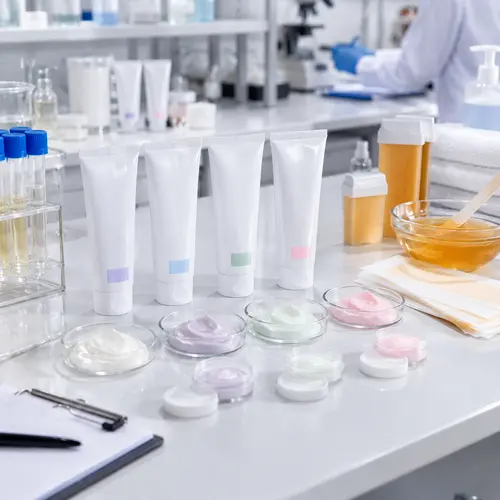
Key Takeaways for Private Label Buyers
- Lock the formula, fragrance, color, fill weight, and package before the formal stability review begins.
- Test the finished product in its actual tube, pump, sachet, or jar rather than reviewing bulk cream alone.
- Set written acceptance ranges for pH, viscosity, appearance, odor, dispensing, leakage, and removal performance.
- Treat a 7-day sample as a creative checkpoint, not proof of shelf-life or shipment readiness.
- Review hot, cold, ambient, freeze-thaw, and transport-related stress before approving mass production.
- Request a clear report connecting each sample code to the approved formula and packaging BOM.
Buyer Context
Hair-removal products operate under unusually visible performance pressure. A depilatory cream must spread evenly, remain in place for the stated use time, remove hair consistently, rinse cleanly, and avoid an unexpected odor or texture shift. If the cream thins in a hot warehouse, separates during ocean freight, blocks a pump, or reacts with a printed tube, the customer experiences the failure immediately.
This makes stability a commercial decision as much as a technical one. Creator-led brands often approve products through short videos, texture swatches, and before-and-after demonstrations. The visual sample may look perfect under studio lighting while still being unsuitable for a summer fulfillment center or repeated temperature changes. A qualified depilatory cream OEM should therefore connect the camera-ready sample to a documented production version without quietly changing the thickener, fragrance level, active system, or filling conditions.
The same principle applies across a broader hair removal product solutions line. Wax strips require aging review for adhesion, backing release, and pouch integrity. Sugar wax and hot wax need texture and melting-behavior checks. Roll-on cartridges need leakage and roller-flow review. Aftercare products require package compatibility and microbial monitoring, especially when sold as a kit with the main removal product.
Buyers should also separate launch speed from uncontrolled speed. Parallel sample, artwork, package, and documentation work can shorten a project. Skipping compatibility or storage review simply transfers risk to the first customer shipment. A capable hair removal OEM ODM services partner should provide a test map showing which activities can run together and which decisions require a locked sample first.
Technical or Packaging Factors
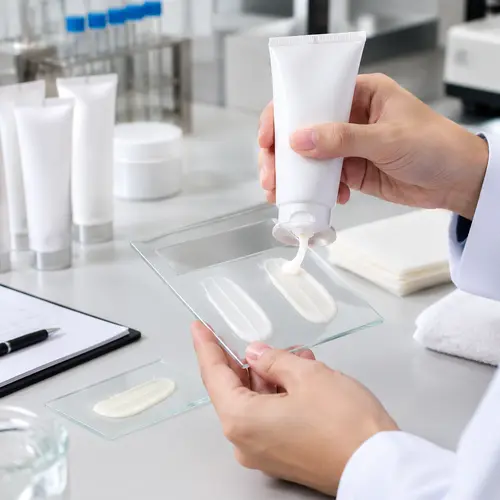
Formula identity. Begin with one approved master sample and a traceable formula code. Record its color, odor, spread, rinse profile, pH, viscosity, and practical hair-removal result. These become the comparison points for later intervals. For a gentle depilatory cream OEM project, include an irritation-risk review of fragrance, contact time, active level, and aftercare instructions. Mild positioning should be supported by the finished formula and use directions, not by branding language alone.
Storage matrix. A practical screening plan commonly includes approximately 4°C cold storage, 25°C ambient storage, and 40°C accelerated storage, plus 3 to 6 freeze-thaw cycles when shipment routes justify them. These are planning conditions, not universal pass rules. The ODM should define review intervals and acceptance criteria for the exact cream and market. FDA material on expiration dating and stability testing can inform disciplined study design, but product classification and applicable requirements must be confirmed for each destination.
Texture and performance. Viscosity should be measured with the same instrument settings at each interval. Buyers should also request a simple use simulation: dispense the cream, spread a controlled amount, observe sagging or drying, remove it at the intended time, and compare rinse behavior. Instrument readings alone may miss a cream that remains numerically in range but feels stringy, grainy, or difficult to spread.
Package compatibility. Test the market package, closure, liner, decoration, and applicator. Store samples upright, inverted, and on their side when relevant. Inspect seal integrity, panel swelling, discoloration, label lifting, print transfer, cracking, odor migration, and changes in dispensing force. The hair removal manufacturing process should also document filling temperature, sealing settings, and in-line weight checks because these variables can affect package results.
Microbial and documentation review. Stability observations should be paired with appropriate microbial checks and batch records. Buyers can consult Intertek’s cosmetic testing services when independent review is useful and should confirm market-specific labeling through the relevant authority, including applicable FDA provisions in 21 CFR Part 358 when product claims or classification make them relevant.
Line-extension logic. Do not assume one cream result covers every fragrance, color, fill size, or package. A travel sachet has different seal and moisture-loss risks from a full-size tube. A kit containing soothing gel after hair removal or an after hair removal serum needs a separate review for each finished item. Ask the supplier to identify which variants require full testing and which can be justified through a reduced matrix.
Decision Framework
| Factor | What to Check | Why It Matters | ODM Buyer Note |
|---|---|---|---|
| Formula lock | Sample code, pH, viscosity, color, odor, removal result | Prevents the production batch from drifting away from the approved sample | Request written change control before any substitution |
| Storage plan | Cold, ambient, accelerated heat, and freeze-thaw exposure | Reveals separation, thinning, odor change, and package stress | Define intervals and pass limits before testing starts |
| Packaging | Leakage, sealing, decoration, dispensing, and orientation | The package can fail even when the bulk cream remains stable | Use the final component set, not a generic lab jar |
| Performance | Spread, contact behavior, hair removal, rinse, and residue | Numeric stability does not guarantee a consistent user experience | Compare every interval with the approved master sample |
| Launch decision | Open risks, available data, shipment route, and market documents | Clarifies what is known before inventory is committed | Align sample approval, production, and content release dates |
A transparent supplier should make this framework visible during quotation and sampling. Review the broader hair removal OEM manufacturer scope, use technical resources from the hair removal product guides library, and include the proposed test matrix when you request a hair removal product quote. This lets the brand compare suppliers on evidence, timing, and scope rather than sample appearance alone.
ODM Manufacturing Considerations
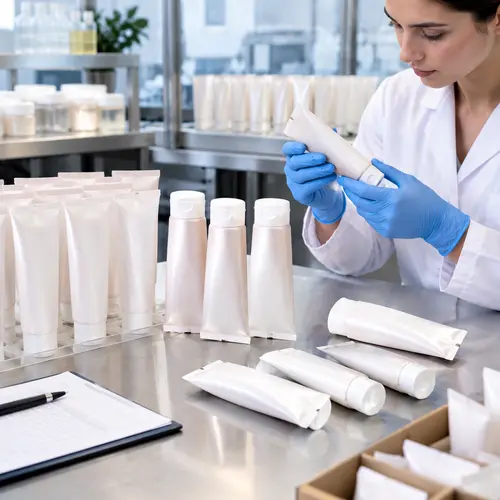
Sample approval should establish more than whether a depilatory cream looks acceptable. The buyer and supplier should sign off on an identifiable control sample, product description, formula code, fill weight, color range, fragrance profile, pH target, texture tolerance, application time, hair-removal performance, and rinse behavior. If exaggerated color or texture is important for social content, review the sample under the actual lighting, camera settings, and application thickness used by the brand. A visually striking prototype still needs realistic production tolerances.
Formula customization should begin with a written brief covering target user, hair type, body area, fragrance restrictions, desired sensory profile, prohibited ingredients, intended claims, and sales markets. Changes to color, perfume, active level, or soothing ingredients can affect odor, texture, irritation risk, and stability. The supplier should explain which requests require another review rather than treating every adjustment as cosmetic.
For confidentiality, distinguish the buyer’s trademarks, artwork, custom brief, and paid development work from the supplier’s pre-existing formula library. Use a signed confidentiality and ownership agreement, limit access to coded project files, and define whether the final formula is exclusive, territory-limited, or available to other customers. This is more useful than relying on verbal assurances that an idea will never be reused.
Packaging compatibility should be checked with production-intent components. Confirm dispensing force, cap engagement, seal integrity, print resistance, package deformation, product contact with seals, and net-content control. Wax formats also require attention to heat exposure during filling and transport. See the related hair-removal product categories and OEM and ODM service scope when defining which pack formats belong in the project.
A depilatory cream stability testing plan should connect each observation to an acceptance limit and decision owner. Reviews normally cover appearance, odor, pH, viscosity or flow, package condition, application performance, and microbial quality. Shelf-life statements should be supported by appropriate evidence rather than copied from a similar product. FDA guidance on expiration dating explains the broader principle that storage conditions, container systems, and test methods must support dating decisions, although the exact legal treatment of a cosmetic or depilatory claim depends on the destination market.
MOQ discussions should separate bulk production minimums from printed component minimums, carton quantities, and color-specific runs. Ask for an itemized BOM quotation, tooling or plate charges, testing charges, overrun policy, and estimated freight assumptions. Required labeling documents may include an ingredient list, finished-product specification, batch record summary, safety data sheet where applicable, certificate of analysis, artwork confirmation, and claim-support files. Shipment planning should define carton strength, pallet configuration, container loading, seasonal route risks, acceptable transit conditions, and what happens if arrival inspection finds leakage or deformation.

Common Problems or Failure Cases
- Wax becomes brittle: The strip or wax mass cracks instead of flexing, often after storage or unsuitable transport exposure. Compare retained samples, review the wax melting range, and check whether the backing material contributed to the failure.
- Strip adhesion declines: Aged strips may lift poorly, leave residue, or fail to grip hair consistently. Confirm adhesive coat consistency, release-liner behavior, pouch sealing, and storage history.
- Cream separates: Free liquid, graininess, or uneven color can indicate an unstable batch or an interaction with the package. Record when the change first appeared and whether remixing temporarily hides it. Do not approve solely because appearance recovers after agitation.
- Cartridges leak: Roll-on wax can migrate around the roller, cap, or body seam. Check filling temperature, headspace, cap fit, component dimensions, and carton contamination after transit simulation.
- Fragrance causes complaints: A popular fragrance request can increase stinging or sensitivity for some users. Review perfume level, allergen labeling requirements, consumer directions, and patch-test wording rather than assuming fragrance is only a marketing choice.
- Packaging deforms: Panels may soften, swell, collapse, or lose print quality after contact with the product or transport heat. The corrective action may require a different component material, fill process, or shipping condition.
Supplier Checklist
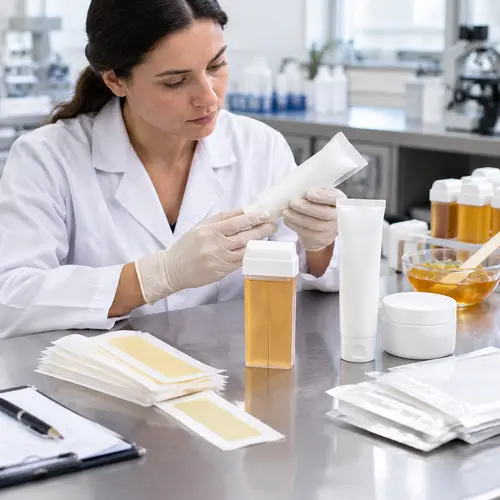
- Request a signed sample specification with measurable texture, color, odor, pH, fill, and performance limits.
- Confirm how formula codes, revisions, retained samples, and batch records are controlled.
- Ask which irritation-risk, microbial, and finished-product checks are completed before release.
- Verify that testing uses the intended cream, wax, strip, cartridge, or aftercare packaging.
- Review component MOQ, finished-goods MOQ, pilot-run options, lead times, and surge-capacity limits.
- Obtain an itemized BOM, development charges, packaging costs, and logistics estimate with stated assumptions.
- Check ingredient, specification, batch, artwork, and labeling documents for each destination market.
- Define acceptable shipment conditions and the process for handling damaged or nonconforming arrivals.
- Confirm confidentiality terms, ownership boundaries, subcontractor access, and exclusivity conditions.
- Assess whether the account manager can translate marketing requests into measurable manufacturing requirements without skipping risk review.
FAQ
Can a Chinese OEM use my idea or formula for another brand?
No contract can remove every commercial risk, but buyers can reduce exposure. Define ownership, exclusivity, permitted use, file access, confidentiality duration, and remedies in writing. Ask whether the base formula existed before your project and identify which custom work you are funding.
How can I know whether the sample will look dramatic enough on camera?
Test it under your planned lighting and filming workflow. Approve a realistic color and texture range rather than one perfect frame. The supplier should translate visual goals such as dense coverage, glossy flow, or clean removal into measurable sample criteria.
Can quality control guarantee that no consumer will have a severe reaction?
No responsible supplier can promise zero reactions. Risk is reduced through ingredient review, controlled production, microbial limits, irritation-risk assessment, clear directions, warnings, traceable batches, and complaint handling. Claims and use instructions should match the tested product and intended body area.
What if I do not understand technical ingredient language?
A capable project contact should convert brand requests into plain-language choices, explain tradeoffs, and document decisions. Ask for side-by-side samples and a short change log showing what was adjusted, why it changed, and which checks must be repeated.
What happens if social content creates a sudden order surge?
Request evidence of monthly line capacity, normal utilization, component lead times, reservation rules, and maximum output for your specific format. Discuss forecast updates, safety stock for long-lead packaging, and whether small replenishment runs are possible without displacing confirmed orders.
Should I use a third-party laboratory?
It can be useful when market entry, claim review, or independent verification requires capabilities beyond the factory’s internal lab. Providers such as Intertek offer cosmetics testing and certification services. Agree in advance on sample identity, methods, acceptance limits, reporting format, and who pays for retesting.
References
- FDA: Expiration Dating and Stability Testing for Human Drug Products — background on supporting storage conditions and dating decisions; applicability must be assessed for the specific market and claims.
- Intertek Cosmetics Services — overview of independent cosmetics testing, assessment, and certification capabilities.