Direct Answer
Depilatory cream stability testing should be discussed during the first product brief, before the formula is locked, packaging is ordered, or launch dates are promised. The initial plan does not need every final specification, but it should define the intended market, target shelf life, package format, storage and shipment conditions, expected texture, fragrance direction, and performance claims. Screening can begin with early samples, while formal evaluation should use production-equivalent cream in the intended retail package.
This timing matters because stability is not a final paperwork step. It can change the formula, tube or bottle selection, filling method, label instructions, and launch schedule. The FDA notes that cosmetic shelf life depends on product type, use, and storage, with temperature, air, light, microorganisms, and emulsion separation among the practical concerns. FDA guidance on cosmetic shelf life supports treating the topic as a product-development decision rather than an afterthought. ([fda.gov](https://www.fda.gov/cosmetics/cosmetics-labeling/shelf-life-and-expiration-dating-cosmetics?utm_source=openai))
Key Takeaways for Private Label Buyers
- Raise stability requirements in the first RFQ, not after approving the sample.
- Test the actual formula in the intended tube, bottle, cap, liner, or pump.
- Separate early accelerated screening from evidence supporting the final shelf-life decision.
- Review texture, odor, color, pH, hair-removal performance, microbial condition, leakage, and package deformation.
- Do not order decorated packaging until compatibility risks are understood.
- Align testing duration with content dates, retailer onboarding, shipment routes, and reorder plans.
Buyer Context
A creator-led brand often begins with a visual promise: a dense cream ribbon, a clean wipe-off reveal, a playful color, or an aftercare pairing that looks compelling on camera. That creative direction is valuable, but the product must deliver the same experience after filling, freight, storage, and repeated consumer use. Stability planning protects the gap between the sample shown in a launch video and the units customers receive months later.
Depilatory cream deserves early attention because its active system, alkaline environment, fragrance, emulsion structure, and packaging interact over time. A cream may look correct in a laboratory jar yet thin inside a tube, develop odor changes during warm storage, become difficult to dispense in cold conditions, or lose consistent contact with hair if viscosity shifts. An irritation-risk review must also consider whether the formula remains within its approved operating limits throughout storage. CIR concludes that relevant thioglycolate materials used in depilatories should be formulated to avoid irritation under recommended conditions of use. ([cir-reports.cir-safety.org](https://cir-reports.cir-safety.org/view-attachment/?id=17a63435-8e74-ec11-8943-0022482f06a6&utm_source=openai))
The same principle applies across the category. Wax strips require aging checks for adhesion, liner release, and residue. Sugar wax requires texture and water-loss review. Roll-on wax cartridges need flow and leakage evaluation. Post-depilation gel or post hair removal serum supplier projects need package dispensing and microbial review. Buyers comparing private label hair removal products should therefore ask how stability planning changes by format, not accept one generic test package for every SKU.
Speed does not remove this requirement. A 7-day sample can confirm sensory direction and social-media appeal, while a pilot run from 1,000 units can validate filling and commercial presentation. Neither event, by itself, proves long-term suitability. A sub-30-day launch model works best when sampling, package sourcing, documentation, and testing run in parallel through a clear hair removal manufacturing process. Fast launch and responsible evidence should be designed together.
Technical and Packaging Factors
Formula Behavior
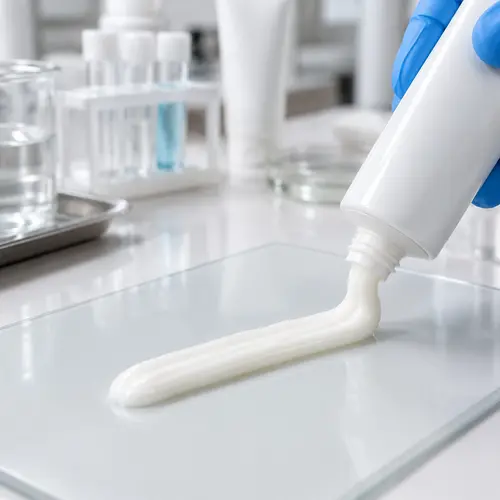
The buyer should define what must remain stable, not simply request a pass or fail result. For a depilatory cream, practical checkpoints include appearance, odor, color, spreadability, pH trend, viscosity trend, phase separation, rinse-off behavior, application time, and hair-removal consistency. The baseline description should be specific enough that a later sample can be compared objectively. Terms such as thick, smooth, or mild are useful for marketing, but they require measurable internal acceptance ranges.
Early screening should compare samples held under cold, room, elevated-temperature, and temperature-change conditions selected for the project. This accelerated work can reveal directionally useful problems, but it should not be presented as an automatic substitute for real-time observation. FDA material for drug products is not a cosmetic rule, yet its core principle remains useful: shelf-life evidence should consider time, environmental exposure, storage conditions, and the proposed container. See the FDA Q1 stability testing draft and FDA guidance on expiration dating and stability testing. ([fda.gov](https://www.fda.gov/media/187161/download))
Package Interaction
The retail package is part of the stability question. A buyer should test the intended tube wall, shoulder, seal, cap, liner, pump, or airless component rather than relying only on an inert sample jar. Confirm whether the cream causes swelling, softening, staining, odor transfer, paneling, seal weakness, or print damage. Place samples upright, inverted, and on their side when those positions reflect storage or shipment. For tubes, check crimp or seal integrity and controlled dispensing. For pumps, review priming, dose consistency, clogging, and product left behind.
Decoration choices can also create late surprises. Metallic finishes, soft-touch coatings, labels, adhesives, and printed lot codes may respond differently to cream residue, humidity, abrasion, or leakage. Package compatibility should therefore be reviewed before paying for a full decorated order. A capable depilatory cream OEM should be able to test production-representative components and explain what changes if the buyer switches suppliers, resin, cap style, or fill volume.
Use and Distribution Conditions
Testing should reflect the product journey. A DTC parcel may sit in a warm fulfillment center, move through cold freight, and arrive in a humid bathroom. Marketplace inventory may remain stored longer than a creator campaign initially expects. Discuss destination countries, seasonal shipping windows, warehouse conditions, carton orientation, and whether the product will travel by air or sea. Beauty trend research from Mintel beauty and personal care insights can help teams understand why fast-moving concepts need disciplined launch decisions, but trend speed should not determine the evidence standard. ([mintel.com](https://www.mintel.com/beauty-and-personal-care))
For sensitive-positioned products, align the stability plan with the irritation review, directions, warnings, and use-time instructions. The phrase sensitive skin should not be treated as a visual claim alone. Ask the supplier how the proposed mild hair removal formula will be checked after heat exposure and aging, and whether any fragrance, botanical, color, or texture adjustment requires renewed screening.

Decision Framework
| Factor | What to Check | Why It Matters | ODM Buyer Note |
|---|---|---|---|
| Project timing | Discuss at brief stage; confirm before formula and package approval | Prevents late changes to launch dates, claims, or components | Include the testing plan in the RFQ and sample scope |
| Formula stability | Texture, color, odor, pH trend, viscosity, separation, rinse-off, and hair performance | A visually strong sample must remain usable and consistent | Request baseline specifications and dated observations |
| Microbial condition | Preservation approach, handling risk, fill hygiene, and monitoring points | Water-containing cream can change during storage or consumer use | Confirm what is included in the quoted test package |
| Packaging compatibility | Tube, cap, liner, seal, pump, decoration, leakage, and deformation | The final package can alter product quality and dispensing | Test the intended commercial components, not only generic samples |
| Storage and shipment | Cold, room, heat, temperature changes, orientation, and transport route | Real distribution conditions may exceed studio or office storage | Share destination markets and fulfillment model early |
| Change control | New fragrance, pigment, active level, package resin, supplier, or fill size | Small changes can create new stability or compatibility risks | Ask when screening must be repeated before approving revisions |
The best next step is a short stability brief attached to the product brief. It should identify the formula version, intended package, target markets, planned launch date, sample quantity, buyer-supplied components, required documents, and decision owners. This can be managed within broader hair removal OEM ODM services or a focused depilatory product development solution. Before placing a pilot order, use a structured hair removal product RFQ to confirm testing scope, fees, sample retention, reporting format, and the effect of future formula or package changes.

ODM Manufacturing Considerations
In an ODM depilatory cream project, stability testing should be connected to every approval decision rather than treated as a final laboratory formality. Start with a written sample confirmation covering the cream appearance, color, fragrance level, application feel, removal time, rinse-off behavior, and acceptable viscosity range. If the product is intended for close-up video, also record how the cream spreads on hair and skin, whether it remains visually uniform, and whether the color changes after contact with air.
Formula customization should be handled through a controlled version system. Each revised sample should have a clear reference number, a short description of the change, and an agreed review point. For example, a buyer may request a thicker cream for a dramatic social media application, a lower fragrance profile for sensitive users, or a different pigment shade for stronger shelf impact. The supplier should explain how each change may affect removal performance, irritation risk, fragrance sensitivity, microbial protection, and storage stability. Avoid approving a visual improvement without checking the complete use experience.
Packaging compatibility deserves the same attention as the cream itself. Ask the supplier to test the selected tube, cap, pump, jar, or sachet with production-intent material. Review seal integrity, dispensing force, dose consistency, internal staining, odor transfer, label adhesion, and deformation after warehouse handling. A package that looks attractive in a sample photograph may still leak, collapse, or become difficult to open after exposure to heat during shipping. The manufacturing process overview should make clear when filling, sealing, inspection, and final packing checks take place.
The stability review should define what will be observed and how results will be recorded. Useful checkpoints include separation, water loss, color drift, fragrance change, viscosity movement, pH movement when relevant, microbial status, package leakage, and dispensing performance. Buyers should request photographs, retained samples, and a written observation summary instead of relying only on a statement that the product is stable. General principles for linking storage observations to dating decisions are discussed in the FDA guidance on expiration dating and stability testing, although a depilatory cream project still requires product-specific review.
MOQ should be discussed together with sample scope. Confirm whether the quoted minimum applies to one fragrance and one package configuration or to the whole project. Ask whether artwork changes, extra color options, multiple tube sizes, and separate batches create additional charges. A transparent BOM should identify formula, filling, components, decoration, testing, cartons, and logistics estimates. This is especially important when a buyer is comparing a private-label cream with a customized ODM formula.
Labeling documents should be requested before mass production. Depending on the destination market, the supplier may need to provide an ingredient list using accepted naming conventions, net contents, directions, warnings, batch coding information, shelf-life or period-after-opening guidance where applicable, and package artwork specifications. The buyer remains responsible for confirming market requirements, but the factory should be able to explain which documents it can prepare and which items require buyer or local consultant review.
Shipment conditions should be agreed in writing. Confirm carton strength, palletization, product orientation, protection from prolonged heat, and the maximum expected transit duration. For creams and wax products, ask whether a shipment sample will be retained and whether the supplier has a process for reviewing leakage, deformation, or texture change after transport. A defined shipment review reduces the risk of approving a formula that performs well at the factory but arrives with damaged packaging or inconsistent texture.
For buyers comparing suppliers, relevant depilatory cream product options and the supplier’s OEM/ODM service scope should be evaluated together. The strongest partner is not necessarily the one offering the most customization; it is the one that can connect sample confirmation, packaging selection, testing records, documents, and production planning in one understandable workflow.

Common Problems or Failure Cases
Wax brittleness often appears when a hard wax formula loses the right balance between flexibility and set strength. A brittle wax may crack during application or break while being removed, creating a poor salon experience. Ask for a defined melting behavior, workable application range, and retained samples from the approved batch. The supplier should also explain whether pigment, fragrance, or seasonal raw material variation can change the wax texture.
Wax strip adhesion can decline because of coating weight variation, excessive moisture exposure, aged adhesive, or unsuitable release paper. Check whether strips still separate cleanly, grip hair consistently, and leave excessive residue after storage. Packaging should protect the coated surface from humidity and compression. A buyer should approve both the strip performance and the final pouch or carton, not just the wax coating in isolation.
Depilatory cream separation may present as oil droplets, watery edges, uneven color, graininess, or a cream layer that changes after standing. It can be caused by formula changes, temperature stress, poor mixing control, or interaction with the package interior. Request visual comparisons at each review stage and ask the supplier to investigate whether the change is cosmetic only or connected to removal performance and irritation risk.
Roll-on wax cartridges can leak through the roller head, cap, seam, or closure when the package is stored on its side or exposed to heat. Verify cap fit, roller movement, fill level, and carton orientation. A practical check includes repeated dispensing after storage and inspection of the outer carton for oil marks. Do not accept a leakage issue as normal if the product is intended for online fulfillment or salon distribution.
Fragrance sensitivity is another frequent source of complaints. A scent that seems pleasant during sampling may feel too strong when the cream is applied over a larger area. Ask for fragrance concentration information, an unscented or lower-scent option where feasible, and clear warning language. A lower fragrance level should still be checked for masking odor, user acceptance, and formula stability.
Packaging deformation can affect tubes, caps, sachets, and wax cartons. Softening, panel collapse, ink transfer, or seal distortion may occur during transport or storage. Test the decorated package with the actual filled product, because an empty component does not show the same stresses. Iron oxide pigments used in colored formulas or packaging should also be reviewed against the CIR safety profile of iron oxide pigments when relevant to the product design and market documentation.
Supplier Checklist
- Can the supplier provide a written sample specification covering texture, color, fragrance, removal performance, and acceptable viscosity?
- Does each formula revision receive a traceable sample number and change description?
- Will stability observations include cream appearance, separation, odor, microbial status, viscosity, and package condition?
- Can the supplier test the filled product in the intended retail package rather than using a substitute container?
- Are tube seals, caps, pumps, roller heads, and sachets checked for leakage and dispensing consistency?
- Can the factory explain irritation-risk review, fragrance sensitivity controls, and user warning information?
- Does the MOQ cover one formula and package combination, or are multiple versions included?
- Are BOM costs, testing charges, artwork costs, cartons, and shipment estimates shown separately?
- Can the supplier provide ingredient, label, batch coding, and product information documents for the target market?
- Are warehouse, transit, orientation, and damage-review expectations written into the project plan?
- Can the technical contact understand marketing requirements such as camera-visible texture, color impact, and launch timing?
- Is there a capacity plan for repeat orders if a live campaign or creator video causes demand to rise quickly?
FAQ
Will the factory take my concept or formula and sell it to another brand?
Reduce this risk through a written confidentiality and ownership agreement before detailed disclosure. Define who owns the custom formula, artwork, sample records, and improvements. Ask whether the factory uses an exclusive formula, a semi-custom base, or a shared stock formula. A clear sample number and documented approval history also help distinguish your project from a standard private-label item.
Can the cream have the exaggerated visual texture and color I need for video?
Often, yes, but visual impact must be balanced with spreadability, removal performance, fragrance tolerance, and stability. Request camera-facing samples under the same lighting used for content. Review whether the color stays uniform, whether the texture collapses during application, and whether the finished cream still looks consistent after storage in its retail package.
How can I know the product will not cause serious customer complaints?
No supplier can promise zero complaints, but a disciplined review can reduce preventable risk. Ask for raw material specifications, batch records, microbial results where appropriate, irritation-risk assessment, retained samples, and documented release checks. Confirm that directions, contact-time limits, patch-test advice where required, and warnings are suitable for the destination market.
I do not understand ingredients. Can the supplier understand my social media requirements?
Use a supplier that translates marketing language into measurable product requirements. For example, dramatic can become a specified color contrast, high-visibility texture, spread pattern, or camera test. Ask for one technical contact who can explain tradeoffs in plain English and summarize every change in writing.
What happens if a video suddenly creates a large order?
Discuss capacity before launch, including available filling lines, component lead times, formula reservation, and priority rules during peak demand. Ask whether the factory can support a repeat run without changing the approved formula, package, or texture. A realistic production forecast is more useful than an informal promise of unlimited capacity.
Is a stability review still necessary if the product will sell quickly?
Yes. Fast sales do not prevent separation, leakage, fragrance complaints, or package deformation during storage and transit. The review helps establish what the buyer can reasonably expect across the intended duration and distribution route, while also supporting better batch release and customer-service decisions.
References
- FDA: Expiration Dating and Stability Testing for Human Drug Products
- CIR safety profile of iron oxide pigments