Direct Answer
The right wax packaging for private label must remain sealed, dimensionally stable, and easy to handle across filling, storage, shipment, reheating, and repeated consumer use. Selection cannot be based on appearance alone. The wax formula, fill temperature, package material, closure, liner, applicator, label, and shipping carton must be evaluated as one system.
For hot wax or sugar wax, confirm that the jar or cartridge tolerates the defined filling and warming conditions without paneling, softening, odor transfer, or leakage. For wax strips, check pouch barrier performance and adhesion after heat aging. For roll-on wax, test the roller fit, cap seal, and flow rate at both cool and warm temperatures. A credible ODM should provide compatibility samples, a written test plan, packaging specifications, and batch-level control records before mass production. The practical goal is simple: the product received by buyers should look, flow, seal, and perform like the approved sample.
Key Takeaways for Private Label Buyers
- Approve a complete pack. Test the production formula inside the intended jar, pouch, tube, or cartridge, including the closure, liner, label, and secondary carton.
- Define the thermal journey. Record filling temperature, warehouse limits, transit exposure, consumer warming method, and acceptable cooling behavior.
- Test leakage in multiple orientations. Upright storage alone will not reveal capillary leaks, seal weakness, or wax migration around a roller assembly.
- Review texture after aging. Look for oil separation, crystallization, brittleness, excessive stringing, poor spread, and changes in strip adhesion.
- Request traceable samples. Pilot samples should identify the formula version, packaging lot, fill weight, date, and test conditions.
- Lock specifications before launch. Approved component drawings, tolerances, artwork, label documents, and shipment conditions should be reflected in the final BOM.
Buyer Context
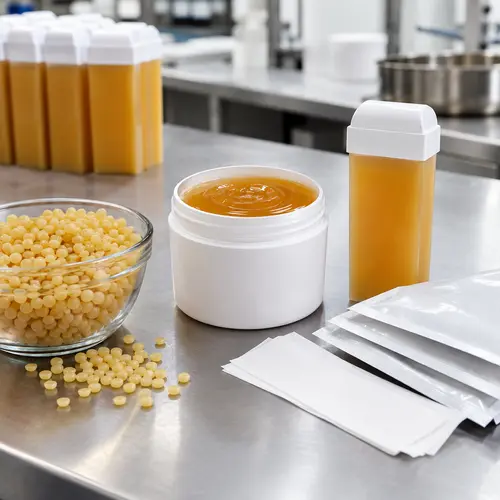
Hair-removal packaging has a direct effect on product performance. A visually strong jar can still fail if hot fill distorts its neck or if oil from the wax weakens the liner. A roll-on cartridge can photograph well yet leak during air freight. A wax-strip pouch can remain intact while the strips inside lose clean separation after several warm weeks.
This matters especially for creator-led launches. The product must survive close-up filming, fulfillment, and real consumer handling without a visible gap between the approved sample and the shipped unit. When evaluating custom wax strips and hot wax, buyers should ask to see the actual formula dispensed, spread, removed, reheated, and packed in production-intent components. Texture and packaging are part of the same content experience.
The risk profile also differs by format. Hard wax beads need moisture control and a pouch seal that resists handling damage. Soft wax in a jar needs reliable closure torque and compatibility with oils, resins, fragrance, and color. Sugar wax may change flow under heat or cold. Roll-on wax depends on tight dimensional control around the roller housing. Depilatory cream requires a separate compatibility review because its formula and dispensing behavior differ from wax; buyers can compare the approach used for custom depilatory cream formulation.
Aftercare can create another decision point. If a kit includes wax plus a soothing gel or lotion, each primary pack needs its own stability and leakage assessment. The complete kit should then receive a distribution review. See how after wax care products can be scoped alongside the removal format rather than added late in development.
Technical and Packaging Factors
Heat and Material Compatibility
Start with the formula’s measured filling temperature and intended consumer-use temperature. Ask the ODM to document the package resin, wall thickness, neck finish, liner, closure material, and supplier tolerances. A test at 40°C or 45°C may be useful as an accelerated screen, but it is not a universal pass condition. The supplier should justify the duration and acceptance criteria against the product’s expected route, season, and storage life.
Observe more than obvious deformation. Heat can change closure torque, cause label lift, create fragrance loss, accelerate wax seepage, or alter roller flow. Cold storage, such as 5°C screening, can expose brittleness, cracking, crystallization, or poor restart after warming. Freeze-thaw work should only be included when the expected shipping conditions make it relevant.
Leakage and Closure Performance
Leakage testing should include upright, inverted, and side orientations using filled production-intent units. Check the neck, thread, liner contact area, roller insert, pouch seal, and any heat-sealed membrane. Record starting and ending unit weight where small losses may not be visually obvious. For roll-ons, evaluate both static leakage and dispensing after warm storage; a cartridge that stays closed may still flood the roller during first use.
Transport adds vibration, impact, and pressure changes. The ODM should assess filled units in their final carton configuration, not only as loose samples. This review belongs within the broader cosmetic filling and packaging process and should be linked to inspection criteria for the production batch.

Texture, Dispensing, and User Handling
Compatibility is also functional. Hard wax should release cleanly from its container and melt consistently. Soft wax should spread at the stated working temperature without uncontrolled dripping or excessive stringing. Sugar wax should remain scoopable or dispensable according to its use instructions. Wax strips should separate without tearing, adhesive transfer, or uneven coating.
Ask the factory to define measurable acceptance points where practical: fill weight tolerance, seal integrity, closure torque range, roller output, coating weight, and visual limits for separation or crystallization. Exact limits should come from the selected formula and component system, not a generic template. The custom hair removal product development scope should identify who owns each specification and when it becomes locked.
Storage, Labeling, and Shipment
Storage statements must align with observed performance. Avoid vague wording if the product has known heat sensitivity. Labels should remain legible and adhered after handling, warming, and contact with small amounts of wax or oil. Review required identity, net quantity, ingredient, warning, business, and usage information against the FDA Cosmetics Labeling Guide. US-bound projects should also account for applicable duties under MoCRA of 2022.
Shipping plans should state carton quantity, dividers, bagging, orientation, pallet pattern, and any seasonal controls. These choices affect cost, but late packaging failures usually cost more than an initial compatibility program. Broader category signals from Mintel beauty and personal care reports can inform format positioning, while package approval must remain specific to the chosen formula and route.
Decision Framework
| Factor | What to Check | Why It Matters | ODM Buyer Note |
|---|---|---|---|
| Formula behavior | Melting or softening profile, viscosity, separation, crystallization, fragrance and color stability | Controls filling, warming, spread, removal, and camera appearance | Approve the same formula version intended for production |
| Primary package | Material, dimensions, liner, closure, roller fit, seal width, and fill compatibility | Prevents distortion, migration, leakage, and dispensing failure | Request component specifications and production-intent samples |
| Temperature exposure | Warm, cool, and recovery conditions based on the shipping route | Reveals failures that room-temperature review can miss | Agree on conditions and pass criteria before testing begins |
| User handling | Opening, gripping, reheating, dispensing, reclosing, and residue cleanup | Affects safety, repeat use, reviews, and returns | Test with realistic instructions and fill levels |
| Distribution pack | Carton fit, dividers, orientation, vibration, drops, and pressure exposure | Protects the finished unit through fulfillment | Review the intended sales unit and master carton together |
| Launch evidence | Sample code, test record, approved artwork, BOM, and defect limits | Keeps mass production aligned with approval | Use the hair removal product RFQ to request sample and packaging scope |
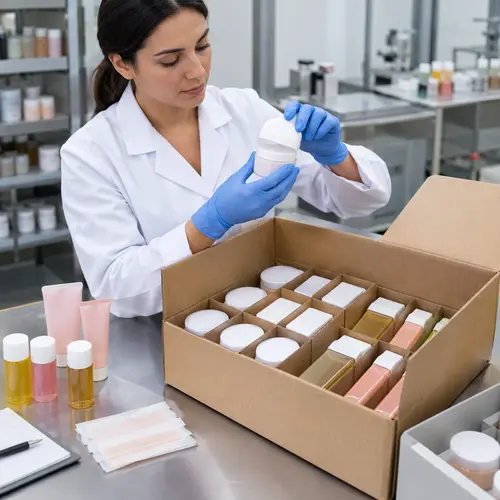
For a focused start, compare available waxing product solutions, map the required checks through the hair removal manufacturing process, and request a small set of camera-ready, production-intent samples. A 7-day sample target or an initial 1,000-unit run can be commercially useful, but only when component availability, testing scope, and approval gates are stated clearly. Speed should come from parallel work and prequalified options, not from skipping compatibility evidence.
ODM Manufacturing Considerations
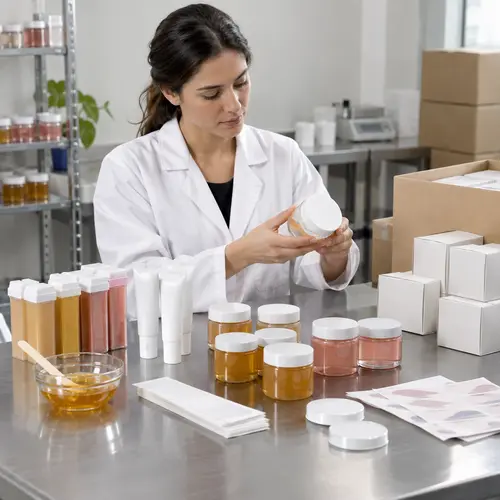
For wax packaging for private label, sample approval should cover the filled product and its commercial pack, not just a loose formula sample. Ask the supplier to document the approved color, fragrance, texture, application behavior, net content, container, closure, label material, and secondary packaging. Review samples under ordinary salon or home-use conditions, including repeated opening, dispensing, wiping, and reclosing. Keep one signed or otherwise traceable approval sample as the reference for later batch comparison.
Customization can affect both performance and packaging. Changes to fragrance, pigments, wax blend, viscosity, or aftercare ingredients may alter flow, setting behavior, residue, or container interaction. Give the development team measurable requirements and a content brief: desired texture on camera, application method, target user, climate, pack size, and acceptable scent intensity. A visual reference is useful, but it should be translated into an approval sheet with tolerances that production staff can follow.
Packaging compatibility should be reviewed with production-intent components. Confirm that the container, cap, liner, seal, applicator, pouch, or cartridge remains functional after storage and handling. Stability review should include appearance, odor, texture, fill uniformity, separation, brittleness, dispensing, and pack condition at planned checkpoints. Buyers should also request an irritation-risk review for fragranced or skin-contact products, together with the available ingredient and safety documentation. No quality system can promise zero adverse reactions, so clear use directions, warnings, lot identification, and complaint handling remain necessary.
MOQ discussions should separate formula MOQ, packaging MOQ, printed component MOQ, and finished-unit MOQ. A small initial order may still require excess labels, caps, or custom-colored containers. Request an itemized BOM showing unit cost, setup or printing charges, testing charges, tooling if applicable, overage assumptions, and estimated freight. This makes the investment easier to evaluate and exposes costs that may otherwise appear after sample confirmation.
Before artwork approval, obtain the ingredient list, net-content format, warning text, responsible-party details, country-of-origin information where applicable, and space requirements for lot coding. The FDA Cosmetics Labeling Guide provides useful direction for products marketed in the United States. Final requirements depend on the destination market and the claims used on the label or product page.
Shipment planning should define carton quantity, pallet configuration when used, storage instructions, transport mode, seasonal exposure, and the party responsible for freight documents. Confirm how the supplier protects seals, pumps, pouches, and roll-on components during transit. Buyers can compare related formats through the hair-removal product categories and align approval steps with the supplier’s manufacturing process.
Common Problems or Failure Cases
Wax becomes brittle or unusually soft: The wax blend, storage environment, or thermal history may have shifted application behavior. Compare the affected batch with the approved reference for break pattern, pickup, spread, residue, and removal performance. Confirm warehouse and freight conditions before assuming the formula alone caused the issue.
Wax strips lose adhesion: Heat exposure, aging, pouch sealing, or contamination can reduce grip. Check whether the strip separates cleanly from its liner, transfers evenly to hair, and remains usable through the stated shelf period. Inspection should include unopened pouches from multiple cartons rather than a single handpicked unit.
Depilatory cream separates or dispenses unevenly: Separation, watery discharge, odor change, or blocked dispensing may indicate instability or a pack interaction. Stop distribution of questionable units, retain samples, record lot details, and ask the supplier for a documented investigation before approving replacement stock.
Roll-on cartridges leak: Leakage can originate from component variation, filling temperature, damaged rollers, poor fit, or pressure changes during transport. Review filled weight, head fit, cap security, carton orientation, and units taken from different positions in the shipper case.
Fragrance causes complaints: A scent that performs well in a sample may feel stronger during warm application or on larger skin areas. Confirm fragrance level during sampling, review the ingredient declaration, and use clear directions and warnings. Complaint records should distinguish scent preference from redness, burning, or other reported reactions.
Packaging deforms or labels lift: Deformation, paneling, smearing, adhesive failure, or unreadable coding can result from incompatible materials or shipment exposure. Evaluate decorated production-intent packs early enough to change the component or print specification without delaying launch.

Supplier Checklist
- Confirm experience with the specific hair-removal format and intended application method.
- Request a written sample brief covering texture, color, fragrance, viscosity or melting behavior where relevant, fill weight, and packaging components.
- Ask how approved samples are retained and compared with each production batch.
- Review ingredient, safety, irritation-risk, stability, packaging, and lot-traceability records available for the product.
- Test commercial-format samples for dispensing, reclosing, leakage, deformation, label adhesion, and repeated user handling.
- Separate formula, component, decoration, and finished-unit MOQs in the quotation.
- Request a transparent BOM, development charges, testing costs, freight assumptions, and payment milestones.
- Verify artwork review responsibilities and the labeling documents supplied for each destination market.
- Confirm batch capacity, normal lead-time range, peak-season constraints, and the process for reserving production space after a campaign performs well.
- Define carton packing, storage limits, shipment orientation, lot coding, inspection criteria, and handling of nonconforming units.
- Use a mutual confidentiality agreement and written ownership terms for custom formulas, artwork, molds, and marketing concepts.
FAQ
How can I reduce the risk of a factory copying my idea or formula?
Use a mutual confidentiality agreement before sharing detailed concepts, then state ownership, permitted use, subcontracting limits, sample retention, and post-project obligations in the manufacturing contract. Limit disclosure to information needed at each development stage. Ask whether the base formula is exclusive, semi-custom, or shared, because exclusivity usually changes cost, MOQ, and development time.
How do I know whether the sample will look dramatic enough on camera?
Provide reference footage, lighting conditions, application thickness, skin or surface context, and the exact visual outcome required. Evaluate multiple production-intent samples on the same camera setup. Approve measurable attributes such as color range, opacity, stringiness, spread, break, and residue instead of relying only on terms such as bold or glossy.
Can quality control guarantee that nobody will experience irritation?
No. Testing and production control can reduce foreseeable risk, but individual sensitivity, misuse, and prior skin condition cannot be eliminated. Review ingredients and fragrance, approve directions and warnings, require batch records and traceability, and establish an escalation process for burning, persistent redness, or other complaints.
What should I send if I do not understand technical ingredient terminology?
Send the supplier a user and marketing brief describing the application, texture, removal behavior, scent, target market, claims, packaging format, and video schedule. A capable project contact should convert those goals into sample specifications and explain tradeoffs in plain English. Record every approved change in one controlled brief.
What happens if a social media post creates a sudden order spike?
Ask for documented monthly capacity, material lead times, peak-season limits, reorder MOQ, and options for reserving components or production space. Forecast scenarios should include normal demand and a higher-volume case. Holding approved packaging or selected materials may shorten replenishment, but it increases inventory exposure and should be costed explicitly.
When should final artwork and shipping plans be approved?
Approve them after the formula and production-intent pack are confirmed, but before printed components enter volume production. Use the OEM and ODM service process to identify decision gates, then submit final quantities, destination, transport mode, carton requirements, and required documents through the project inquiry page.