Direct Answer
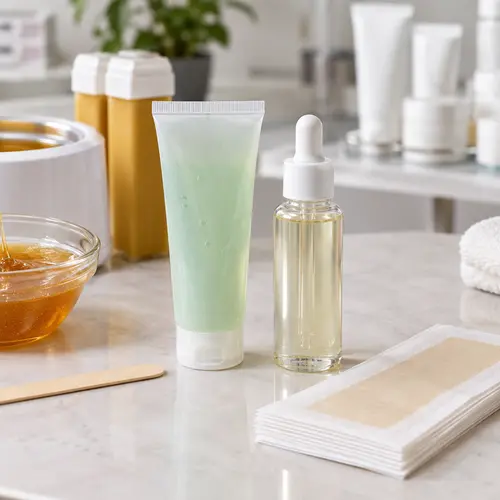
Hair inhibitor serum vs post depilatory care is not a choice between two interchangeable SKUs. Post-depilation care is the immediate recovery product used after wax, strips, sugar wax, roll-on wax, or depilatory cream; its job is comfort, low residue, and a clean handoff after removal. A hair inhibitor serum is a later-use cosmetic treatment positioned around the appearance of slower or softer regrowth, and it needs more careful claims review and repeat-use instructions. For most private-label launches, the sensible companion strategy is to make aftercare the core add-on and introduce the serum as a premium regimen extension once formula compatibility, irritation risk, packaging, and evidence are clear. The sequence matters: remove hair, settle the skin, then use the serum only as directed. A well-built system can support repeat purchase and average basket value without asking one formulation to solve two different jobs.
Key Takeaways for Private Label Buyers
- Define the use moment first: immediate soothing after removal and longer-term regrowth positioning require separate briefs, directions, and claims.
- Test the complete routine on the actual removal base, including depilatory cream residue, wax oils, strip adhesive, and freshly treated face or body skin.
- Match viscosity, spread, fragrance, closure, and dispensing format to the formula; a pleasant lab texture can fail in a tube, pump, or roll-on pack.
- Request filled, production-representative samples plus stability, compatibility, irritation-review, INCI, label, and shipment documentation before approving launch artwork.
- Confirm sample scope, pilot MOQ, and scaling rules; launch aftercare as the broad-use companion, then add serum when repeat-use behavior and claim support justify extra complexity.
Buyer Context
Hair removal is a system, not a single item. Wax strips can leave adhesive and pull-related sensitivity; hot and sugar wax add heat, drag, and residue; roll-on cartridges add flow and leakage variables; depilatory cream brings alkaline exposure and its own odor profile. Aftercare therefore has to be judged after the exact method, area, rinse or wipe instruction, and use timing. The hair removal product solutions hub and hair removal product guides provide useful category context.
For a DTC brand, aftercare solves immediate visible discomfort and can be bundled with the first removal purchase. A serum supports a longer routine and repeat purchase, but claims should remain cosmetic, evidence-led, and clear that the product is not permanent growth control or a substitute for removal. Positioning can be checked against Business of Fashion beauty intelligence. For US labeling and claims, review FDA Cosmetics & U.S. Law; Canadian ingredient screening should include Health Canada’s cosmetic ingredient hotlist; export routes may require review of SASO conformity assessment standards.
Before launch artwork, assign MoCRA and CPNP documentation responsibilities and keep notification work separate from formula, safety, and label review. A post-depilation care OEM brief can define the soothing gel or lotion; a hair inhibitor serum OEM brief should separately specify use timing, target area, texture, fragrance policy, and support for regrowth language. Sensitive skin hair removal products need an independent irritation review.
Technical or Packaging Factors
Formula and Skin-Contact Sequence
Begin with the skin-contact sequence, not the ingredient story. For aftercare, review cooling feel, spread, absorption time, tack, residue, fragrance load, and compatibility with any post-wax cleansing step. For depilatory cream, confirm the aftercare does not amplify residual odor or discomfort after removal. For wax and sugar systems, check whether an oil-rich product interferes with the next application or transfers onto clothing.
The serum needs a different brief. Texture must support repeat use without pilling, excessive slip, or staining. Define whether it is intended for legs, underarms, bikini area, or face; a formula that feels acceptable on legs may not suit every area. Screen it on freshly depilated skin and after the recommended waiting period. Review preservative performance, fragrance allergens, botanical variability, and wording for hair growth or regrowth claims. A custom active story is useful only when formulation, directions, and substantiation point to the same cosmetic benefit. The depilatory cream OEM team should also record target cream viscosity and residual-odor profile when the serum is paired with it.
Packaging, Storage, and Shipment
Compatibility is a filled-pack question. Check color, odor, viscosity, separation, seal integrity, and label adhesion after contact with the tube, pump, bottle, cap liner, or gasket. For aftercare and serum, verify pump priming, dose consistency, closure integrity, and leakage after orientation and vibration. For roll-on wax, include cartridge leakage and wiper review; for wax strips, include adhesive aging and release-liner performance. Hot and sugar wax need documented melting or softening behavior and cold-flow checks. The wax strips OEM resource and hair removal manufacturing process page show the type of pack-and-process review buyers should request.
Write storage and shipment conditions into the brief: heat and cold exposure, freeze-thaw where relevant, orientation, and summer or winter transit simulation. Do not rely on bulk stability alone; a filled pack can leak or dispense inconsistently while the formula remains stable. Request the sample scope in writing: laboratory formula, filled sample, packaging-equivalent sample, and pilot lot. Also assign INCI, lot coding, net contents, directions, warnings, PAO, claims support, stability summary, MoCRA, and CPNP responsibilities. A hair removal OEM ODM services review should connect formulation, filling, QC, and artwork checks.
ODM Manufacturing Considerations
Separate what can be customized from what must remain controlled. A brand may change fragrance, finish, pack size, applicator, or botanical story, but every change should trigger a documented review of viscosity, preservation, compatibility, stability, and claims. Ask whether the sample and pilot use the same raw-material grade, filling method, pack material, and QC release criteria. A hair removal formulation service should show those handoffs. A hair removal OEM manufacturer with clear production records can protect the launch when a fast social test becomes a larger run.

Decision Framework Table
| Factor | What to Check | Why It Matters | ODM Buyer Note |
|---|---|---|---|
| Product role | Immediate aftercare versus later serum timing, target area, and removal method. | Keeps claims, directions, and routine expectations clear. | Make aftercare the core companion; gate serum on claim and irritation review. |
| Formula performance | Tack, absorption, cream viscosity, wax flow, odor, and skin feel after removal. | Connects consumer experience to the actual removal base. | Compare filled samples, not only laboratory bulk. |
| Packaging | Pump, tube, cartridge, liner, seal, dispensing, leakage, and adhesive performance. | Prevents failures during use, storage, and shipment. | Approve the production-equivalent pack before artwork lock. |
| Stability and transport | Heat, cold, freeze-thaw where relevant, orientation, vibration, and filled-pack review. | Exposes separation, leakage, seal, and dosage risks. | Record shipment conditions and change-control requirements. |
| Launch documentation | Sample scope, pilot MOQ, INCI, warnings, claims support, MoCRA, and CPNP responsibilities. | Reduces compliance ambiguity and launch delays. | Assign owners before formula or label approval. |
ODM Manufacturing Considerations
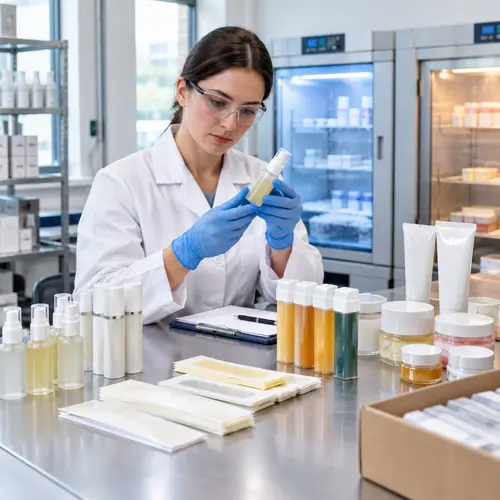
Approve a companion SKU as a paired routine, not as two isolated samples. Confirm the hair inhibitor serum and post-depilation care product against the intended removal method, skin-contact order, body area, and use frequency. The brief should define texture, absorption, residue, fragrance level, restricted ingredients, pack size, claims, and destination markets. Log revisions, retain an approved reference sample, and assess each formula in its intended container and label configuration. Compare the chosen format with the relevant hair-removal product categories before finalizing the range.
Customization is useful when it creates measurable acceptance criteria. Define whether the serum should dry quickly or leave a conditioned finish, whether aftercare should be fragrance-free, and how much slip is acceptable after wax, strips, or cream removal. For wax, set a working temperature and spread window; for cream, set a defined flow or viscosity range and coverage time. Add an irritation-risk review for freshly depilated skin, with fragrance allergens and restricted ingredients documented before sample approval.
Packaging compatibility should use filled units. Check formula contact with the bottle, tube, jar, cartridge, liner, and label adhesive, then inspect for swelling, discoloration, odor transfer, paneling, difficult dispensing, or leakage. For a roll-on wax cartridge, include the seal, carton orientation, and exterior residue limits in the specification. The proposed ODM development process should show which packaging components are included in each sample round.
Stability review should cover ambient holding plus defined hot and cold conditions. Record appearance, odor, phase, color, and flow at each interval, and separate storage data from shipment conditions. Confirm route temperature, transit duration, carton orientation, and receiving inspection criteria. Do not assign a shelf-life statement from one bench sample; connect the final claim to evidence from the approved formula and final pack.
Ask for MOQ by formula, scent, pack, and artwork version. Separate development samples, pilot quantity, and the first commercial run, then identify setup fees, testing charges, component minimums, and unused inventory. A lower initial quantity may support market validation, but landed cost, freight, sampling loss, and expected CAC must be modeled together.
Before release, request ingredient nomenclature, product specifications, batch-coding rules, safety and quality summaries, claim-support files, artwork requirements, and market-specific notification or registration documents. For Canada, review Health Canada’s cosmetic ingredient hotlist. For U.S. wording, compare cosmetic claims with FDA Cosmetics & U.S. Law. For Saudi or nearby markets, ask how SASO conformity assessment standards affect importer documents. The manufacturing process and shipment specification should use the same approved product and packaging assumptions.
Common Problems or Failure Cases
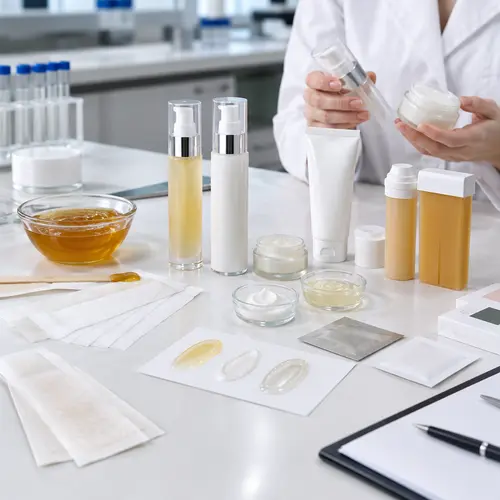
Most failures appear when a product is approved at room temperature but not assessed across the conditions encountered during removal, storage, or transport.
- Wax brittleness: Wax can crack or drag when its working window is too narrow or the pack cools unevenly. Compare application on the intended strip or area and record an acceptable spread profile.
- Strip adhesion loss: Heat, humidity, coating variation, or liner contamination can reduce hair pickup even when the strip looks normal. Compare retained packs and investigate the complete material lot.
- Cream separation: Phase split, graininess, or a sudden flow change may indicate formula-pack interaction or temperature stress. Compare the formula in the proposed container before release.
- Cartridge leakage: A roll-on wax cartridge may leak after seal compression, hot transit, or incorrect orientation. Define an allowable exterior residue limit and inspect the cartridge and shipper together.
- Fragrance sensitivity: A fragrance that seems mild on intact skin may be poorly tolerated immediately after removal. Keep a fragrance-free benchmark and document allergens, odor strength, and the irritation-risk rationale.
- Packaging deformation: Tubes, jars, labels, and cartons can warp, lift, or lose readability in heat. Approve the final material combination under the expected storage range rather than from empty components.
Supplier Checklist
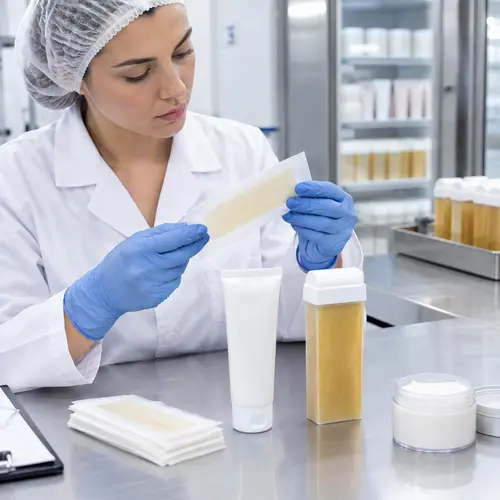
Use these questions during supplier qualification and sample review:
- Does the brief define the removal method, skin-contact sequence, texture, fragrance, claims, and target market?
- Are sample quantities, revision history, retained samples, and acceptance criteria documented?
- Can the supplier demonstrate filled-pack compatibility, leakage limits, and hot or cold shipment conditions?
- Are MOQ and cost assumptions separated by formula, scent, pack, artwork, pilot quantity, and first commercial run?
- Are ingredient nomenclature, batch coding, safety summaries, claim support, and market notification files available?
- Is there a written restricted-ingredient and animal-testing policy supported by supplier declarations and audit evidence?
- Can an NDA and clear formula, artwork, and brand-ownership terms be signed before confidential disclosure?
- Are ISO 22716, GMPC, or BSCI certificates current, properly scoped, and independently verifiable?
FAQ
How can I verify that an Asian supplier meets clean beauty and cruelty-free requirements?
Geography does not establish compliance. Define clean beauty as a written restricted-ingredient and claims policy, then request ingredient declarations, animal-testing policy statements, supplier records, batch traceability, and relevant audit evidence. Treat cruelty-free language as a claim requiring documentation, not as an assumption based on a logo or location.
Can a low MOQ still support viable unit economics?
It can, but the unit cost may rise because setup, testing, component minimums, and artwork expenses are spread across fewer units. Request a tiered landed-cost model covering samples, pilot quantity, packaging, freight, rejects, and expected CAC. A restrained pack architecture and limited variants may provide a more reliable launch test.
Will a turnkey or existing base formula make my companion SKU indistinguishable from competitors?
It can if the brief only requests a generic serum or aftercare cream. Use the base as a starting point, then specify sensory targets, fragrance level, residue, intended removal method, packaging experience, and permitted claims. Ask for documented revisions, ownership terms, and any market or competitor restrictions before approving the formula.
What should be included in the sample approval package?
Approve the formula, filled container, label material, carton, product specification, acceptance limits, and intended use instructions together. Record the sample code, revision date, pack size, fragrance version, and shipment conditions so later production can be compared with one controlled reference.
Which documents should be ready before launch?
Request ingredient nomenclature, product specifications, batch-coding rules, safety and quality summaries, claims support, artwork requirements, and destination-market notification or registration materials. Have a qualified regulatory reviewer assess wording that implies permanent removal, hair-growth effects, or treatment outcomes.
How should shipment conditions be agreed?
Document the expected temperature range, transit duration, carton orientation, handling limits, receiving inspection, and reject criteria before release. Evaluate representative filled packs after the agreed conditions and require an investigation record if leakage, separation, deformation, or texture change occurs.
References
- Health Canada’s cosmetic ingredient hotlist – Canadian cosmetic ingredient and compliance information.
- SASO conformity assessment standards – Saudi conformity assessment and market-access reference.
- FDA Cosmetics & U.S. Law – U.S. cosmetic law and regulatory framework.