Direct Answer
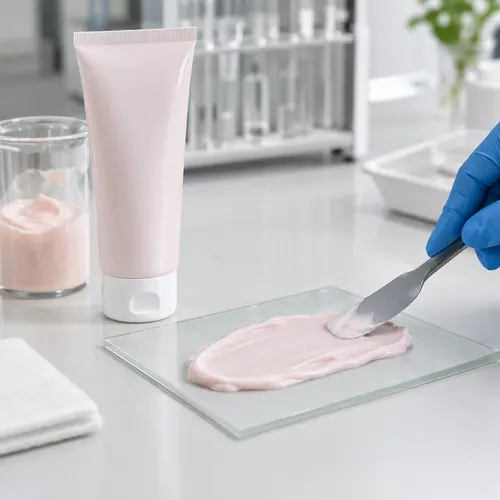
Sample approval is not production approval. Effective depilatory cream stability testing must confirm that the approved formula, chosen package, storage conditions, and first production batch behave as one system. Before release, buyers should verify appearance, odor, pH, viscosity, hair-removal performance, application duration, fill weight, seal integrity, and package compatibility against written acceptance limits.
The practical sequence is simple: approve a documented sample, lock the formula and package specifications, place filled units into defined heat, cold, ambient, and cycling conditions, then compare production retains with the approved reference. Any change in raw-material source, fragrance, tube lining, cap, or filling method requires a documented impact review.
A fast launch can use an 8–12-week accelerated screening program alongside ongoing ambient monitoring. It should not replace continued observation. Production release depends on passing agreed checkpoints—not on the sample looking good once.
Key Takeaways for Private Label Buyers
- Lock the reference. Keep signed sample records, photographs, pH, viscosity, odor, color, application duration, and removal results.
- Test the final package. Bulk cream in a lab jar cannot reveal tube swelling, seal weakness, paneling, leakage, or decoration damage.
- Set limits before testing. Terms such as stable, smooth, or mild are not measurable release criteria.
- Review irritation risk separately. Stability supports consistency but does not prove universal skin tolerance or justify unsupported claims.
- Protect sample-to-scale continuity. The formula, ingredient sources, process order, filling conditions, and package should remain controlled from pilot batch to commercial output.
- Release by evidence. Shipment dates should follow documented checkpoints rather than content calendars alone.
Buyer Context
Hair-removal products have narrow performance margins. A depilatory cream must spread evenly, remain in place, work within its labeled duration, and rinse away without unacceptable residue. Small shifts in pH, viscosity, odor, or water loss can change the user experience. That creates a direct brand risk for creator-led launches, where thousands of customers may test the same product within days of a viral post.
Packaging is part of that risk. A formula approved in a temporary sample jar may behave differently in a laminated tube, pump, sachet, or travel-size pack. Buyers developing a private label depilatory cream should therefore approve the filled commercial pack—not only the bulk formula. The same principle applies to sugar wax crystallization, roll-on wax cartridge leakage, wax strip adhesion aging, and separation in post-depilation care OEM products.
A seven-day sample can support texture, scent, visual, and initial performance decisions. It cannot establish the complete shelf-life description. The supplier should show what is already supported by existing stability matrices, what remains product-specific, and which tests continue after launch. Buyers should map these gates to the full hair removal manufacturing process, including filling, coding, packing, retain storage, and shipment approval.
For brands planning a 1,000-unit pilot with growth potential, the key question is not simply whether the factory can make a sample. It is whether the same controlled specification can move into a larger batch without formula substitution or silent package changes. This continuity should be explicit within the selected hair removal OEM ODM services.
Technical or Packaging Factors
Formula Behavior
Start with attributes a buyer can observe and a lab can measure. Record color, odor, homogeneity, pH, viscosity, spread, rinse behavior, and hair-removal duration. Viscosity should be reported with the instrument, spindle, speed, temperature, and sample preparation method; otherwise, two results may not be comparable. The acceptable range must reflect the approved cream rather than a generic cosmetics standard.
Depilatory systems can be sensitive to air exposure, water loss, temperature, fragrance interactions, and processing variation. Review active-content testing where relevant, plus odor development and discoloration. For face or sensitive-skin positioning, add a documented irritation-risk review and clear directions, warnings, application time, and patch-test language. Product positioning can be aligned with sensitive skin hair removal products, but mild claims still require appropriate support.
Package Compatibility
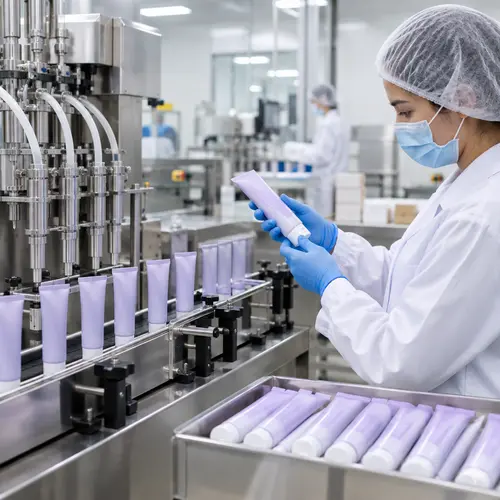
Run testing in the final tube, cap, seal, label, carton, and intended fill volume. Check leakage upright, inverted, and after transport simulation. Inspect seal edges, cap fit, tube recovery after squeezing, print rub, label lift, staining, corrosion, and odor transfer. Compare net content and dispensing behavior at the start and end of the test.
If an aftercare set includes a calming gel or private label hair inhibitor serum, each formula-pack combination needs its own compatibility record. A passing cream result cannot be transferred automatically to another item in the kit.
Storage, Evidence, and Release
A practical screening plan may include 25 ± 2°C ambient storage, 40 ± 2°C accelerated storage, 5 ± 3°C cold storage, and 3–5 freeze-thaw cycles when shipment conditions justify cycling. These are planning conditions, not universal pass limits. The supplier and buyer must define checkpoints, sample quantities, test methods, and acceptance criteria before filling.
The stability principles described in FDA Q1 stability guidance and FDA Q1A(R2) guidance can help structure conditions and timing, although these drug documents do not create cosmetic release criteria. Broader technical context is available through the International Journal of Cosmetic Science. If cruelty-free positioning is planned, claim documentation should be reviewed independently against the Leaping Bunny certification standard; that review does not replace stability work.

Decision Framework Table
Use the following release gate before approving commercial filling or shipment. For unusual formats, add product-specific checks through the supplier’s hair removal product solutions process. Record unresolved items in the final hair removal product RFQ rather than relying on verbal confirmation.
| Factor | What to Check | Why It Matters | ODM Buyer Note |
|---|---|---|---|
| Approved reference | Signed sample code, formula version, package version, photos, pH, viscosity, and removal time | Prevents subjective comparison and unapproved substitutions | Keep one buyer retain and one supplier retain |
| Formula stability | Separation, color, odor, pH, viscosity, spread, rinse, and performance at each checkpoint | Detects drift that can affect results or consumer perception | Require actual readings, not pass-only summaries |
| Package compatibility | Leakage, seal strength, cap fit, tube condition, decoration, dispensing, and net content | The final pack may interact with the cream or fail during transit | Test the exact production materials and decoration |
| Storage plan | Ambient, heat, cold, cycling, orientation, duration, and shipment exposure | Different routes and markets create different stress profiles | Confirm whether summer freight needs added review |
| Safety and label | Directions, warnings, use area, application duration, patch-test language, ingredient list, and lot coding | Misuse can create avoidable irritation and brand complaints | Match the label to the tested product and target market |
| Production release | Batch record, in-process results, finished-product results, retains, deviations, and signed approval | Connects the approved sample to the goods being shipped | Do not release while critical deviations remain open |
ODM Manufacturing Considerations
Sample confirmation should convert a subjective approval into a written product specification. The buyer and supplier should record the accepted cream color, odor profile, spread, rinse behavior, hair-removal performance, fill weight, and appearance on camera. For wax, the record should include the working temperature, softening or melting range, pull behavior, residue level, and flexibility after cooling. Photos and videos help define visual expectations, but measurable limits are needed to control later production sets.
Formula customization should begin with a clear market brief. State the intended body area, target hair type, preferred removal duration, fragrance direction, color, claims, and restricted ingredients. If the product may be positioned for the face or sensitive areas, ask how the supplier evaluates foreseeable irritation risk and supports suitable directions and warnings. Customization can affect texture, odor masking, removal efficiency, and stability, so every significant adjustment should be documented and reassessed rather than treated as a minor aesthetic change.
For additional category context, buyers can review the supplier’s hair-removal product range and OEM and ODM service scope. Existing platforms may reduce development time, while a highly custom cream, sugar wax, strip, cartridge, or aftercare set usually requires more validation and a higher commercial commitment.
Packaging approval must use production-intent components. Confirm the tube, cap, liner, cartridge, strip pouch, jar, applicator, and secondary carton materials. Buyers should check dispensing force, closure security, product residue around the opening, print resistance, and deformation after elevated- and low-temperature exposure. A package that looks acceptable when empty may soften, swell, stain, or lose closure performance after prolonged contact with the filled product.
Depilatory cream stability testing should generate a traceable record for each formula and package combination. Agree on the test plan, observation intervals, acceptance limits, sample identification, and deviation handling before work begins. For creams, request a numeric viscosity window where appropriate, plus limits for color drift, odor change, separation, and removal performance. For wax products, include flexibility, adhesion behavior, melting or softening characteristics, residue, and package cleanliness. Stability findings estimate product behavior; they do not guarantee that every consumer or shipping route will produce identical results.
MOQ should be separated into formula MOQ, packaging MOQ, decoration MOQ, and finished-goods MOQ. Ask whether excess printed tubes, cartons, strip pouches, or roll-on cartridges must be purchased or stored. A transparent BOM should identify product fill, primary pack, decoration, carton, testing, freight preparation, and any one-time tooling or artwork costs. This prevents an apparently low unit quote from expanding after sample approval.
Before lot disposition, obtain the ingredient declaration, product description, approved artwork, use directions, warnings, batch-coding format, specification sheet, and available safety documentation. Claims such as cruelty-free need evidence appropriate to the target market rather than a logo added only for presentation. Shipment planning should define carton count, pallet configuration when applicable, temperature precautions, loading orientation, freight mode, destination requirements, and responsibility for damaged or heat-affected goods. The supplier’s manufacturing process overview should also explain traceability and handling of nonconforming output.
Common Problems or Failure Cases
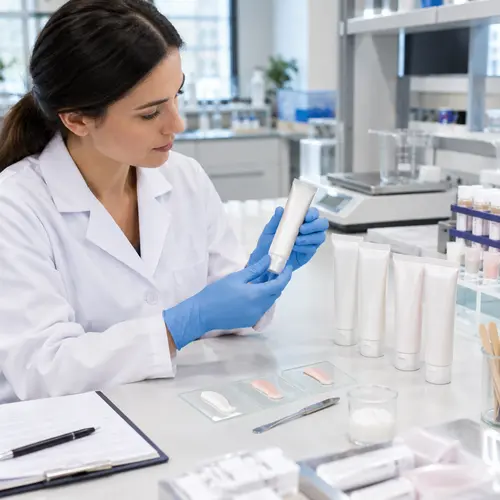
Wax brittleness: Hard or strip wax may crack instead of flexing when the resin balance, working range, storage exposure, or coating weight is unsuitable. Evaluate samples after realistic storage and use them at the instructed temperature.
Strip adhesion loss: Pre-coated strips can lose grip, transfer unevenly, or leave excess residue. Common contributors include adhesive aging, backing interaction, pouch seal weakness, and exposure during transport.
Cream separation: Free liquid, graininess, thinning, or uneven color indicates that the approved appearance is not being maintained. Do not accept remixing as the only corrective action; request root-cause findings and evidence from retained samples.
Cartridge leakage: Roll-on wax may escape around the roller, neck, or closure when component tolerances change or wax mobility rises in warm freight conditions. Inspect filled cartridges upright and on their sides after simulated shipping exposure.
Fragrance sensitivity: Strong fragrance can mask raw-material odor and improve content appeal, but it may also increase consumer complaints. Compare fragranced and lower-fragrance options, review allergen declarations, and avoid describing any version as irritation-proof.
Packaging deformation: Tubes, jars, pouches, and cartridge bodies can warp, panel, discolor, or lose print adhesion. Approval of artwork alone is insufficient; decorated production-intent packs should be evaluated while filled.
Supplier Checklist
- Define sample scope, revision count, ownership, cost, and acceptance criteria in writing.
- Confirm the target cream texture, numeric viscosity window, wax working range, color, odor, fill weight, and removal duration.
- Review foreseeable irritation risks, use directions, warnings, and fragrance or allergen information.
- Require evidence for the exact formula and production-intent package, not only a similar stock item.
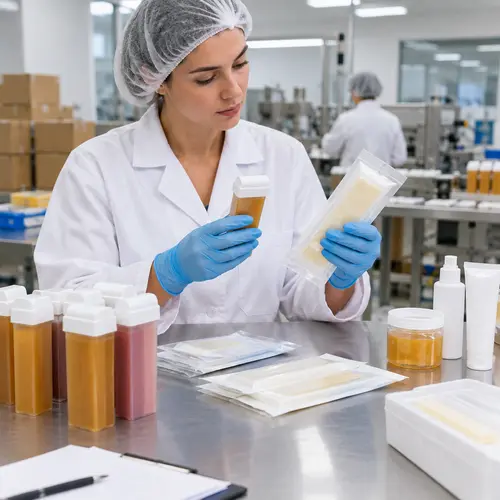
- Check tube dispensing, wax-strip pouch integrity, cartridge leakage, closure security, and decoration durability.
- Separate formula, component, printing, and finished-goods MOQs in the quotation.
- Request a clear BOM, artwork charges, test charges, freight assumptions, and estimated lead-time basis.
- Verify lot traceability, deviation handling, retained records, and criteria for accepting or rejecting output.
- Review ingredient, labeling, safety, claim-support, and shipment documents for the intended market.
- Confirm surge-capacity rules, forecast expectations, component availability, and how production slots are allocated.
FAQ
How can I reduce the risk of a factory copying my idea or formula?
Use a signed confidentiality agreement, define ownership of custom work, restrict approved subcontracting, and identify which elements are supplier background knowledge versus buyer-funded development. Ask how files, samples, and customer-specific BOMs are access-controlled. No contract removes all risk, so verify conduct through references and staged disclosure.
Can the sample deliver an exaggerated texture or color that looks good on camera?
Yes, but translate the creative brief into measurable targets and record the lighting, application amount, spread pattern, and filming conditions used for approval. A dramatic cream or wax texture must still dispense, remain stable, support hair removal, and fit the selected package.
Can quality control guarantee that no follower will experience irritation?
No responsible supplier can guarantee zero reactions. Risk can be reduced through ingredient review, controlled manufacturing, suitable warnings, clear use duration, market-appropriate assessments, and traceable lot records. Buyers should reject absolute safety claims and maintain a complaint and escalation process.
What if I do not understand technical cosmetic terminology?
A capable account team should convert marketing language such as bold color, satisfying spread, clean pull, or low residue into testable specifications. Ask for a plain-English decision log after each meeting so that creative goals and factory instructions remain aligned.
What happens if a video creates a sudden order spike?
Discuss capacity before launch. Request normal and surge output ranges, component lead times, forecast deadlines, allocation rules, and split-shipment options. Reserving packaging components can shorten response time, but it creates inventory exposure that should be assigned clearly.
Should I approve production using photos and videos alone?
No. Visual records are helpful for color and texture, but the buyer should also review physical samples and written limits for performance, odor, fill, packaging behavior, and stability. Remote approval should identify lighting limitations and shipping effects on samples.
References
- FDA Q1 stability testing document — useful as a general reference for structured stability planning and documentation, although cosmetic requirements and product risks must be assessed separately.
- FDA Q1A(R2) stability guidance — supports the visible recommendation to predefine test conditions, intervals, and acceptance criteria.
- Leaping Bunny cruelty-free certification standard — supports verification of cruelty-free claims rather than relying only on package artwork.