Direct Answer
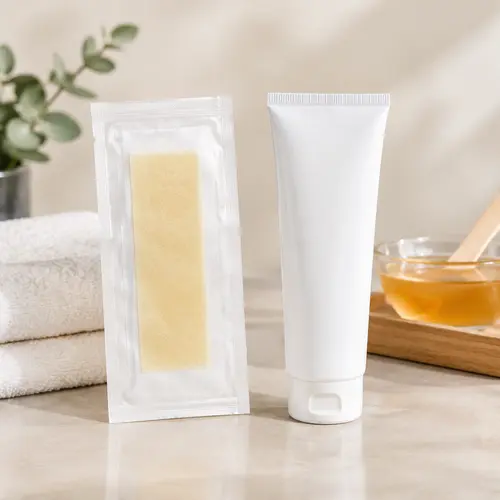
For most first-time private-label founders, wax strips are easier to launch first. In the wax strips vs depilatory cream decision, strips usually involve fewer formula variables, a simpler consumer routine, and less demanding primary packaging. A proven pre-coated strip can move from sample review to a pilot run quickly when the wax weight, backing material, peel behavior, and sachet seal are already validated.
Depilatory cream can produce a stronger short-form video moment: apply, wait, wipe, reveal. But that simplicity on camera hides a more sensitive development path. The cream must remove hair within the labeled contact time while controlling odor, texture drift, skin discomfort, and tube compatibility. For a founder racing toward a content date, strips are the lower-friction first SKU. Choose cream first only when the wipe-off transformation is central to the campaign and the ODM can provide a mature base, packaging test records, and a clear safety review.
Key Takeaways for Private Label Buyers
- Fastest launch: Start with an established wax strips OEM system rather than developing a new wax and substrate combination.
- Stronger visual reveal: Cream offers a clean before-and-after sequence, but it requires tighter control of contact time, odor, viscosity, and user instructions.
- Packaging risk: Strip projects concentrate risk in sachet seals, wax migration, liner release, and carton protection. Cream projects add tube, cap, seal, and product-contact compatibility.
- Testing priority: Review hot and cold storage, performance after aging, application consistency, irritation risk, leakage, and retail pack durability before approving production.
- Launch strategy: Use a 1,000-unit pilot to validate audience response, then add post-depilation care OEM products as a bundle or second release.
Buyer Context
Creator-led brands do not launch in a quiet environment. The product must work, read clearly on camera, survive fulfillment, and arrive before the content concept loses relevance. That changes the sourcing question. The best first SKU is not automatically the product with the highest theoretical margin or the most dramatic views. It is the product with the shortest dependable path from approved sample to repeatable production.
Wax strips benefit from a familiar format. Consumers understand the gesture: warm, separate, apply, pull. The visual can be built around a clean strip reveal, compact travel packaging, or distinct face and body formats. An ODM using established wax, nonwoven backing, release liner, and sachet materials can reduce the number of open decisions. Buyers should still examine strip dimensions, wax distribution, grip area, residue, hair pickup, and performance at different room temperatures. The hair removal manufacturing process should show where coating, cutting, pairing, sachet sealing, inspection, and carton packing are controlled.
Cream has a different advantage. It turns hair removal into a visible texture story: smooth application, controlled dwell time, and a wipe-away result. That format can support custom fragrance, color, applicators, or a premium shower routine. It also places more responsibility on the formula and instructions. A depilatory cream OEM project should begin with the target body area, hair type, expected contact window, removal method, fragrance direction, and pack size. A face cream, body cream, and sensitive-positioned formula should not be treated as interchangeable.
Market destination matters before artwork begins. US buyers should review obligations described under the Modernization of Cosmetics Regulation Act of 2022, including product listing, facility registration where applicable, safety support, and serious adverse-event reporting. ([fda.gov](https://www.fda.gov/cosmetics/cosmetics-laws-regulations/modernization-cosmetics-regulation-act-2022-mocra)) Gulf-bound projects should confirm applicable standards and conformity requirements through the Gulf Standardization Organization and the destination country’s authority. ([gso.org.sa](https://www.gso.org.sa/)) Buyers should also screen market alerts, including warnings involving unauthorized hair-removal products, before finalizing claims and labels.

Technical and Packaging Factors
Wax Strips: Fewer Variables, Not Zero Risk
The key system is the relationship between the wax, strip substrate, release liner, and sachet. If the wax becomes too firm in cold storage, consumers may struggle to separate or activate the strips. If it softens too much in heat, it may migrate toward the grip area, transfer unevenly, or create messy opening behavior. Ask the supplier to show samples after heat and cold exposure rather than reviewing only fresh room-temperature units.
Adhesion also changes over time. A strong initial sample does not prove that the wax will spread evenly, release cleanly, and remove hair after storage and shipment. Compare fresh and aged strips for wax weight, separation force, residue, pickup, substrate tearing, and sachet contamination. For sugar wax or natural positioning, confirm that marketing language matches the actual ingredient list and finished-product behavior.
Packaging is structurally simple but commercially important. Individual sachets improve hygiene and travel use, while multi-strip pouches may reduce material cost. In either case, seals must remain closed through compression, vibration, and warm-weather delivery. The outer carton should protect flatness without feeling overbuilt. Review the full hair removal OEM ODM services scope to confirm whether the offer includes strip sizing, sachet printing, carton layout, leaflet preparation, batch coding, and shipper-case specifications.
Depilatory Cream: More Control Points
A depilatory cream must balance removal performance with a usable texture and tolerable skin experience. The sample should stay where it is applied, spread without dragging, and wipe or rinse away without excessive residue. A thin formula may drip and look poor on camera. An overly dense formula may be difficult to dispense or spread at the labeled dose. Review multiple samples under the same lighting, application thickness, and timing so the visual comparison is real.
Odor masking deserves direct review. Fragrance can improve the first impression, but it should not be used to disguise instability or create an overwhelming in-use experience. For sensitive skin hair removal products, require a clear ingredient rationale, realistic claims, controlled use directions, patch-test language where appropriate, and evidence supporting the finished product’s intended use.
The pack must tolerate prolonged contact with the cream. Check tube wall integrity, cap fit, induction or foil seal behavior, print resistance, panel distortion, and dispensing after heat and cold storage. Pump packs may look premium but add compatibility and fill-consistency questions. A standard laminate tube is often the faster first-launch choice. Review unauthorized-product alerts such as this public health warning involving a strip-off hair-removal cream as a reminder that claims, authorization status, and label accuracy are launch essentials.

Decision Framework
| Factor | What to Check | Why It Matters | ODM Buyer Note |
|---|---|---|---|
| Launch speed | Existing base, sample timing, component availability, pilot MOQ | New custom materials can miss a content date | Strips usually win when a proven construction is available; request a 7-day sample target and confirm it in writing |
| Formula burden | Wax behavior or cream viscosity, odor, application, removal performance | More variables create more approval rounds | Use the supplier’s mature library before requesting major changes; compare available hair removal product solutions |
| Packaging | Sachet seals and migration for strips; tube, cap, seal, and dispensing for cream | Pack failure can damage every unit even when the product works | Approve filled-pack testing, not empty packaging alone |
| Storage and shipment | Heat, cold, aging, compression, leakage, separation, label condition | Cross-border shipping exposes products to variable conditions | Ask for test conditions, sample photos, acceptance criteria, and shipper-carton details |
| Content value | Pull reveal, residue, wipe-off result, texture, visibility on different skin tones | The product must communicate without a long explanation | Film the actual approval sample; do not rely on a lab-only demonstration |
| Scale readiness | Line capacity, repeatability, component lead time, reorder plan | A viral launch can turn a pilot into an urgent replenishment | Confirm that pilot and scale production use the same approved formula and core process |
| Commercial transparency | BOM, tooling, artwork, testing, freight assumptions, payment milestones | Low headline pricing can hide launch costs | Use a structured hair removal product RFQ and request one consolidated cost view |
Founder decision: launch wax strips first if speed, lower development risk, compact packaging, and a clear waxing gesture matter most. Launch depilatory cream first if the wipe-off transformation is the campaign’s central asset and the contract manufacturer can demonstrate stable texture, compatible packaging, credible safety support, and fast scale-up. Buyers still comparing formats can review a specialized hair removal OEM manufacturer and supporting hair removal product guides before locking the first SKU.
ODM Manufacturing Considerations
For private-label buyers, the first ODM milestone should be a written sample confirmation rather than a verbal description. Confirm the hair-removal area, target hair type, use frequency, skin-contact instructions, fragrance direction, color, texture, package size, and expected retail price. A wax strip intended for legs may need different handling from a facial strip, while a depilatory cream for the body may require a different application time and dispensing format. The supplier should record the approved version with a sample code, material specification, artwork revision, and sign-off date.
Formula customization should stay within a controlled brief. For wax strips, ask the manufacturer to explain the expected working temperature, flexibility, pull behavior, residue level, and performance after storage. For cream, request information about viscosity consistency, spreadability, odor profile, and the acceptable appearance range. If a custom formula is requested, clarify which ingredients are fixed, which may be substituted, and how changes will be communicated. A sample that looks dramatic on camera but becomes difficult to spread, brittle, or irritating in normal use is not a successful launch formula.
Packaging compatibility needs to be confirmed with the actual product, not only with an empty package. Review sachet films, liners, tubes, caps, foil seals, jars where appropriate, roll-on cartridges, and applicators against the wax or cream selected. The supplier should check whether wax sticks to the inner film, whether cream reacts with the tube shoulder or cap, and whether the package remains usable after repeated opening. For roll-on wax, request a filled-pack review that includes roller movement, cap fit, and storage orientation.
Stability review should cover appearance, odor, texture, adhesion, dispensing, and package condition across expected storage temperatures. Ask for a clear acceptance record showing what changed and what did not. Shipment conditions also matter: cartons should be protected from excessive heat, freezing exposure, crushing, and prolonged direct sunlight. For wax, transit temperature can affect softness and adhesion. For cream, temperature swings can affect separation, odor, and flow. Confirm whether insulated shipping, seasonal dispatch limits, or special pallet handling is needed.
MOQ should be discussed together with sample scope and scale-up terms. Ask whether the supplier can produce a small commercial trial, whether custom packaging has a separate minimum, and what happens to unused printed materials. Request a transparent BOM showing formula, component, filling, assembly, testing, and freight assumptions. A supplier with experience in social-led launches may also show a visual prototype library or examples of overseas creator brands, but prior examples should never replace verification of your own approved sample.
Labeling documents should be prepared for the destination market before artwork is finalized. Request the ingredient declaration, net contents, batch coding method, directions, warnings, shelf-life or period-after-opening information where applicable, manufacturer details, and supporting product documents. For US distribution, review the official Modernization of Cosmetics Regulation Act of 2022 requirements with the responsible brand or importer. For Gulf markets, confirm the applicable Gulf Standardization Organization framework and local registration expectations.
Communication quality is part of manufacturing quality. The best contact can translate a marketing request such as a clean peel, visible cream spread, or strong before-and-after demonstration into measurable sample requirements. Set a response timetable, one revision channel, and a change-control rule so that a last-minute fragrance, color, or package change does not reach production without written approval.
Common Problems or Failure Cases
Wax brittleness: A strip can crack during folding or removal when the wax layer, backing, or storage condition is poorly matched. Check flexibility after warm and cool storage, inspect the edge for flaking, and test removal on the intended body area. Do not approve a strip based only on a fresh sample from the factory.
Adhesion loss: Wax may look normal while losing pickup performance after exposure to heat, humidity, or an incompatible release surface. Compare newly packed material with stored samples, and record hair pickup, residue, and user handling. A change in liner material or coating can affect the result even when the formula has not changed.
Cream separation: Visible oiling, watery leakage, graininess, or a sharp odor change indicates that the product may not remain uniform during storage. Review filled packs at multiple time points and inspect both the first and last portion dispensed. Confirm that the product remains easy to spread without forcing the tube.
Cartridge leakage: Roll-on wax can leak around the roller, cap, seam, or neck when filling volume and closure fit are not balanced. Test upright and horizontal storage, carton movement, and repeated cap removal. Examine both the cartridge and the retail carton for staining or deformation.
Fragrance sensitivity: A strong masking fragrance can create a poor user experience, especially for facial or underarm use. Ask for an unscented option or a lower-impact fragrance direction, then review the warning language and intended use area. The package should not imply suitability for sensitive areas unless the product evidence and directions support that claim.
Packaging deformation: Heat can soften wax packaging, distort tubes, loosen seals, or affect cap threads. Inspect filled units after transit simulation and seasonal storage conditions. Include a visual check for warped cartons, oil marks, swollen tubes, and damaged labels before approving shipment.
Supplier Checklist
- Can the supplier provide a coded sample record covering texture, color, odor, use area, and approved revisions?
- Can the factory explain the working behavior of the wax or the viscosity and dispensing range of the cream?
- Has the actual filled product been checked with the selected film, liner, tube, cap, foil, or cartridge?
- Are storage, transit, leakage, appearance, and user-handling checks documented for the finished pack?
- Does the supplier disclose MOQ by formula, package component, printed material, and finished order?
- Can the supplier provide ingredient, labeling, batch, shelf-life, and destination-market documents?
- Is there a written process for sample approval, formula changes, packaging substitutions, and artwork changes?
- Does the BOM separate product, packaging, filling, assembly, testing, and freight estimates?
- Can the production team reserve capacity for a repeat order without displacing the brand after a successful launch?
- Does the account contact understand content-led marketing needs and convert visual goals into measurable specifications?
FAQ
How can I protect my custom wax or cream concept from being sold to another brand?
Use a written confidentiality and ownership agreement before sharing sensitive briefs, and define who owns the formula, artwork, packaging files, test records, and modifications. Ask the factory to identify whether any base formula is shared across customers. A sample code and documented approval trail also help distinguish your approved version from a general stock product.
Can the sample match an exaggerated color or texture for social media content?
It can, but the visual target must be translated into a practical specification. Provide reference images, acceptable color limits, spread or peel behavior, and the intended filming conditions. Request several controlled options and test them in the real container. The most camera-friendly sample still needs to remain stable, usable, and accurately represented in the final label claims.
How do I reduce the risk of a customer suffering a bad skin reaction?
No supplier can guarantee zero reactions. Reduce risk by defining the intended body area, reviewing the ingredient declaration and warnings, asking for an irritation-risk assessment appropriate to the product, and requiring clear directions and patch-test language where suitable. Review complaint handling, retained samples, batch records, and release checks before launch.
Will communication be difficult if I do not understand ingredients?
A capable OEM or ODM partner should explain choices in buyer language and connect them to use, cost, appearance, and production limits. Use a brief with photos, target retail positioning, scent preferences, application time, and prohibited claims. Require written confirmation after each sample discussion so marketing language does not become an ambiguous production instruction.
Can the factory keep up if a video suddenly generates a large order?
Ask for normal monthly output, current production commitments, staffing by line, component lead times, and the process for reserving repeat capacity. A written forecast is useful, but ask what quantity can actually be produced within each shipping window. Discuss approved substitute components in advance, since an unplanned package change can delay fulfillment or alter the user experience.
What should I do if the first sample is good but the production batch is different?
Compare the batch against the signed sample using defined checks for color, odor, texture, adhesion, dispensing, fill level, seal quality, and carton condition. Hold release until deviations are explained and corrected. Keep a retained approved sample and require written approval for any ingredient, component, process, or supplier change.
References
- Modernization of Cosmetics Regulation Act of 2022, U.S. Food and Drug Administration.
- Gulf Standardization Organization, official regional standards and conformity information.
- FDA Philippines advisory on unauthorized cosmetic strip-off hair-removal cream.