Direct Answer
The right hair removal product sourcing checklist should compare more than minimum order quantity. For a private-label buyer, the meaningful question is whether a supplier can deliver a repeatable formula, compatible packaging, documented testing, and launch-ready compliance at the volume your business can realistically sell. A low MOQ may reduce inventory exposure, but it does not compensate for inconsistent wax pull, cream separation, cartridge leakage, incomplete labeling files, or a supplier that changes the formula after sampling.
Evaluate each candidate across five connected areas: formulation control, packaging compatibility, quality and stability testing, regulatory documentation, and scale-up discipline. Then compare the commercial terms, including sample scope, pilot quantity, lead time, payment structure, and shipment conditions. This approach helps DTC brands protect cash flow while preserving product performance and approval readiness. It also reveals whether an ODM partner can support a measured test launch and reproduce the same result when demand accelerates.
Key Takeaways for Private Label Buyers
- Use MOQ as one input in the sourcing decision, alongside formula ownership, batch consistency, and the supplier’s ability to scale without re-engineering.
- Request a written formula brief covering texture, viscosity, melting behavior, fragrance, active ingredients, skin-feel targets, and restricted-substance review.
- Match the pack to the product: jars and tubes for creams, heat-resistant containers for wax, and cartridge materials that withstand filling, storage, and transit.
- Ask for stability, compatibility, microbiological, and performance testing that reflects the final formula and final packaging, not only a laboratory sample.
- Review the documentation path for the destination market, including ingredient nomenclature, claims substantiation, safety files, labels, and facility information.
- Choose a sampling and scale-up process that preserves the approved benchmark from pilot run through commercial shipment.
Buyer Context
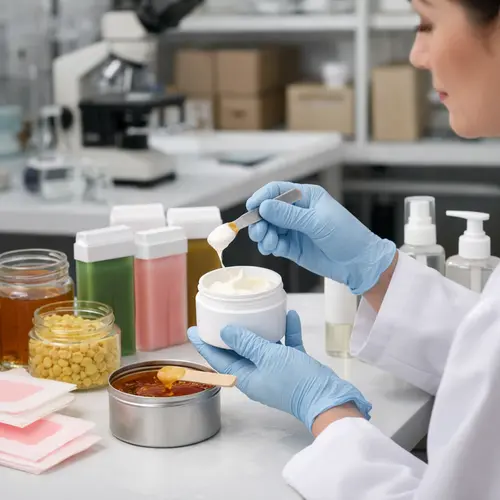
Hair removal products look simple on a product page, but their commercial risk is concentrated in details consumers notice immediately. A wax strip that leaves excessive residue, a sugar wax that crystallizes, or a depilatory cream with uneven spread can create poor reviews within the first week of launch. For a creator-led brand or Shopify seller, that feedback can affect paid traffic efficiency, repeat purchase, and the credibility of the entire product line.
The supplier comparison is especially important because different formats require different manufacturing controls. Depilatory wax needs controlled melt behavior, adhesion, pull strength, and heat stability. Sugar wax needs a predictable consistency across temperature conditions. A roll-on wax cartridge requires clean filling, reliable roller movement, and protection against leakage. Depilatory cream needs a controlled emulsion, uniform application, acceptable odor, and a documented irritation-risk review. Aftercare products must feel compatible with freshly treated skin and should not create confusing claims that shift the product into a more regulated category.
Low-volume buyers also face a structural disadvantage when suppliers treat sampling as a sales formality. A sample may be made by hand, filled into a different container, or adjusted informally without recording the change. The result can look excellent in approval photographs but behave differently in the first production batch. A disciplined supplier treats the sample as a manufacturing reference, records the approved version, and explains what will remain constant during scale-up.
Regulatory readiness should be assessed early. In the United States, buyers can review the FDA’s regulatory framework for cosmetics and the agency’s information on cosmetic facility registration and product listing. These resources do not replace a product-specific legal review, but they clarify why facility information, product records, ingredient details, and responsible-party responsibilities matter. For brands selling in Dubai, the Dubai Municipality Montaji registration system is another example of a market-specific approval workflow that should be considered before shipment.
Technical or Packaging Factors
Start with a product performance specification rather than a generic request for a cream or wax. For wax, record the intended application temperature, melting point target, viscosity or flow behavior, set time, adhesion, residue level, and removal performance. For wax strips, verify strip substrate, wax coat uniformity, release liner separation, adhesion aging, and whether the strip remains functional after normal heat exposure during transit.
For depilatory cream, ask how the emulsion is controlled, how the formula is evaluated for odor and spreadability, and how the intended use area affects the irritation-risk review. Do not rely on broad claims such as gentle or suitable for sensitive skin without defined substantiation. The supplier should identify the test method, sample conditions, and claim boundaries. A formula that performs well on legs may not be appropriate for facial or intimate-area positioning.
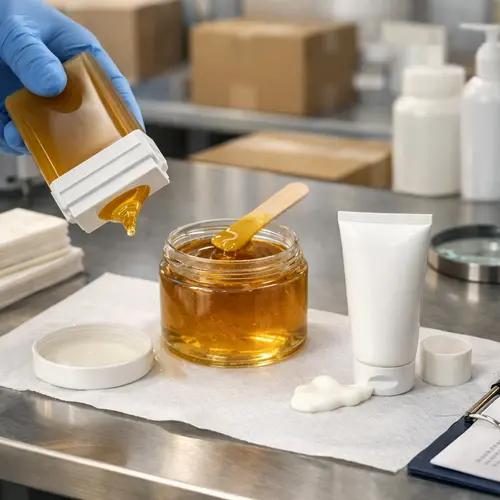
Packaging compatibility is a product decision, not a final artwork task. Review container resin or glass type, liner selection, closure torque, wiper design, and seal integrity. A cream may interact with a tube shoulder or gasket over time. Wax may soften a label adhesive or distort a lightweight jar when warmed. A roll-on cartridge needs a leak review in both upright and inverted conditions, including transport vibration and temperature changes. Aftercare gels and lotions should be checked for pump priming, cap closure, and fill accuracy.
Storage and shipment conditions should be written into the project brief. Request heat and cold exposure checks, freeze-thaw observations where relevant, package leakage inspection, appearance review, odor comparison, and viscosity tracking. The exact protocol will depend on the format and market, but the important point is traceability: the test sample, packaging component, lot identification, and acceptance criteria should be clear. Stability work on a formula in a beaker cannot fully predict performance in the final tube, jar, strip pouch, or cartridge.
Sampling should also cover the commercial experience. Ask whether the supplier can provide a formula sample, packaging mock-up, label review, and pilot-fill sample within the same approval track. Confirm which changes trigger a new approval. Fragrance, wax composition, preservative system, container material, and fill weight can all affect performance. A clear change-control process prevents a buyer from approving one version and receiving another.
Decision Framework Table
| Factor | What to Check | Why It Matters | ODM Buyer Note |
|---|---|---|---|
| Formula repeatability | Approved sample record, batch instructions, texture range, and change-control procedure | Protects performance between sampling and launch | Ask whether the pilot and later scale-up use the same controlled baseline |
| Wax or cream performance | Melting behavior, viscosity, spread, pull strength, residue, odor, and skin-feel review | These are the product attributes customers experience directly | Request format-specific acceptance criteria instead of generic quality language |
| Packaging compatibility | Seal integrity, leakage, closure fit, label adhesion, roller function, and material review | Prevents damage, returns, and visible quality failures | Test the final formula with the final pack and closure |
| Testing and storage | Stability, microbiological testing where applicable, heat and cold exposure, and transit checks | Shows whether the product can tolerate its actual distribution route | Request test conditions, duration, lot references, and conclusions |
| Compliance file | Ingredient list, safety documentation, claims support, label review, and facility records | Reduces approval delays and marketplace risk | Map documents to each destination market before artwork approval |
| Commercial flexibility | Sample scope, pilot quantity, lead time, scale-up terms, and shipment conditions | Connects cash exposure with realistic launch demand | Compare total launch risk, not only the quoted unit price |
ODM Manufacturing Considerations
A capable partner should make the handoff from concept to production visible. Review its hair removal manufacturing process to understand how sampling, formulation, filling, packaging, QC, and shipment are connected. A strong workflow identifies the approved formula version, packaging specification, inspection points, and release documents before the first pilot run.
For buyers comparing suppliers, the most useful commercial conversation is specific. Share the intended product format, target market, pack size, claim direction, sales channel, launch quantity, and replenishment forecast. Then request a documented project scope rather than a single MOQ number. A supplier with a modular formulation library may be able to shorten the development step while still allowing adjustments to fragrance, texture, packaging, and positioning. Explore relevant hair removal OEM ODM services and product-specific options such as private label depilatory cream or custom wax strips and hot wax.
Finally, ask how the supplier manages confidential information and formula ownership. An NDA should be signed before sensitive brand plans, packaging artwork, or proprietary claims are shared. The agreement should clarify permitted use of samples, development records, artwork, test reports, and any custom modifications. A lower MOQ has limited value if the operating relationship cannot protect consistency, documentation, and launch timing.
ODM Manufacturing Considerations: Final Approval Controls
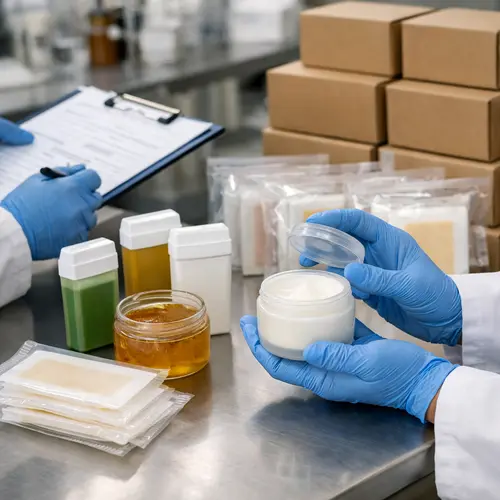
A reliable hair-removal supplier should make sample approval a controlled decision, not a quick visual sign-off. Ask for a numbered sample set covering the formula, fragrance level, color, container, closure, label artwork, and pack-out method. Record the approved version in a specification sheet and require any later change to receive written approval. This prevents a wax strip or depilatory cream from changing between sampling and the first commercial run.
Formula customization should be defined by measurable targets. For depilatory wax, review hardness, flexibility, softening behavior, stringing, and application feel at the temperatures expected in the selling market. For cream, request the target viscosity range, pH information where relevant, odor profile, contact-time instructions, and an irritation-risk review based on the intended use. Sugar wax should be assessed for spreadability, tack, crystallization tendency, and consistency after repeated warming. A supplier using a ready-made base can still create meaningful differentiation through texture, fragrance strategy, aftercare pairing, pack format, and documented performance targets.
Packaging compatibility requires more than confirming that a bottle or pouch looks suitable. Check whether the cream interacts with the tube laminate, whether the cap remains clean after repeated dispensing, and whether the wax label adhesive holds under warm storage. For roll-on wax cartridges, inspect roller movement, seal integrity, fill accuracy, and leakage after storage in multiple orientations. For aftercare gel or lotion, confirm that the pump delivers consistently and does not draw air after partial use. The supplier should provide a compatibility summary tied to the exact formula and packaging components.
Stability review should reflect the shipment route and final retail environment. Request retained samples from the approved batch and define inspection points for appearance, odor, texture, package deformation, leakage, and label adhesion. Include heat exposure, cold exposure, vibration, and compression checks where the product format requires them. The useful result is not only a pass or fail statement; it is a record showing the sample condition, test duration, packaging configuration, and acceptance criteria.
MOQ should be evaluated alongside setup costs, component ordering rules, and the cost of holding inventory. A low initial quantity may carry higher unit pricing because the supplier must divide filling, printing, and testing costs across fewer units. Compare landed cost per sellable unit, including cartons, labels, freight, inspection, and expected waste. Then model the effect on gross margin and customer acquisition cost. A slightly higher unit cost may be reasonable for a controlled market test, while a low quoted price can be misleading if it requires excessive packaging purchases or creates slow-moving stock.
Before shipment, request the documents needed for the destination market and sales channel. Depending on the product and market, this may include the ingredient list using accepted cosmetic nomenclature, product specifications, safety-related supporting documents, batch coding format, certificate of analysis, allergen or fragrance information, packaging material details, and artwork review notes. The FDA regulatory framework for cosmetics should be checked for the buyer’s U.S. responsibilities, while brands selling in Dubai should verify the Dubai Municipality Montaji registration system. Agree on who prepares, reviews, translates, and updates each document.
Shipment conditions should be written into the purchase specification. State the acceptable temperature range, carton stacking limits, orientation requirements, protective separators, pallet configuration, and inspection procedure on arrival. Wax products can soften in transit, creams can show separation after severe temperature cycling, and printed packaging can deform under compression. A supplier that cannot explain how the product is protected during shipping has not completed the manufacturing plan.
Review the OEM/ODM development process and manufacturing process pages alongside the supplier’s own technical file. The purpose is to compare evidence, not merely presentation quality.

Common Problems or Failure Cases
Wax brittleness: A wax may look acceptable in a room-temperature sample but crack during application or removal. Ask the supplier to compare flexibility and pull behavior after warm and cool storage. Confirm the target application thickness and removal method before approving the formula.
Strip adhesion loss: Wax strips can lose performance when the adhesive layer, backing material, or release liner is inconsistent. Inspect the first and last pieces from a pack, check clean release from the liner, and review adhesion after storage. Artwork approval should not replace a physical pack test.
Cream separation: A depilatory cream may develop oil bleed, watery discharge, graininess, or a noticeable odor change. Review filled samples rather than only bulk formula samples, and compare appearance after temperature cycling. Confirm that the consumer instructions match the validated contact time and intended body area.
Cartridge leakage: Roll-on wax may seep around the cap, roller housing, or seal during transport. Test cartridges upright, inverted, and horizontally after shipment simulation. Also check whether the roller starts immediately and distributes a uniform layer without excessive pressure.
Fragrance sensitivity: Strong fragrance can create complaints even when the hair-removal performance is acceptable. Request fragrance allergen information and offer an unscented or reduced-fragrance option for sensitive-use positioning. Claims such as gentle or suitable for sensitive skin should be supported by a careful formula and claims review, not only by marketing preference.
Packaging deformation: Tubes, pouches, jars, and cartons may buckle under heat, pressure, or poor pallet stacking. Inspect filled units at the expected shipment condition and retain photographs with the batch record. Reconfirm closure torque, seal width, label placement, and carton fit before approval.
Supplier Checklist
- Confirm the supplier can provide a traceable sample number and a signed approval specification.
- Record measurable targets for wax texture, cream viscosity, sugar wax spreadability, fragrance, color, and intended use.
- Request formula-to-package compatibility evidence for every final container, closure, liner, cartridge, pump, and label.
- Review irritation-risk information, ingredient nomenclature, fragrance details, usage directions, and proposed claims.
- Ask how the supplier controls formula, raw material, packaging, and artwork changes after approval.
- Compare MOQ, setup charges, component commitments, landed cost, lead time, and inventory exposure together.
- Define sample scope, revision limits, approval milestones, and the person authorized to approve production.
- Verify batch coding, certificate of analysis format, retained-sample policy, and shipment inspection procedure.
- Request credible evidence for clean beauty, cruelty-free, and environmental claims. For packaging, ask for material specifications, recycled-content evidence where claimed, and applicable certification records rather than relying on a green description.
- Use a written NDA before sharing proprietary artwork, formula concepts, launch timing, or channel strategy, and check confidentiality obligations for subcontractors and component suppliers.
- Assess the response process for urgent replacement supply, including sample turnaround, capacity confirmation, and escalation contacts.
FAQ
Can an Asian supplier reliably meet Clean Beauty and cruelty-free requirements?
Yes, but the location alone proves nothing. Require an ingredient review, prohibited-substance screening appropriate to the target market, supplier declarations, animal-testing policy, and records supporting the proposed claims. Confirm that fragrance, color, wax, cream, and aftercare components are covered. The brand remains responsible for using claims that its evidence can support.
Will a low MOQ make the unit price too high to support customer acquisition costs?
It can. Compare full landed cost and expected sell-through rather than unit price alone. Ask for a cost model showing filling, printed components, setup, testing, cartons, freight, and any unused packaging exposure. A smaller launch quantity may be commercially sound when it limits inventory risk, but the margin model must include the planned CAC and returns allowance.
Will a turnkey or existing formula make my product indistinguishable from other brands?
It may if the supplier offers no controlled customization. Request a documented differentiation plan covering texture, fragrance, color, application experience, aftercare pairing, packaging, and claims language. Ask which elements are exclusive to your project and which remain standard across other customers. A base formula is a starting point, not proof of a distinctive product.
Can I sign a strict NDA before sharing my formula and launch plan?
Yes. The NDA should define confidential information, permitted use, access by employees and subcontractors, ownership of supplied materials, return or destruction duties, and the survival period after discussions end. Keep the approved formula, artwork, and development history in version-controlled records, and identify which improvements belong to your project.
How can I verify that environmental packaging claims are not greenwashing?
Ask for the exact material specification, recycled or bio-based content percentage, country of origin, chain-of-custody evidence where relevant, and certification scope. Check whether the certificate applies to the actual tube, pouch, carton, or label being supplied. Avoid broad claims such as eco-friendly unless the claim is specific, documented, and legally appropriate for the destination market.
What should I do when a current supplier has a capacity problem or fails unexpectedly?
Keep an approved technical file containing formula targets, packaging specifications, artwork, documents, batch requirements, and shipment conditions. A replacement supplier can then evaluate the same brief and produce comparable samples. Do not switch directly from a quotation to shipment; repeat compatibility, stability, leakage, labeling, and approval checks for the replacement source.
References
For U.S. cosmetic responsibilities and product information, consult the FDA’s regulatory framework for cosmetics. For Dubai market registration procedures, consult Dubai Municipality. Where alpha-hydroxy acids appear in a hair-removal or aftercare formula, review the FDA consumer advisory on alpha hydroxy acids before finalizing claims and directions.