Hair Removal Sample Review: Packaging Mockups, Claims, and Instructions
Direct Answer
The cosmetic product sampling process should approve three connected systems before production: the hair-removal formula, the packaging configuration, and the consumer-facing copy. A visually strong sample is not enough. Buyers should confirm texture, application behavior, removal performance, irritation risk, pack compatibility, storage response, claims, warnings, and directions under the conditions in which the product will be sold and shipped.
For depilatory cream, wax strips, sugar wax, roll-on wax, and aftercare, the approved sample should become a controlled reference for the first batch. Record its appearance, odor, viscosity or melting behavior, fill weight, packaging components, artwork version, and use instructions. Any change after approval should be documented and reviewed before filling begins. This approach keeps the camera-ready prototype aligned with the shelf-ready SKU and reduces late artwork edits, leakage failures, and claim corrections.
Review the full hair removal manufacturing process before approving a production timeline.
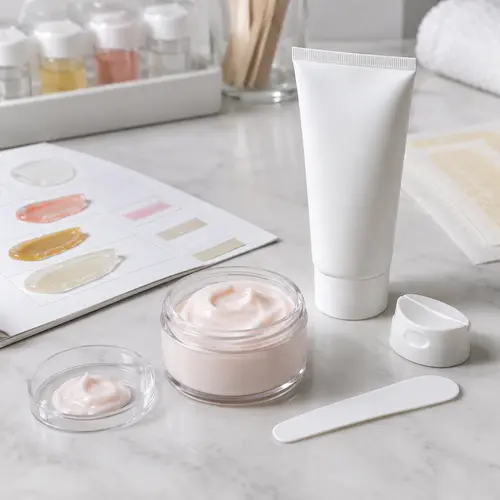
Key Takeaways for Private Label Buyers
- Approve performance, not appearance alone. Check spread, grip, removal time, residue, rinse-off behavior, and post-use skin feel.
- Test the exact pack. The final tube, cap, liner, cartridge, pouch, strip backing, or jar should be tested with the approved formulation.
- Lock claims early. Product claims, directions, warnings, and visual demonstrations must describe what the sample can consistently deliver.
- Define storage and shipment conditions. Heat, cold, vibration, orientation, and warehouse time can change wax flow, cream viscosity, seals, and strip adhesion.
- Make approval measurable. Use a signed specification sheet, artwork version, packaging bill, and retained reference sample rather than feedback such as ‘more premium’ or ‘slightly thicker.’
- Connect sampling to launch volume. Confirm pilot MOQ, component lead times, and scale-up assumptions before content production starts.
Buyer Context
Hair-removal products are unusually sensitive to the gap between a promising prototype and a repeatable commercial product. A depilatory cream may look smooth in a jar yet dispense poorly from the selected tube. Wax strips may grip well when fresh but lose adhesion after warm storage. Sugar wax can harden through moisture loss. A roll-on cartridge may pass a desk review and leak when shipped on its side. Aftercare packaging may also affect the perceived quality of the complete routine.
This matters most for creator-led launches. The formula must perform visibly on camera, but the same texture must remain usable for customers receiving parcels through hot or cold routes. A seven-day first-sample target can protect a content window, provided the brief defines the product format, target market, pack size, visual finish, application sequence, and required documentation. Buyers exploring different formats can compare depilatory product development solutions before selecting a sample route.
Sampling scope should also reflect category risk. A custom depilatory cream formulation requires close review of contact time, removal instructions, odor, viscosity, rinse-off, and irritation potential. Custom wax strips and hot wax require adhesion, heating, residue, and pack-seal checks. Products positioned for reactive users need a documented irritation-risk review; relevant format options are outlined under sensitive skin hair removal products.
A pilot order from 1,000 units can be practical when the supplier uses the same approved formula, component specification, and production controls at scale. Ask whether the sample was handmade, filled on development equipment, or produced under conditions representative of the commercial batch. The answer affects how confidently texture and fill behavior can transfer.

Technical and Packaging Factors
Formula Performance and Approval Limits
Start with a one-page sample scorecard. For cream, record appearance, odor, viscosity range, spread area, removal window, rinse behavior, residue, and skin feel. For hot or hard wax, record melting range, working temperature, spread, set time, pull behavior, brittleness, and residue. For strips, review wax distribution, backing strength, separation force, grip, and performance after storage. For sugar wax, monitor consistency, stringing, water loss, and reheating response.
Numeric limits should come from the approved project rather than generic internet values. The supplier should state the method, instrument, spindle or fixture when relevant, temperature, and timing used to generate each result. That detail makes testing repeatable. It also prevents a buyer and factory from calling two visibly different textures the same specification.
Packaging Compatibility and Distribution Screening
Test the market-ready pack, not a neutral lab container. Depilatory cream should be checked against tube walls, seals, caps, printing, and dispensing orifices. Roll-on wax requires cartridge seam, roller movement, cap retention, heat exposure, side-storage, and leakage review. Wax-strip pouches require seal integrity and resistance to oil migration. Jarred wax needs liner compatibility and closure-torque review.
An initial screening plan may include ambient storage, 4°C cold storage, 40°C warm storage, and three freeze-thaw cycles. These are planning examples, not universal pass criteria. Duration, acceptance limits, and additional transport testing should be set for the specific formula, pack, sales region, and shipment route. The broader custom hair removal product development scope should identify who supplies components, who owns the test plan, and what happens if the selected pack fails.
Claims, Labels, and Instructions
Review copy while samples are still being evaluated. Claims such as fast acting, suitable for sensitive skin, long-lasting smoothness, low residue, or reduced appearance of regrowth need support appropriate to the wording and market. Avoid implying that FDA has approved a cosmetic. The FDA explains both how cosmetics are regulated rather than FDA approved and broader requirements under cosmetics and United States law.
For United States launches, review obligations under the Modernization of Cosmetics Regulation Act of 2022. Gulf-bound projects should verify applicable national rules and Gulf Standardization Organization requirements. Market review should cover ingredient naming, net contents, responsible-party details, lot coding, cautions, language, and required records.
Directions must match the tested use sequence. State preparation, application thickness, maximum contact or heating limits, removal method, rinsing, aftercare, unsuitable body areas, repeat-use interval, and actions to take if discomfort occurs. Pairing the hero SKU with soothing gel after hair removal can improve routine clarity, but the kit instructions must distinguish required steps from optional aftercare.
Decision Framework
| Factor | What to Check | Why It Matters | ODM Buyer Note |
|---|---|---|---|
| Formula reference | Texture, odor, color, viscosity or melting behavior, use result | Defines the approved product rather than a visual preference | Retain sealed samples from the approved version |
| Camera performance | Spread, pull, foam or residue visibility, realistic use timing | Prevents content from promising an effect customers cannot reproduce | Film the final formula in the final applicator |
| Pack compatibility | Leakage, seal integrity, dispensing, print contact, closure fit | Formula and pack can interact during storage | Do not approve from a rendering alone |
| Storage response | Heat, cold, cycling, side-storage, separation, adhesion aging | Distribution may change flow, grip, or appearance | Define acceptance limits before testing begins |
| Claims and directions | Exact wording, warnings, use time, removal steps, target regions | Copy determines both customer expectations and market risk | Freeze artwork only after technical review |
| Scale-up readiness | Pilot MOQ, raw-material source, component lead time, batch controls | Reduces drift between samples and commercial output | Map decisions against the hair removal OEM manufacturer scope |
Before issuing approval, consolidate formula specifications, packaging files, test observations, claims, instructions, shipment assumptions, and commercial scope into one revision-controlled project record. If information is missing, use a hair removal product RFQ to request the sample plan, MOQ, component options, documentation list, and estimated production path in one brief.
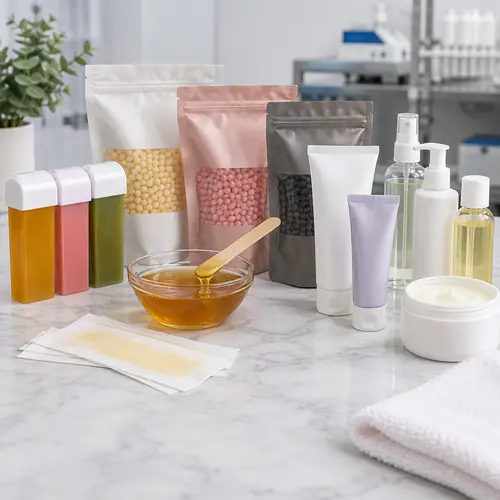
ODM Manufacturing Considerations
Sample confirmation should end with a written approval record, not an informal message saying the product looks acceptable. Buyers should identify the approved sample code, formulation revision, color, fragrance, fill weight, container components, printed artwork, and test method used during review. Keep one sealed reference sample with the buyer and one with the supplier. The production batch should be compared against those references before shipment, with agreed tolerances for appearance, texture, odor, and net content.
Formula customization should begin with measurable priorities. For depilatory cream, define the target consistency, application behavior, odor profile, removal time range, and intended body area. For hard wax or sugar wax, specify the working temperature, spread, flexibility after cooling, and residue expectations. A request for a more dramatic color or unusually elastic texture may help social content, but it can also affect staining, fragrance load, application behavior, or stability. Buyers should therefore approve both the camera appearance and normal consumer use before finalizing the formulation.
Packaging should be reviewed as a complete system rather than as separate components. The supplier should test the filled product with the selected bottle, tube, cartridge, jar, cap, liner, label stock, adhesive, and outer carton. Ask whether the pack remains functional after warm and cold storage, handling, and simulated shipment. Changes to resin, decoration, cap supplier, pouch film, or label adhesive should trigger a documented recheck because apparently similar components may behave differently.
Stability review should cover appearance, odor, texture, phase uniformity, pack distortion, product loss, and opening performance at defined checkpoints. The review plan should reflect the expected sales regions and shipping route. A product moving through hot ports or unconditioned warehouses may need more demanding transport evaluation than one sold through a controlled local channel. Irritation-risk review should also consider fragrance, intended contact time, body-area restrictions, warning language, and consumer patch-test instructions.
MOQ discussions should separate the formula minimum, filling minimum, printed-packaging minimum, and carton minimum. A supplier may accept a small filling run while the decorated component vendor requires a larger quantity. Request a transparent bill of materials showing product, packaging, printing, assembly, testing, freight assumptions, and unused component exposure. Buyers comparing OEM and ODM service options should also confirm which customization steps create new minimums or fees.
Before approval, request the ingredient list, product specification, batch identification format, safety and quality records relevant to the destination market, label copy support, warning statements, and packing list format. Shipment terms should define carton quantity, pallet requirements, temperature concerns, freight mode, destination responsibilities, and treatment of damaged or leaking goods. For U.S. distribution, brand owners should review applicable responsibilities under the Modernization of Cosmetics Regulation Act of 2022 rather than assuming the factory handles every obligation.

Common Problems or Failure Cases
Wax brittleness often appears when an approved sample is tested only at one room temperature. The wax may perform well during review but crack, fragment, or lose flexibility after storage in a cooler market. Buyers should compare spread, breakage, residue, and removal behavior across realistic use conditions.
Strip adhesion loss can result from product migration, unsuitable pouch material, storage exposure, or inconsistent coating weight. Warning signs include dry edges, uneven grip, premature lifting, and adhesive transfer to the skin. Cream separation may show as liquid release, graininess, color drift, or inconsistent dispensing. These defects should be evaluated at multiple sample checkpoints, not hidden by shaking or remixing before inspection.
Cartridge leakage can originate at the roller fit, neck finish, cap engagement, or filling level. Test units in upright, horizontal, and inverted positions, then inspect cartons for staining after transport simulation. Packaging deformation may also interfere with cap removal, label appearance, or accurate application even when no product escapes.
Fragrance sensitivity is another frequent approval gap. A stronger scent may mask the base odor during a short sample review but become unpleasant during full application or increase consumer complaints. Evaluate fragrance at the intended use amount and contact time, and keep an unscented or lower-fragrance option available when the target audience is sensitivity-conscious.

Supplier Checklist
- Is every sample identified by formula code, date, and revision?
- Are target texture, color, odor, working temperature or consistency, and use time written as approval criteria?
- Can the supplier explain which changes are custom and which rely on an existing base?
- Does testing use the actual filled package and printed components?
- Are warm, cold, transport, leakage, and deformation observations documented?
- Are irritation risks, warnings, patch-test directions, and restricted body areas reviewed?
- Are formula, filling, and packaging MOQs listed separately?
- Does the quotation show materials, decoration, testing, assembly, and estimated logistics without unexplained charges?
- Can the supplier provide ingredient, specification, batch, label, packing, and shipment documentation?
- Is there a defined comparison between the approved sample and the production batch?
- Are scale-up capacity, lead-time assumptions, and order-priority rules stated in writing?
- Does the supplier provide clear contacts for technical review, artwork, production, and shipment issues?
Buyers can use this checklist alongside the supplier’s manufacturing process and the relevant hair-removal product categories before requesting a final quotation.
FAQ
How can I reduce the risk of a factory copying my idea or formula?
Use a mutual confidentiality agreement, limit disclosure to necessary information, and define ownership of custom work, packaging artwork, molds, and test results in the development contract. Ask whether the sample is based on a shared stock formula or a buyer-exclusive revision. Confidentiality reduces risk, but clear ownership records and controlled file access are equally important.
Can the sample deliver a dramatic texture or color on camera?
Often, but approval should include both controlled filming and normal application. Record the lighting, temperature, application amount, and time after dispensing. Confirm that visual intensity does not create staining, brittleness, poor removal, or packaging problems. A visually distinctive prototype is useful only when repeatable in production.
Can any supplier guarantee that consumers will never have a bad reaction?
No. A responsible supplier can reduce risk through ingredient review, controlled production, batch checks, appropriate testing, traceability, warnings, and clear directions, but cannot promise zero reactions. Buyers should reject absolute safety claims and confirm a complaint, investigation, and recall-handling process before launch.
How do I communicate marketing goals if I do not understand ingredients?
Describe the user experience in observable terms: dispensing style, spread, scent strength, color, working time, removal behavior, residue, and camera appearance. A capable project contact should translate those goals into sample criteria, explain tradeoffs plainly, and document decisions without requiring the buyer to speak like a product developer.
What happens if a video creates a sudden order spike?
Ask for monthly capacity by product and filling line, material lead times, surge-order rules, and the deposit point that reserves production. Confirm whether larger customers can displace scheduled orders. Forecast sharing and reserved packaging inventory may shorten response time, but both create financial commitments that should be stated clearly.
Are cosmetics approved by the FDA before sale in the United States?
Generally, cosmetic products and ingredients are not subject to FDA premarket approval, apart from color additives where applicable. The responsible parties still have legal duties for product safety, labeling, and applicable reporting and registration requirements. Buyers should verify current requirements for their specific product and business role.