Direct Answer
An effective Amazon hair removal product line should be organized around distinct customer jobs, not minor variations of the same formula. Start with one primary removal format, such as depilatory cream, wax strips, sugar wax, or roll-on wax, then add a complementary aftercare product. Each SKU needs a clear treatment area, user profile, application method, and reason to exist.
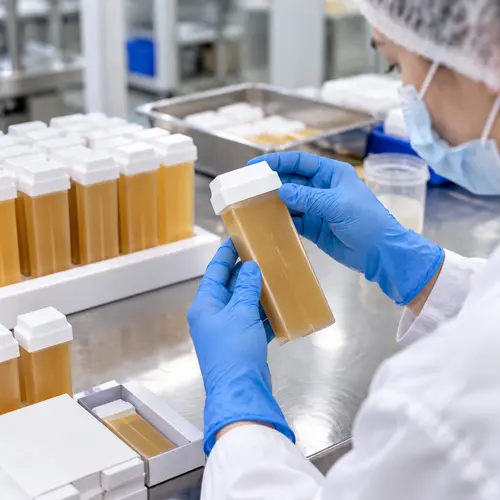
For a creator-led launch, the strongest starting range is usually two or three products: a visually demonstrable hero SKU, a lower-friction alternative, and an aftercare companion. Before approving production, verify texture on camera, formula performance, irritation risk, packaging compatibility, storage behavior, labeling files, and shipment conditions. A specialized hair removal OEM manufacturer can use existing formula platforms to move from concept to samples quickly, while a documented hair removal manufacturing process keeps the approved sample aligned with mass production.
Key Takeaways for Private Label Buyers
- Assign one use case to each SKU. Separate body cream, facial formats, wax products, and post-removal care instead of stretching one product across every area.
- Choose the hero demonstration early. Cream breakdown, sugar wax pull, strip removal, and roll-on application create different short-form content moments.
- Approve measurable product standards. Record appearance, odor, viscosity or melting range, application weight, removal time, residue, and packaging output.
- Test the product inside its final pack. Formula approval alone does not reveal cartridge leakage, tube distortion, closure failure, or wax migration.
- Review claims by destination market. Amazon copy, carton text, ingredients, warnings, and responsible-party information should be checked before artwork is locked.
- Plan the second production run before launch. Confirm component lead times, retained capacity, and reorder quantities before creator content goes live.
Buyer Context
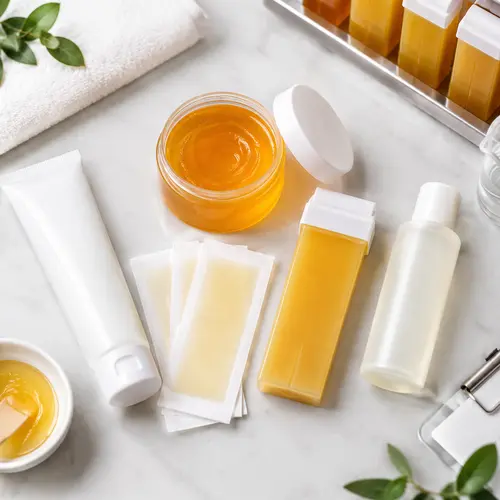
Hair removal is not one undifferentiated cosmetic category. A shopper choosing a shower-friendly depilatory cream has different expectations from someone buying facial wax strips, a salon-style sugar wax jar, or roll-on cartridges. Combining these audiences under vague language such as ‘for all hair and all areas’ weakens the listing and can increase misuse, poor reviews, and returns.
Build the range from a use-case matrix. Define the treatment area, hair type, experience level, preparation, application time, cleanup method, and aftercare need for each concept. A body cream may prioritize even spreading and controlled removal. Facial strips need consistent adhesive distribution and clean separation. Sugar wax depends on workable texture across realistic room temperatures. Roll-on wax requires steady flow through the head without leaking during storage or export.
This structure also makes content production easier. A founder can give each product one recognizable visual behavior and one concise promise without forcing unsupported claims. Buyers comparing private label depilatory cream, private label waxing products, and after wax care products should request samples as a coordinated range, not as isolated formulas.
Sampling speed matters when content and inventory must share a launch date. A 7-day initial sample target can support early camera tests, while production planning should still allow enough time for compatibility, stability, and shipment review. PZIK supports pilot runs from 1,000 units and targets a formulation-to-shelf cycle under 30 days for suitable projects. Those targets should be confirmed against formula changes, custom components, artwork readiness, and destination-market requirements.
Technical and Packaging Factors
Formula Performance
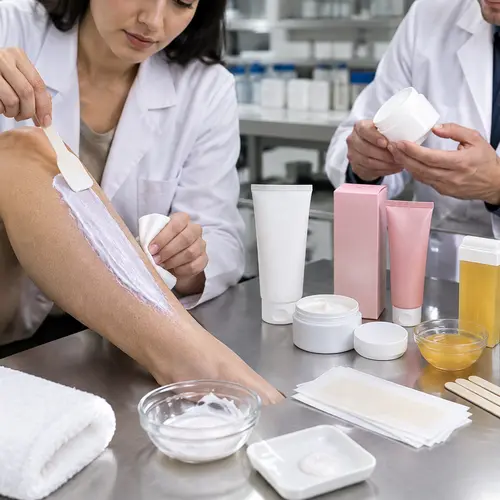
Evaluate performance under the actual instructions proposed for the listing. For a cream, check spread, coverage, dwell-time window, removal consistency, odor, rinse behavior, and skin feel. The product should remain where applied rather than running, yet dispense without excessive force. A mild hair removal formula still requires an irritation-risk review, clear patch-test directions, and defensible claims.
For wax and sugar wax, define the usable temperature range, pickup, pull behavior, residue, brittleness, and reheating response. Wax strips should be checked for adhesive transfer, backing separation, grip-tab usability, and performance after aging. Roll-on cartridges need consistent output at the intended working temperature. Ask the supplier to record measurable acceptance limits instead of approving samples through descriptive terms such as ‘soft’ or ‘strong.’
Pack Compatibility and Shipping
The final formula and pack must be evaluated together. Depilatory cream can interact with tubes, seals, pumps, inks, or closure liners. Heated wax can expose weak seams or dimensional changes. Roll-on cartridges may pass an upright desk test but leak after side storage, vibration, or temperature shifts. Review hot, cold, room-temperature, and transport-stress samples, then inspect weight loss, odor change, discoloration, deformation, seepage, and dispensing.
Request the complete sample scope in writing: bulk formula, filled unit, decorated unit, component options, testing units, revision rounds, and approval sample. The BOM should separate formula, primary pack, decoration, carton, inserts, assembly, and export packing. This helps a creator-led seller understand which visual choices affect cost and timing before approving a custom logo treatment.
Safety, Claims, and Listing Readiness
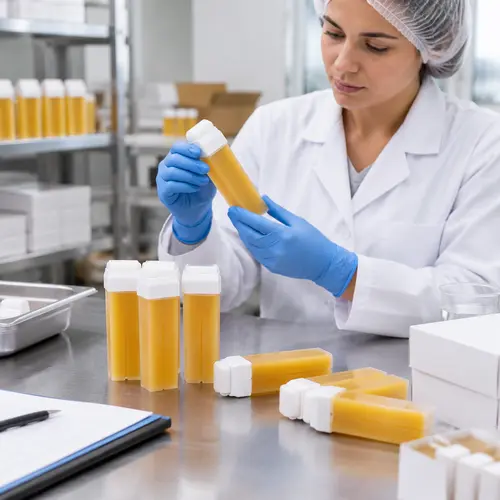
Hair-removal products require precise directions and warnings because treatment area, exposure time, temperature, and repeat use affect risk. Review the ingredient list, product identity, net contents, batch coding, responsible-party details, directions, warnings, and claim support for every target market. Consult FDA cosmetics guidance for the United States and the UK SCPN cosmetic notification protocol for Great Britain. A cruelty-free position should be mapped against the Leaping Bunny certification standard before logos or certification language appears on packaging.
Ask the ODM which documents are included, who reviews Amazon-facing copy, and what changes trigger another assessment. PZIK runs product development and market documentation in parallel, with MoCRA, CPNP, and FDA-aligned files included as a standard project output. Buyers can compare this scope through the hair removal OEM ODM services overview and submit the exact market, pack, and sample requirements through a hair removal product RFQ.
Decision Framework
| Factor | What to Check | Why It Matters | ODM Buyer Note |
|---|---|---|---|
| Use case | Body area, hair type, user skill, preparation, and cleanup | Creates clear listing differentiation and safer directions | Reject concepts that rely on one formula for every area |
| Formula | Texture, odor, application, removal, residue, and measurable range | Controls consumer experience and camera presentation | Approve a signed reference sample and written specification |
| Packaging | Dispensing, closure, seal, decoration, and formula contact materials | Reduces leakage, deformation, and inconsistent dosing | Test decorated production-intent packs, not generic lab jars |
| Storage | Heat, cold, room-temperature, side storage, and vibration | Reveals changes likely during warehousing and export | Define inspection points and acceptance limits before filling |
| Safety and labels | Ingredients, warnings, directions, claims, batch code, and market files | Supports compliant listings and informed customer use | Lock reviewed text before printing cartons |
| Launch scale | MOQ, samples, component lead time, reorder plan, and reserved capacity | Connects content timing with available inventory | Model both the pilot order and a rapid replenishment scenario |
ODM Manufacturing Considerations
A workable OEM/ODM project turns a use case into a product brief that a seller and manufacturing team can both evaluate. Specify the body area, hair type and removal format, intended user, expected application and removal experience, fragrance direction, package size, target market, and target landed cost. For example, a face wax strip has different handling and sensitivity considerations from a body wax tub; a depilatory cream needs a clear application and removal routine that fits the intended use.
Agree on what a sample is meant to confirm. A sample round may assess spread, grip, residue, removal feel, scent strength, color, or the visual character shown in social content. Record acceptable ranges or reference samples and identify which changes require another approval. A dramatic-looking texture can help a product stand out on camera, but it must remain usable and consistent in the final pack. Ask the supplier to explain which visual features are repeatable at production scale and which may vary by batch.
Formula customization should be bounded by the product’s purpose and the target user. Request an ingredient list and a documented review of foreseeable irritation risks, especially for products intended for the face or sensitive areas. Do not treat a successful sample on one person as evidence that every customer will tolerate the product. Set instructions for a patch test where appropriate, and agree on how complaints and adverse reactions will be recorded and escalated.
Packaging compatibility is a joint decision, not a late-stage artwork task. Confirm that the chosen container, closure, liner, and applicator suit the formula and expected use. Evaluate wax strips for adhesion and clean release, tubs for secure closure, creams for controlled dispensing, and roll-on wax cartridges for reliable flow without leakage. Check that the logo, net contents, directions, warnings, ingredient declaration, batch identification, and market-specific details fit the actual label area.
Ask for a stability review plan matched to the product and pack. It should cover relevant warm and cool storage, appearance, odor, separation, texture or viscosity, closure condition, and functional use after storage. Establish shipment conditions in writing, including temperature-sensitive handling where needed, carton protection, and any limits on exposure during transit. A product that arrives with cracked wax, separated cream, softened strips, or deformed packaging can create returns even when the factory sample looked acceptable.
Clarify the MOQ by formula, scent, size, and packaging configuration; these may each affect the production minimum. Ask what is included in the sample scope and whether component sourcing, artwork setup, testing, or freight is quoted separately. Request a dated quote with line items and a realistic production and export schedule. Before manufacturing, approve the final formula specification, packaging components, artwork, labeling documents, inspection criteria, and shipment plan.
Common Problems or Failure Cases
Wax brittleness: Wax that cracks during application or removal may have an unsuitable texture for the intended temperature or use. Assess how it spreads, sets, and removes under expected conditions, then compare the production batch with the signed reference. For sugar wax and other temperature-sensitive waxes, confirm the usable range and the instructions that will reach the customer.
Strip adhesion loss: Strips can lose grip after storage or shipment, or adhere unevenly to the wax. Review adhesion after aging and after the expected shipping conditions, not only on a freshly packed sample. Define acceptable release and residue behavior so the factory and seller are evaluating the same outcome.
Cream separation: Changes in appearance, odor, or viscosity can make a cream difficult to dispense and undermine buyer confidence. Review samples after storage and check that the product remains uniform and usable. If separation appears, pause approval and ask the supplier to investigate the batch and packaging together rather than treating the issue as cosmetic.
Cartridge leakage or packaging deformation: A roll-on cartridge may leak at the closure, while heat or pressure can deform other packs in transit. Inspect filled units after storage and shipment simulation, including orientation and closure condition. Agree how damaged units are sampled, recorded, and handled before the order ships.
Fragrance sensitivity or unclear directions: A strong fragrance can be poorly received, and vague directions may encourage longer contact or use on an unsuitable area. Review scent strength with the intended audience, confirm ingredient and warning text, and make the directions easy to follow. Avoid claims or usage instructions that have not been substantiated for the product.
Supplier Checklist
- Can the supplier translate a defined hair-removal use case into a written product specification?
- Does each sample round identify the formula, scent, pack, evaluation criteria, and approval owner?
- Can the supplier document texture or viscosity targets and, for wax, relevant melting or usable-temperature ranges?
- Is there an irritation-risk review appropriate to the intended body area, with clear limits on what the product is designed to do?
- Have the filled pack and closure been assessed for compatibility, dispensing, adhesion, leakage, and deformation?
- Does the stability review cover relevant storage conditions and product appearance, odor, texture, and function?
- Are MOQ, sample scope, component costs, artwork charges, freight, and shipment conditions itemized in writing?
- Can the supplier provide the ingredient declaration, directions, warnings, batch information, and other labeling documents needed for the target market?
- Are inspection criteria, defect handling, change approval, and responsibilities for shipment damage agreed before production?
For a new seller, compare suppliers against the same brief and sample criteria. A clear discussion of tradeoffs, document gaps, and production constraints is more useful than a promise that every idea can be made exactly as imagined.
FAQ
Can a factory take my product idea or formula and sell it to another brand?
Ask for a written confidentiality and intellectual-property agreement before sharing sensitive material. Define ownership of any buyer-supplied formula, artwork, brand assets, and project-specific developments, and specify whether exclusivity applies to a formula, market, or product configuration. Have counsel review the terms for the relevant jurisdictions; a verbal assurance alone is difficult to enforce.
Can a sample match the bold texture and color I want to show on camera?
It may be possible, but agree on a reference sample, color tolerance, texture criteria, and the conditions under which the product will be filmed. Ask the supplier to confirm that the appearance can be reproduced in the selected formula and pack at production scale. Approve a production-equivalent sample before committing to the final run.
How can I reduce the risk of a customer reaction damaging my brand?
No supplier can guarantee that a cosmetic product will be suitable for every person. Request ingredient and safety documentation, a risk review for the intended use, clear directions and warnings, and a process for tracing batches and handling complaints. Make sure the label does not imply a universal or risk-free result.
What should I send if I do not know how to describe the formula technically?
Describe the customer, body area, removal format, desired feel, scent, visual reference, price position, and content concept. Share examples of what should and should not happen during application and removal. A capable contract manufacturer should help translate that brief into testable sample criteria and explain tradeoffs in plain language.
What happens if a social video causes a sudden spike in orders?
Ask in advance how capacity is allocated, what lead-time assumptions apply, and which raw materials or packaging components could constrain a repeat order. Agree on forecast updates and escalation contacts, but do not assume capacity is reserved unless the supplier confirms it in writing. Keep a realistic inventory buffer based on the product’s storage and shelf-life requirements.
Which market documents should I request before listing?
Request the ingredient declaration, label artwork, directions, warnings, batch traceability details, and available product safety or quality records for the target market. Requirements vary by destination and product claims. For UK sales, review the UK SCPN cosmetic notification protocol and confirm who is responsible for required submissions and supporting records.
References
- UK government guidance on submitting a cosmetic product notification
- U.S. FDA cosmetics information
- Leaping Bunny cruelty-free certification standard