Direct Answer
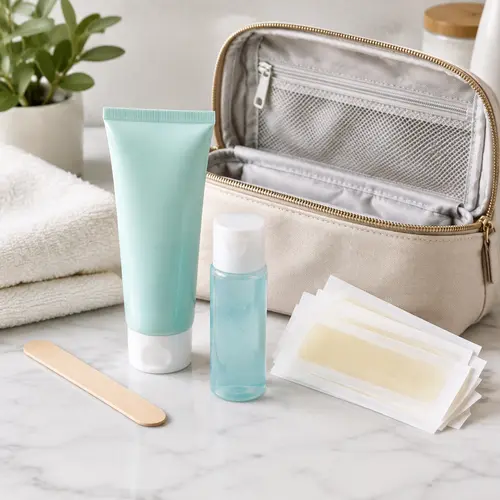
To build a strong travel hair removal kit, pair one primary removal SKU with one immediate aftercare SKU and design both around the same use occasion. A practical starting architecture is a travel-size depilatory cream or wax strip set, followed by a soothing gel or lightweight after-wax lotion. The kit should be compact, leak-resistant, easy to explain on camera, and suitable for the storage conditions customers will face in luggage, bathrooms, and subscription boxes.
For private-label founders, the main decision is not simply which formula to miniaturize. It is how removal performance, skin comfort, packaging compatibility, instructions, and shipment conditions work together. Travel size hair removal products need enough product for a clear result without creating excess bulk. They also need a sample plan that lets the brand review texture, scent, spread, adhesion, residue, and visual presentation before committing to a larger run. A specialist ODM can usually develop the removal and aftercare pair in parallel, helping the launch move from concept to shelf in a shorter window.
Key Takeaways for Private Label Buyers
- Start with one use case. Choose a clear scenario such as weekend travel, post-gym grooming, beach trips, or subscription-box discovery.
- Match removal and recovery. A cream, wax strip, sugar wax, or roll-on wax SKU should be paired with aftercare that addresses residue, dryness, or temporary tightness.
- Test the complete pack. Review the formula, closure, seal, label adhesion, carton fit, and leakage risk as one system rather than separate components.
- Define the sample scope early. Confirm whether samples include final fragrance, color, applicators, printed packaging, and the intended fill volume.
- Plan for real transport. Heat, cold, vibration, compression, and storage time can change viscosity, wax behavior, adhesion, or dispensing.
- Protect the launch window. Select an ODM that can keep the approved formula unchanged when moving from pilot production to larger manufacturing quantities.
hair removal OEM ODM services can be useful when the brand needs one partner to coordinate formula selection, sampling, packaging, and production documentation.
Buyer Context
Travel kits look simple to consumers, but they combine several demanding decisions for the buyer. A depilatory cream must spread evenly in a small tube and remain stable in changing temperatures. Wax strips must maintain consistent adhesion without becoming difficult to separate or leaving excessive residue. Sugar wax needs a controlled texture that remains workable without turning runny in warm conditions. Roll-on wax cartridges require close attention to roller movement, cap sealing, and leakage during shipment. Aftercare products must feel comfortable after removal while fitting inside the same compact pack architecture.
This matters because travel kits are often purchased without a long product education journey. The customer may discover the product through a creator video, a hotel amenity concept, a subscription box, or a retail display. The result has to be understandable within seconds: what area it is for, how much to use, how long to leave it on when relevant, and what to apply afterward. A visually distinctive formula can help a live demonstration, but visual appeal cannot replace clear use instructions or an irritation-risk review.
For a creator-led brand, the kit can also act as a controlled entry point into a broader cosmetics range. One removal SKU creates the performance story; the aftercare SKU creates the repeat-use and routine story. Buyers can review adjacent options through a hair removal product solutions brief or compare a depilatory cream OEM route with a wax-strip format before finalizing the assortment.
Technical and Packaging Factors
1. Formula behavior in a small format
Miniaturization changes how the formula is used. A smaller tube may require a narrower nozzle, while a single-use wax strip may need enough surface area to deliver a complete application. During sampling, assess spread, removal feel, residue, scent intensity, and the amount required per use. For a cream, confirm that the product dispenses cleanly after storage and does not separate visibly. For wax, review melting behavior, pull strength, flexibility, and whether the product remains workable after temperature changes. If the concept uses a cosmetically distinctive texture, ask the facility to demonstrate it under normal bathroom lighting as well as studio lighting.
2. Compatibility between formula and pack
The formula should be reviewed with the actual tube, sachet, jar, cartridge, strip backing, cap, and label stock intended for production. Depilatory cream can interact with unsuitable materials or weaken adhesives over time. Wax may soften, migrate, or create oily marks if the inner film and seal are not selected correctly. Roll-on wax needs a cartridge and roller assembly that dispense smoothly without pressure build-up or cap leakage. Aftercare gel and lotion require closures that prevent mess in luggage while still allowing a controlled dose.
Ask for a packaging compatibility review that covers odor change, color change, seal integrity, label lifting, surface staining, and dispensing performance. The buyer should also confirm whether the final packaging has been checked in both upright and horizontal storage positions. These details are especially important when the kit will be sold through wax strips OEM development or as a mixed-format travel assortment.
3. Storage and shipment conditions
Travel products may pass through warm warehouses, cold trucks, aircraft holds, and humid bathrooms. Define the expected storage range and shipment route before approving the final pack. A supplier should explain how heat and cold exposure may affect viscosity, wax hardness, strip adhesion, fragrance release, and aftercare texture. Leakage checks should include the filled container, not only an empty package. For wax, inspect softening, surface oiling, and separation from the backing. For cream, check nozzle blockage and cap cleanliness after repeated opening.
Stability testing should be planned around the actual formula and package combination. The buyer should receive a clear record of sample conditions, observations, packaging changes, and release criteria. Intertek’s regulatory testing and certification services can provide useful external context when the brand needs independent testing support. For product claims and market labeling, review the FDA cosmetics guidance and confirm whether any color or ingredient requires additional review in the target market. The FDA color additive permitted-use database is relevant when the kit uses colored wax, tinted cream, or a visibly colored aftercare product.
Decision Framework Table
| Factor | What to Check | Why It Matters | ODM Buyer Note |
|---|---|---|---|
| Removal format | Cream, strip, sugar wax, hot wax, or roll-on behavior during use | Determines the kit instruction flow, pack size, and customer learning curve | Request two or three formats only if the same target use case remains clear |
| Formula texture | Spread, adhesion, residue, scent, color, and dispensing consistency | Influences perceived quality and short-form video performance | Approve texture from filled production-intent samples, not a loose lab jar |
| Aftercare pairing | Gel, lotion, oil-removing wipe, or soothing cream feel after removal | Completes the routine and can reduce complaints about dryness or residue | Keep the aftercare finish compatible with the removal format and target skin area |
| Packaging compatibility | Seal, closure, film, tube, cartridge, label, and carton interaction | Reduces leakage, staining, separation, and dispensing failures | Test the final filled pack in upright and horizontal positions |
| Storage and shipment | Heat, cold, vibration, compression, and expected transit duration | Travel kits face more environmental variation than home-use packs | Define shipment conditions before locking wax hardness or cream viscosity |
| Sampling and scale | Sample quantity, final artwork, pilot quantity, and repeatability | Prevents a gap between approved sample and launch production | Ask whether the same formula and components can move from a 1,000-unit pilot to larger volumes |
ODM Manufacturing Considerations
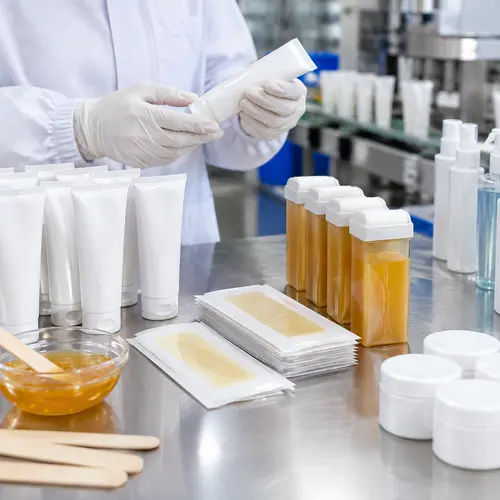
The most efficient project plan treats the kit as one launch unit rather than two unrelated products. The removal formula, aftercare formula, packaging, artwork, instructions, and testing schedule should be reviewed together. A supplier should provide a sample timeline, a component list, an estimated minimum order quantity, and a clear explanation of which elements are standard and which require customization.
PZIK’s operating model is suited to founders testing a social-first concept: pilot runs can begin from 1,000 units, while the formulation-to-shelf target can be compressed to under 30 days when the selected base, components, and documentation are available. A seven-day sample target may be realistic for certain existing formulas, but final timing depends on fragrance, color, packaging, testing scope, and artwork approval. Buyers should verify the exact scope in writing through a request a hair removal product quote brief.
Before approval, review the hair removal manufacturing process, ask for the post-depilation care OEM options, and compare whether a hair inhibitor serum OEM is appropriate for a later expansion rather than the first travel kit. For a sensitive-positioning concept, also request a review of sensitive skin hair removal products and the related irritation-risk documentation.
Next-Step Buyer Checklist
- Write the target travel scenario and intended body area before choosing the removal format.
- Request filled samples with the intended closure, label, seal, and carton.
- Record formula texture, scent, residue, adhesion, dispensing, and aftercare feel during use.
- Confirm storage, leakage, heat, cold, and shipment checks for the completed kit.
- Ask for ingredient, labeling, batch, stability, and market documentation required for the launch country.
- Confirm pilot quantity, scale-up path, lead time, and whether the approved formula remains unchanged.
ODM Manufacturing Considerations
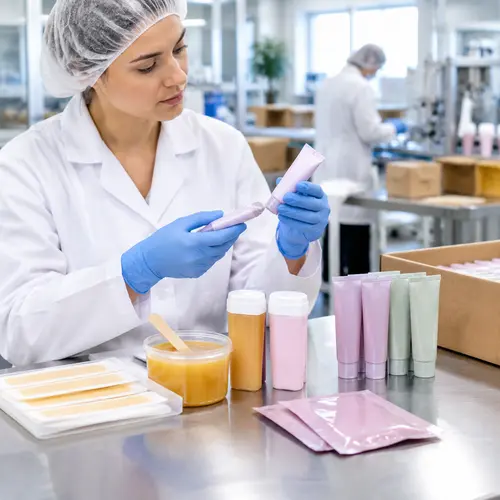
A dependable ODM project begins with a controlled sample approval process rather than a broad request for a travel size hair removal products range. Confirm each SKU separately: depilatory cream, wax strips, sugar wax, roll-on wax cartridge, and aftercare. The approved sample should record appearance, color, fragrance level, texture, application behavior, removal performance, residue, and package fill weight. Keep a signed or digitally dated approval record so later production can be compared with the accepted reference.
For formula customization, describe the consumer experience in practical terms. A private-label buyer may want a cream that spreads cleanly in a narrow tube, a sugar wax that remains workable during travel, or an aftercare gel that absorbs without leaving a slippery film. The factory should translate those requirements into measurable checks such as viscosity range, wax melting behavior, set time, strip pull performance, and acceptable color variation. Ask whether the requested change uses an existing base or requires a new development route, because the cost, sample timing, and documentation can differ.
Packaging compatibility must be reviewed with the actual formula and the intended shipping position. Check whether a depilatory cream softens the tube shoulder, whether oil-rich aftercare affects the cap liner, and whether a roll-on cartridge remains sealed after repeated handling. For wax strips, inspect pouch seals and confirm that the strip material does not lose adhesion under warm storage. Packaging samples should be filled, closed, stored, and opened repeatedly before final approval. Review both upright and horizontal shipment conditions, especially for kits placed inside compact travel pouches.
Stability review should reflect real market conditions. Request observations after heat and cold exposure, including separation, hardening, sweating, fragrance change, color drift, seal failure, and applicator blockage. For wax products, document softening or brittleness at the temperature range expected in warehouses and delivery vehicles. For cream and aftercare products, record changes in viscosity, emulsion appearance, odor, and dispensing behavior. These checks do not eliminate every risk, but they make the product limitations visible before a launch.
Confirm the MOQ and sample scope in writing. Ask whether the quoted minimum applies per formula, per fragrance, per color, per package, or per finished kit. Clarify which sample rounds are included and which changes create additional charges. A transparent BOM should identify the formula, container, closure, label, carton, insert, filling, assembly, testing, and freight assumptions. This helps prevent a low initial quote from becoming a higher landed cost later.
Labeling documents should match the destination market and the final formula. Request the ingredient declaration, net contents, batch or lot marking method, shelf-life or period-after-opening guidance where applicable, usage directions, warnings, storage instructions, and packaging material details. Buyers should also verify that colorants and cosmetic ingredients are suitable for the intended market. The FDA information for cosmetics and FDA color additive permitted-use database are useful reference points for products sold in the United States.
Shipment conditions should be agreed before production. Specify acceptable temperature exposure, carton orientation, pallet or case configuration, protection for wax cartridges, and the inspection point for transit damage. If the product may soften, freeze, separate, or leak during transport, the supplier should state the recommended shipping conditions rather than treating every route as equivalent. A buyer can also request retained samples from the shipped lot for comparison after delivery.
For a broader supplier review, buyers may use WXMO OEM and ODM services, the manufacturing process overview, and the RFQ and contact page as examples of the information a factory should make available during project planning.
Common Problems or Failure Cases
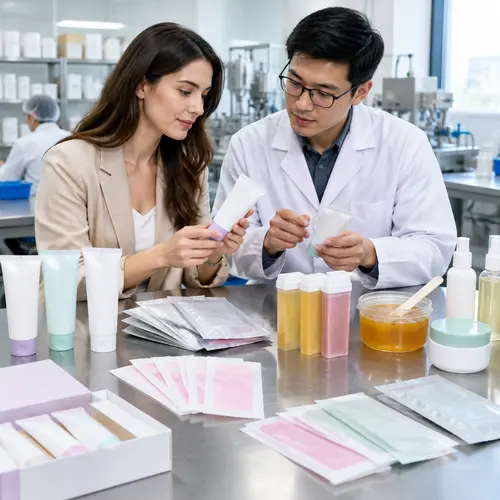
Wax brittleness: A sugar wax or solid wax can become too hard to spread after cool storage. This may cause excessive pulling, broken application layers, or poor hair removal. Compare the product at room temperature and after cold exposure, then document the workable range and warming instructions.
Strip adhesion loss: Wax strips may lose performance when exposed to heat, humidity, or unsuitable pouch materials. Check whether the strip separates cleanly, retains an even wax layer, and removes without excessive residue. Test samples from different positions in the carton instead of inspecting only one pair.
Cream separation: A depilatory cream may show oiling, watery leakage, graininess, or uneven color after storage. Confirm fill consistency and examine the first, middle, and final units from a production run. Buyers should not approve a cream based only on appearance immediately after filling.
Cartridge leakage: Roll-on wax cartridges can leak around the roller head, cap, or seal when stored horizontally or exposed to heat. Inspect filled cartridges after vibration, position changes, and temperature exposure. Also check whether the roller still turns smoothly and delivers a consistent layer.
Fragrance sensitivity: A strong fragrance can become a consumer complaint even when the removal result is acceptable. Review the scent on application and after rinsing, and ask for an unscented or lower-fragrance option where appropriate. The aftercare SKU should not create a sharp contrast with the removal product.
Packaging deformation: Thin tubes, pouches, or plastic cartridges may dent, swell, warp, or lose seal pressure during transit. Inspect finished kits after carton packing and shipment simulation. Deformation can also change how much product is dispensed, so the package should be evaluated as part of the user experience rather than as a separate component.
Supplier Checklist
- Can the supplier provide retained samples and a dated approval record for every SKU?
- Does the sample brief define texture, color, fragrance, viscosity, melting or softening behavior, application time, and removal result?
- Will the supplier explain whether the formula is an existing base, a customized base, or a new development?
- Has the exact formula been checked against the tube, pouch, strip wrapper, cartridge, cap, liner, and carton?
- Are heat, cold, position, leakage, seal, and dispensing checks performed on filled packages?
- Does the quote separate formula, packaging, filling, assembly, documentation, testing, and freight assumptions?
- Are ingredient declarations, warnings, directions, batch marking, net contents, and storage instructions available before artwork approval?
- Can the supplier provide a clear sample and production schedule that matches the planned content launch?
- Is there a defined inspection method for color, texture, fill weight, seal quality, leakage, and kit assembly?
- Does the factory explain capacity allocation and how it handles a sudden increase in demand?
- Are intellectual property, formula ownership, confidentiality, and approval rights covered in the manufacturing contract?
FAQ
Could a Chinese OEM factory copy my concept or formula and sell it to another brand?
No supplier can remove this risk through a verbal promise. Use a written confidentiality and ownership agreement, identify which formulas and artwork belong to your brand, and limit production records and access to the approved project team. Ask whether the formula is exclusive, semi-exclusive, or a standard base used for multiple customers. Keep dated samples, briefs, and approval records so the commercial agreement is supported by clear project evidence.
Can the sample texture and color deliver an exaggerated look on camera?
They can be optimized, but visual impact must be balanced with workable application and acceptable skin feel. Ask for controlled sample variations in color intensity, gloss, opacity, wax appearance, or cream texture. Review the product under the lighting used for live content and short-form video, then select the final version only after checking removal performance, residue, and package stability.
How can I reduce the risk of a product causing severe consumer complaints?
Require documented raw-material review, batch testing, retained samples, usage directions, warning language, and a defined release inspection. Conduct an irritation-risk review for the intended body area and avoid unsupported claims about suitability for sensitive skin. The supplier should also explain complaint handling, lot traceability, and what happens if a batch fails appearance, texture, fill, seal, or leakage checks. No factory can promise zero adverse reactions, so responsible instructions and controlled release decisions matter.
I do not understand cosmetic ingredients. Can the supplier understand social-media marketing requirements?
A good technical contact should convert marketing language into product specifications. Instead of asking for a product that looks dramatic, describe the desired camera effect, application speed, color visibility, texture movement, fragrance strength, and cleanup experience. Ask the supplier to return a short written brief with measurable acceptance points. If the contact cannot explain tradeoffs in plain English, add an independent technical reviewer before approving the sample.
What if a video goes viral and demand suddenly increases?
Discuss capacity allocation before launch, including available filling lines, packaging lead times, labor for kit assembly, and the method for prioritizing repeat orders. Ask whether the factory can reserve materials or offer a staged production plan without changing the approved formula and pack. A written escalation plan is more useful than a general promise that the facility can scale.
What should I verify before approving the first shipment?
Compare production units with the approved sample for color, texture, fragrance, fill weight, dispensing, removal result, and aftercare feel. Inspect seals, caps, pouches, cartridges, cartons, lot marking, and shipping cases. Review the final labeling documents and confirm that the shipment conditions match the product limitations. Retain units from the shipment so future complaints can be compared with the released lot.
References
- FDA information for cosmetics
- FDA color additive permitted-use database
- Intertek regulatory testing and certification services for cosmetics