Direct Answer
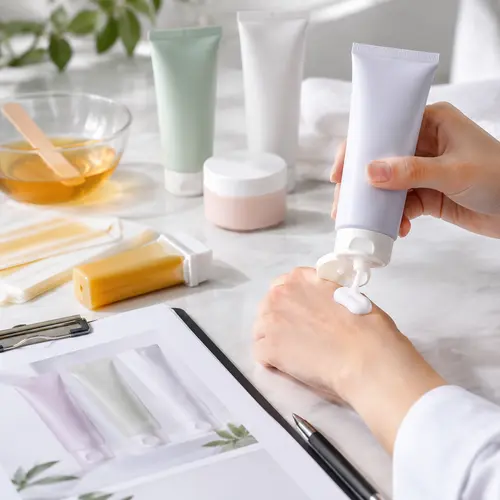
For most new brands, launch with 1 to 3 SKUs: one hero product, one complementary format, and one aftercare or bundle option. A focused hair removal product line gives a creator-led brand enough range to test demand without splitting inventory, content, packaging, and quality checks across too many items.
The right opening set depends on your audience, target market, and content concept. A depilatory cream may be the simplest hero SKU for broad home use. Wax strips or sugar wax can create stronger demonstration content. A soothing gel or post-depilation lotion can increase basket value and support the user experience. The practical rule is simple: every launch SKU should have a distinct job. If two products serve the same use case, delay one until sales data proves the need.
For a social-first brand, speed matters, but speed without control creates expensive returns. Start with a small, clearly defined assortment, validate formula feel and packaging compatibility through samples, then expand from the product that earns the most repeat attention.
Key Takeaways for Private Label Buyers
- Choose one hero removal format before adding variants. A clear use case makes creator content easier to understand and measure.
- Match the formula to the audience. Review cream viscosity, wax melting behavior, strip adhesion, and irritation risk before approving a mass-production sample.
- Use packaging as part of the product decision. Test tubes, jars, sachets, roll-on cartridges, and wax strip pouches for leakage, seal integrity, and transit durability.
- Build testing into the launch calendar. Include stability review, heat and cold storage checks, compatibility checks, and sample performance review before committing to inventory.
- Ask for a transparent scope. Confirm sample quantity, revision rounds, label documents, packaging options, MOQ, lead time, and shipment conditions in writing.
- Reserve line extensions for evidence. Add sensitive-skin, travel-size, scent, or body-area variants only when customer feedback supports them.
Buyer Context
SKU count is a commercial decision, but it is also a manufacturing decision. Each additional item can require a different formula, fill weight, container, artwork file, label review, stability plan, and production schedule. For a new brand, that complexity appears before the first customer has tested the product.
Depilatory categories also behave differently on camera and in the customer's bathroom. A cream can show a smooth spread and clean removal. Wax strips can demonstrate a quick pull, but performance depends on strip construction, skin preparation, and storage. Sugar wax offers a distinctive texture, while hot wax requires closer attention to melting behavior and safe handling instructions. Roll-on wax cartridges add convenience but create extra questions around fit, dispensing, leakage, and heat exposure. Aftercare products may look less dramatic in a short video, yet they can improve the complete routine and create a useful second purchase.
For creator-led brands, the best launch is usually a tight story rather than a catalog. One hero product gives the audience a recognizable object to remember. A second SKU can answer a practical objection, such as portability or post-removal comfort. A third can support a bundle without forcing the brand to explain an unrelated formula.
Before selecting the range, define the first customer action you want to drive. Is the audience trying to remove facial hair, prepare legs for an event, maintain a bikini area, or simplify travel grooming? The answer affects format, instructions, pack size, claims, and the type of content your creator can publish responsibly.
For category planning, review these hair removal product solutions and compare them with the available hair removal OEM ODM services. The goal is not to select the largest menu. It is to identify the smallest set that can express the brand idea clearly.
Technical or Packaging Factors
Formula behavior should be checked in the container the customer will actually use. For depilatory cream, review spreadability, viscosity, odor, residue, removal time, and the condition of the formula after heat and cold exposure. A cream that looks attractive in a beaker may be difficult to dispense from a narrow nozzle or may separate after storage. Ask the manufacturer to compare the approved sample with the first filled sample, not only with a laboratory reference.
For wax, check melting behavior, working temperature guidance, pull strength, stringing, residue, and recovery after cooling. Hot wax and roll-on formats need particular attention to application control. A cartridge should dispense evenly without dripping around the collar or becoming blocked after repeated use. Wax strips require adhesion aging and peel review so the strip remains usable after storage and transport. Sugar wax should be checked for texture changes caused by temperature and humidity.
Packaging compatibility is a launch gate. Review the formula or wax against the tube, jar, sachet film, cartridge, cap, label adhesive, and outer carton. Look for swelling, softening, discoloration, odor transfer, leakage, and closure failure. Test filled samples after normal handling, vibration, and temperature exposure. For travel-size products, confirm that the package remains sealed when placed in a toiletry bag or shipped through multiple climate zones.
Aftercare packaging should support clean, controlled use. A pump or squeeze tube may be more practical than an open jar for a soothing gel or lotion. Confirm that the actuator works through the expected fill level and that the package does not trap product around the closure. If the product is sold as a kit, verify that each component has compatible instructions, batch identification, and space for required label information.
Storage and shipment conditions should be agreed before the purchase order. Ask which temperature range the supplier uses for stability review, how long samples are observed, and what happens when the formula changes scent, color, viscosity, adhesion, or separation. Also confirm carton configuration, pallet limits, leakage controls, and whether a wax product requires special handling under the destination market or marketplace rules. Amazon's Hazmat classification rules for cosmetics may affect listing and shipment decisions for some product formats.
Decision Framework Table
| Factor | What to Check | Why It Matters | ODM Buyer Note |
|---|---|---|---|
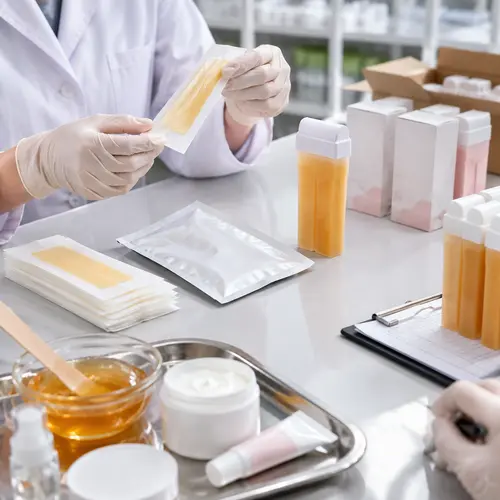
| Hero format | Primary use case, application method, removal performance, content potential | A focused product is easier to explain, sample, and measure | Start with the format that best matches the audience's routine |
| Formula behavior | Cream viscosity, wax melting behavior, strip adhesion, residue, odor, and skin-feel review | Performance problems create refunds and negative creator comments | Approve a filled sample, not only a bulk formula sample |
| Packaging compatibility | Seal integrity, leakage, closure fit, label adhesion, material response | Packaging failure can damage the product before use | Run filled-package checks under heat, cold, and handling conditions |
| Assortment logic | Distinct role for each SKU: hero, complementary format, or aftercare | Prevents inventory from being divided across near-duplicate products | Delay fragrance, size, and sensitivity variants until demand is visible |
| Launch readiness | Label copy, ingredient declaration, batch details, sample scope, MOQ, lead time | Missing documents or unclear timing can delay listing and shipment | Request a single project sheet covering formula, packaging, and documents |
| Scale plan | Capacity reservation, repeat-batch consistency, component availability | A viral launch can expose weak replenishment planning | Ask how the same approved sample will be reproduced at scale |
ODM Manufacturing Considerations
A useful ODM partner should help convert a content idea into a controlled product brief. That brief should record the target use area, desired texture, application experience, pack format, fill size, market, label requirements, and acceptable revision range. It should also separate confirmed decisions from items still under review.
Sampling should be structured around fast learning. For a cream, compare at least the spread, removal result, scent, and package dispensing. For wax, compare application control, pull behavior, residue, and recovery after storage. For strips, review adhesion, tear resistance, and pouch sealing. For aftercare, review absorption, tack, fragrance, and closure performance. A short sample loop is valuable only when each revision answers a specific question.
Ask the supplier to provide the available formula documentation, ingredient information, product specifications, label support, and testing plan for the destination market. For products sold across regions, confirm whether separate artwork or notification steps are needed. The hair removal manufacturing process should show how sampling, filling, packaging, checks, and shipment are connected.
Finally, agree how the brand's intellectual property is handled. Keep the approved formula code, artwork files, package specifications, revision history, and ownership terms in the project record. This reduces ambiguity when the product moves from sample to repeat order.

Next-Step Checklist
- Select one hero format and write its single-sentence customer promise.
- Choose no more than two supporting SKUs with clearly different jobs.
- Request samples in the intended package, including any roll-on cartridge, strip pouch, tube, jar, or aftercare container.
- Record formula feel, removal performance, packaging behavior, storage observations, and user feedback.
- Confirm MOQ, sample scope, revision process, label documents, lead time, and shipment conditions before approval.
- Use the request a hair removal product quote page to turn the shortlist into a comparable project brief.
ODM Manufacturing Considerations
Sample approval should establish measurable standards rather than rely on a buyer saying that a sample looks acceptable. Keep a signed reference sample and a specification sheet covering color, odor, fill weight, pH where relevant, cream viscosity range, wax softening or melting window, and the expected application and removal behavior. Give each revision a unique code so the factory cannot confuse an early prototype with the approved version. A pilot made on production equipment is preferable to a laboratory-only sample before full manufacturing begins.
Formula customization should begin with the intended user, body area, removal performance, and content concept. A face cream for sensitive users has different irritation-risk priorities from a body depilatory cream or salon wax. If dramatic stretch, opacity, color, or spread is important on camera, request prototype videos under neutral lighting and test the physical samples during filming. A claimed seven-day sample service should clarify whether it covers an existing base, a color or fragrance adjustment, or a genuinely customized formula.
Packaging compatibility must cover every component touching the product. Check whether a depilatory cream affects printed decoration, whether sugar wax changes around the lid interface, and whether roll-on cartridges remain clean when stored on different sides. The stability plan should track phase consistency, odor, color, pH, weight change, wax behavior, and container distortion under defined storage conditions. Buyers can review related capabilities through the supplier’s OEM/ODM services and manufacturing process documentation.
MOQ discussions should separate bulk production, filling, container, label, carton, and decoration minimums. Ask about component overruns, waste allowances, and charges for unused stock. A transparent BOM should identify formula, primary pack, secondary pack, testing, assembly, and estimated freight rather than presenting one unexplained total.
Before shipment, collect the ingredient declaration, finished-product specification, lot certificate, safety data sheet when applicable, stability summary, packaging specification, artwork approval, and labeling files. Confirm carton strength, pallet configuration, storage limits, shipping orientation, and dangerous-goods screening before accepting a freight estimate. Amazon sellers should independently check Amazon’s dangerous-goods classification rules for cosmetics, because platform review can affect inventory intake even when a product ships normally through other channels.
Common Problems or Failure Cases
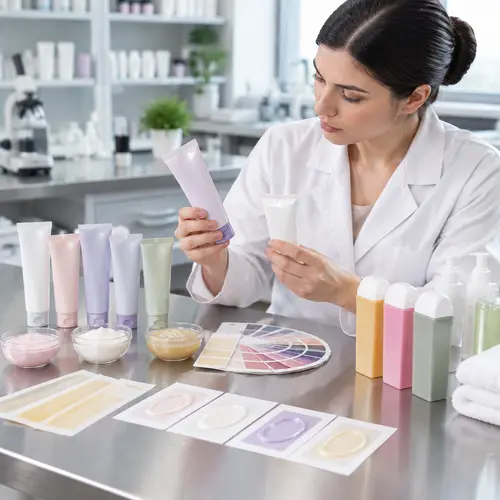
- Brittle wax: Wax may crack instead of flexing when its working window, application thickness, or warehouse exposure differs from the approved sample. Compare production lots at defined temperatures and record the usable melting range.
- Loss of strip adhesion: Wax strips can peel weakly after storage because of wax migration, backing variation, or poor pouch protection. Check removal performance at the beginning, middle, and end of the stated shelf-life review.
- Cream separation: A depilatory cream may develop liquid at the surface, graininess, or inconsistent flow. Set numerical pH and viscosity limits, then compare retained samples from each batch.
- Cartridge leakage: Roll-on wax can escape around the roller or neck when component tolerances vary or the filled cartridge experiences elevated transit temperatures. Test multiple units from actual component lots, not one hand-selected pack.
- Fragrance sensitivity: A strong scent may support social content but increase complaints among sensitive users. Review fragrance level, allergen-label information where required, and an unfragranced option before committing inventory.
- Packaging deformation: Jars, caps, cartridges, or tubes may warp, discolor, or lose panel shape after extended product contact or shipping exposure. Do not approve appearance from empty packaging alone.
Failure investigations should connect the complaint to its lot, component batch, filling date, and shipment conditions. Without traceability, the supplier may replace units without identifying whether the cause came from the formula, packaging, process, or storage.

Supplier Checklist
- Request hair-removal samples made with the proposed formula and final-contact packaging materials.
- Confirm written acceptance ranges for pH, viscosity, melting behavior, color, odor, fill weight, and removal performance where applicable.
- Review irritation-risk assessment, ingredient restrictions, patch-test directions, warning language, and intended body areas.
- Ask for stability observations, packaging-contact results, retained-sample policy, lot coding, and complaint-investigation procedure.
- Separate formula MOQ from component, printing, carton, and filling minimums.
- Verify ownership terms for custom formulas, artwork, molds, and development samples in the manufacturing contract.
- Request an itemized BOM, sample fees, revision limits, production lead time, freight assumptions, and possible surcharges.
- Confirm labeling documents for each target market. Gulf-bound products should be checked against applicable requirements published through the Gulf Standardization Organization.
- Ask how capacity is allocated during seasonal or viral demand spikes and whether critical packaging has a qualified backup.
- Evaluate response quality using a written brief that combines product requirements, visual content goals, and launch dates.
FAQ
Can a Chinese OEM use my idea or custom formula for another customer?
No supplier can remove every commercial risk. Use a mutual NDA plus a development and manufacturing contract defining formula ownership, permitted use, confidentiality, exclusivity limits, tooling ownership, and consequences for unauthorized disclosure. Keep dated briefs and sample records. Verify that the signing company matches the actual manufacturer.
How can I tell whether the sample will look dramatic enough on camera?
Define visible targets such as color intensity, opacity, stretch, drip speed, spread, and wax pull appearance. Film the physical sample under your normal lights, background, and camera settings. Approve a reference sample rather than relying on edited factory footage or color shown on a monitor.
Can quality control guarantee that followers will never have a bad reaction?
No responsible manufacturer can promise zero reactions. Risk can be reduced through ingredient review, controlled specifications, contamination controls, clear directions, warnings, batch traceability, and appropriate user testing before launch. Avoid describing a product as suitable for every sensitive user unless the supporting evidence and labeling justify that claim.
What if I do not understand technical cosmetic terminology?
A capable contact should translate marketing goals into measurable product requirements. Ask the supplier to restate your brief as specifications, sample stages, test criteria, and decision dates. If the team cannot explain tradeoffs in plain English, misunderstandings are likely during scale-up.
What happens if a video creates a sudden order surge?
Ask for weekly output by product format, normal and peak lead times, reserved-capacity options, packaging reorder times, and rules for production allocation. Maintain a rolling forecast and agree on reorder triggers. Capacity claims should be supported by line schedules and component availability, not only a verbal promise.
Should every formula use natural or organic positioning?
No. Positioning should follow the target market and formula reality. Natural claims do not automatically mean lower irritation risk or stronger removal. Require documented claim support, accurate ingredient naming, and consistent performance before placing such language on depilatory cream, wax, sugar wax, strips, or aftercare packaging.