Direct Answer
For facial hair removal products private label, sensory performance is not a cosmetic afterthought. It directly influences whether a customer trusts the product, applies the correct amount, removes hair efficiently, and repurchases without irritation. The right development process connects user experience with measurable controls: wax spread and pull strength, cream viscosity and contact time, cartridge flow, strip adhesion, aftercare absorption, package compatibility, and storage stability.
Buyers should evaluate a formula through a structured sample review rather than choosing by scent or appearance alone. Ask for a documented texture range, irritation-risk assessment, packaging compatibility data, heat and cold storage observations, and clear labeling support for the intended market. A responsive ODM partner can run these checks in parallel with sampling and compliance preparation, helping a DTC brand move from a product hypothesis to a testable launch without accepting avoidable quality or regulatory ambiguity.
Key Takeaways for Private Label Buyers
- Define the facial use case first: upper lip, chin, brows, or full-face zones require different spread, grip, and removal expectations.
- Review sensory attributes alongside performance data. Check odor, drag, residue, removal comfort, rinse-off behavior, and post-use skin feel.
- Match the formula to the package. Wax, cream, sugar wax, roll-on cartridges, and aftercare products each create different leakage, filling, and compatibility risks.
- Request stability and transport evidence covering heat, cold, vibration, seal integrity, and repeated opening or dispensing.
- Confirm the sample scope before approval: formula version, fragrance, color, container, applicator, label copy, and intended claims should be recorded.
- Build MoCRA, CPNP, ingredient, safety, and labeling documentation into the development schedule instead of treating compliance as a final review.
Buyer Context
Facial hair removal is a high-sensitivity category because customers judge the experience within minutes. A wax that feels too hot, a cream that runs toward the lips, or a strip that leaves adhesive residue can create a negative review even when the product technically removes hair. For a growing brand, that reaction affects customer support volume, return rates, paid-media efficiency, and the credibility of the entire product line.
The usage context also changes the development brief. Depilatory wax and sugar wax need controlled spread and predictable removal across small facial zones. Wax strips must balance adhesion with manageable pull strength, especially where skin is delicate or uneven. Depilatory cream needs a stable, uniform texture that remains in place during the recommended application period. Roll-on wax cartridges require consistent flow through the roller head and reliable sealing during shipment. Aftercare products need a finish that feels calming and compatible with the brand position without making unsupported medical or treatment claims.
This is why a private-label buyer should approach product development as a contract manufacturing decision with clear user scenarios. A useful brief identifies skin sensitivity concerns, hair coarseness, application tool, removal direction, expected residue, fragrance preference, and the markets where the product will be sold. The hair removal product solutions hub can help organize these use cases before a formula is selected.
Market positioning should also remain realistic. Clean, vegan, or natural positioning may be important to the customer, but each claim requires ingredient review, supplier documentation, and appropriate substantiation. The FDA regulatory framework for cosmetics and applicable European requirements should be considered early, particularly when packaging copy describes results, sensitivity, or skin benefits.
For brands comparing suppliers, the hair removal OEM ODM services page is a useful reference point for discussing formula customization, sampling, packaging, and documentation as one connected workflow. This matters when a founder needs a fast pilot run but cannot afford a formulation change between the approved sample and the launch batch.
Hair removal product guides can support internal education for marketing and procurement teams, while a documented hair removal manufacturing process should make sampling, filling, quality control, and shipment conditions visible to the buyer.
Flexible minimums are relevant at this stage, but they should not be evaluated separately from quality controls. A pilot quantity from 1,000 units under ISO 22716 protocols can be commercially useful for testing demand, provided the same raw materials, filling method, package components, and release criteria are used for later scale-up.
Request a hair removal product quote materials should therefore include more than a unit price. They should specify the formula version, sample lead time, minimum pilot scope, package options, testing plan, label documents, and shipment assumptions.
Custom depilatory cream formulation requires particular care because viscosity, application thickness, contact time, and odor are closely connected. Buyers should request a side-by-side sample review against the intended benchmark rather than approving a cream from a single jar test.
For brands building a complete routine, post-depilation care OEM and an after hair removal serum can be evaluated as complementary products, but their claims and use instructions should remain distinct from the depilatory product itself.
Technical or Packaging Factors
Formula and Sensory Review
Start with the product form and application zone. A wax formula should be reviewed for melting behavior, spreadability, stringing, pull strength, and residue after removal. A sugar wax should be checked for crystallization, moisture sensitivity, and whether its texture changes after repeated warming and cooling. For a depilatory cream, evaluate viscosity, phase stability, odor, application uniformity, and whether the product stays in place rather than migrating toward the eyes or lips.
The target texture should be recorded in the product specification. For liquid or semi-liquid products, this may include a viscosity range measured with a defined instrument, spindle, temperature, and test method. For wax, the relevant controls may include softening or melting behavior, flow through the selected applicator, and removal performance at the intended use temperature. A sensory panel should document drag, tack, comfort, residue, rinse-off, and visible redness observations without turning consumer feedback into a medical claim.
Irritation risk deserves a formal review. Fragrance, alkaline depilatory systems, preservatives, botanical extracts, and adhesive components can each affect tolerance. A buyer should ask for the ingredient list, allergen information where applicable, raw material specifications, safety assessment inputs, and a clear explanation of any use restrictions. Product directions should define the application area, timing, removal method, and a patch-test recommendation where appropriate.
Packaging Compatibility and Dispensing
Packaging is part of the formula system. A cream may interact with a plastic tube, shoulder, cap liner, or seal over time. Wax may soften, stain, or deform a closure if the package is not matched to its filling and storage conditions. Roll-on cartridges need a roller ball that dispenses evenly without flooding, drying at the opening, or leaking during transport. Wax strips require stable adhesive placement, clean separation from the backing paper, and packaging that protects the strip from heat and humidity.
Ask the supplier to test filled samples, not only empty components. Compatibility checks should cover seal integrity, odor transfer, color change, swelling, stress cracking, dispensing force, and leakage after storage. The review should include orientation changes and shipment simulation because a package that performs well upright in a lab may fail when cartons are turned or compressed in transit.
Storage, Stability, and Shipment
Define expected storage conditions before finalizing the formula. Heat exposure can reduce wax viscosity, soften adhesive, increase cream separation risk, or deform a cartridge. Cold exposure can make wax brittle, increase cream thickness, or change the feel of a sugar wax. Stability work should compare appearance, odor, texture, pH where relevant, viscosity, package weight, seal performance, and microbial results according to the product type.
Shipment conditions should be documented in the release plan. Include carton configuration, closure protection, temperature-sensitive handling, leakage acceptance criteria, and inspection requirements at receipt. A buyer should also retain approved reference samples from the final formula and package combination so future batches can be compared against the same sensory and physical standard.
Decision Framework Table
| Factor | What to Check | Why It Matters | ODM Buyer Note |
|---|---|---|---|
| Facial wax or sugar wax | Spread, softening behavior, pull strength, stringing, residue, and removal comfort | Small facial zones expose inconsistency quickly and can increase discomfort | Approve a defined application temperature and tool, then retain a reference sample |
| Depilatory cream | Viscosity, odor, phase stability, application thickness, contact-time instructions, and rinse-off | Migration or uneven coverage can reduce performance and increase irritation risk | Record the formula version and review ingredient and labeling documents before claims approval |
| Wax strips | Adhesive uniformity, backing release, pull strength, residue, and humidity exposure | Adhesion must be strong enough for removal but manageable on facial skin | Test aged strips in the final sachet or carton, not as loose laboratory pieces |
| Roll-on wax cartridge | Flow rate, roller movement, closure seal, filling level, and leakage after orientation changes | Dispensing failure creates both usage complaints and shipment loss | Run filled-package checks with the selected roller head and transport carton |
| Aftercare product | Absorption, residue, fragrance, package compatibility, and claim language | The finish influences perceived comfort and routine completion | Keep soothing or recovery language cosmetically appropriate and evidence-based |
| Launch documentation | Ingredient list, safety inputs, stability records, batch specifications, and market labeling | Missing records can delay listing, customs review, or retailer approval | Align MoCRA and CPNP preparation with sampling and package sign-off |
Cosmetics labeling guidance should be reviewed alongside the final artwork, and the FDA explanation of cosmetic regulatory authority can help teams separate cosmetic claims from language that may create additional regulatory obligations.
Before approving a sample, the buyer should complete a short gate review: confirm the use zone, compare texture against the brief, inspect the filled package, review storage observations, verify label documents, and record every approved component. That discipline gives a new brand a clearer path from sensory concept to compliant launch.

ODM Manufacturing Considerations
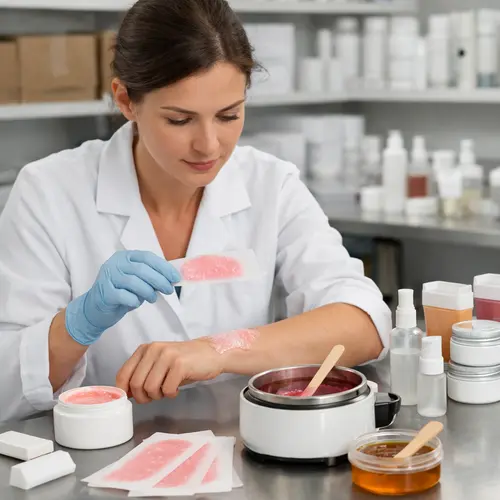
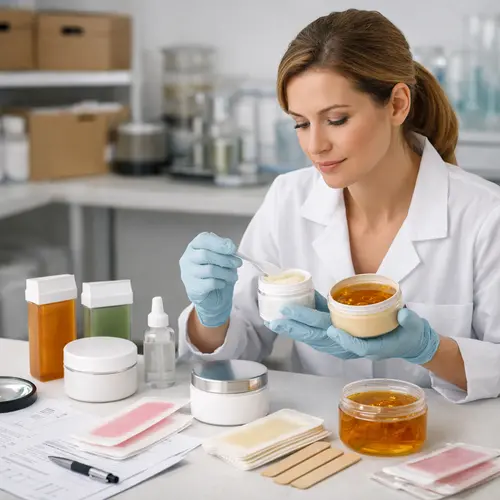
Sample confirmation should be treated as a controlled approval step, not an informal exchange of prototypes. For each facial hair removal products private label project, the buyer should receive a sample code, formula version, packaging configuration, and intended use instructions. Record the texture, spread behavior, pull feel, residue level, fragrance intensity, removal performance, and post-use skin feel. Approval should identify whether the sample is accepted as submitted or accepted with specific changes.
Formula customization can range from a modest fragrance adjustment to a more substantial change in wax flexibility, sugar wax moisture balance, depilatory cream performance, or aftercare absorption. Ask the supplier to distinguish between a stock base, a modified base, and a newly developed formula. This distinction affects development time, ownership expectations, documentation, and the risk that a similar product may already exist in another market. A buyer should also define which claims are permitted, such as suitability for facial use or sensitive-skin positioning, and request evidence appropriate to those claims.
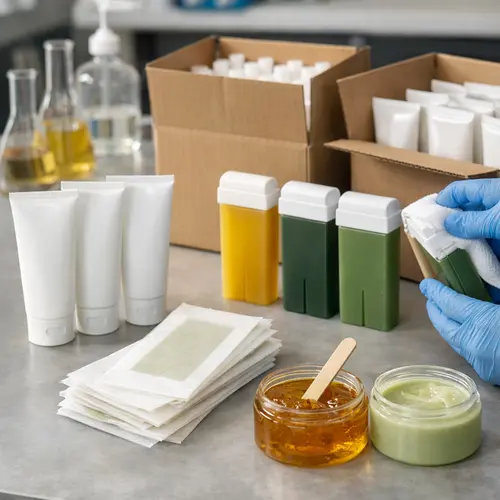
Packaging compatibility must be reviewed with the actual formula and the intended sales channel. A wax jar, strip pouch, cream tube, roll-on wax cartridge, and aftercare bottle each create different risks. Check whether the formula softens, swells, stains, weakens, or changes the seal material. For roll-on products, confirm that the cartridge feeds consistently after storage and that the cap prevents seepage. For depilatory cream, inspect the tube shoulder, closure, and inner seal after filling. The approved sample should use production-intent packaging whenever possible.
Stability review should cover appearance, odor, texture, separation, crystallization, dispensing, and package condition after heat and cold exposure. Buyers should request the storage range, recommended transport conditions, expected shelf-life basis, and any restrictions on container orientation. Shipment planning should account for seasonal temperatures, transit duration, pallet loading, carton protection, and the possibility of pressure changes in air freight. A product that performs well in a sample room may still arrive with brittle wax, separated cream, distorted tubes, or leaking cartridges if these conditions are not documented.
MOQ should be evaluated against the commercial model rather than viewed only as a production threshold. Ask for separate quantities and costs for development samples, printed packaging, unprinted trial packaging, and the first commercial run. A lower quantity may carry higher unit economics because of setup, component purchasing, testing, and artwork costs. Compare that increase with projected CAC, launch inventory risk, and the cost of a failed market test. The most useful quotation separates formula, filling, components, decoration, testing, documentation, and freight assumptions.
Labeling documents should be prepared before artwork is finalized. Request the full ingredient declaration using accepted INCI names, net contents confirmation, directions, warnings, batch or lot coding requirements, country-of-origin information, and applicable responsible-party details. US-facing claims and labels should be reviewed against the FDA Cosmetics Labeling Guide and the broader FDA regulatory framework for cosmetics. The supplier should also identify which documents are supplied by the manufacturer and which must be completed by the brand or importer.
Related wxmo resources such as the OEM/ODM development overview, manufacturing process guide, and project inquiry page can help organize these questions before commercial approval.
Common Problems or Failure Cases
Wax brittleness: A facial wax may crack during application or break during removal when its flexibility is not matched to room temperature, skin preparation, or strip choice. Review the working temperature, application thickness, cooling time, and storage history. A useful comparison uses the same applicator, strip material, and room conditions for every sample.
Strip adhesion loss: Wax strips can lose performance when the wax layer transfers unevenly, the backing releases poorly, or the pouch allows moisture and heat exposure. Check adhesion immediately after opening and again after simulated shipment. Buyers should inspect edge lifting, incomplete hair removal, excess residue, and whether the backing separates cleanly without tearing.
Cream separation or odor change: Depilatory cream may show oil separation, thinning, thickening, color shift, or sulfur-like odor changes during storage. Confirm the intended application time and inspect the product in the final tube rather than only in a laboratory container. Fragrance can also create sensitivity concerns, especially in a facial product. Review fragrance allergens, fragrance-free alternatives, user instructions, and claim language with the regulatory team.
Cartridge leakage: Roll-on wax can seep through a closure, roller assembly, or neck seal when stored on its side or exposed to elevated temperatures. Test upright and horizontal storage, carton vibration, cap removal, and repeated dispensing. A passed room-temperature filling check does not establish performance during transportation.
Packaging deformation: Tubes, jars, pouches, and cartridges may dent, soften, warp, or lose print adhesion when their material is exposed to heat, wax oils, solvents, or depilatory cream ingredients. Retain samples from each packaging configuration and compare them after storage. Do not approve a decorative component until its seal, dispensing function, and surface appearance remain acceptable.
Supplier Checklist
- Can the supplier provide coded samples with formula revision history and written approval records?
- Are customization boundaries clear for wax, sugar wax, depilatory cream, strips, cartridges, and aftercare formulas?
- Has the final formula been checked in the exact jar, pouch, tube, cartridge, or bottle planned for sale?
- Are texture, working temperature, dispensing behavior, residue, fragrance, and irritation-risk considerations documented?
- Does the stability package explain appearance, odor, separation, crystallization, leakage, deformation, and shipment conditions?
- Are MOQ assumptions separated from sample quantities, component purchases, decoration, testing, documentation, and freight?
- Are INCI ingredients, warnings, directions, net contents, batch coding, and market-specific label responsibilities identified?
- Can the supplier explain how complaints, retained samples, deviations, and formula changes will be managed?
- Are confidentiality terms, formula ownership, artwork protection, and competitor restrictions defined in a signed NDA or development contract?
- For environmental claims, are material composition, recycled content, recyclability conditions, chain-of-custody evidence, and relevant certifications available for review?
FAQ
Can an Asian supplier meet European and US clean beauty and cruelty-free requirements?
Geographic location does not establish compliance. Ask for a written ingredient-screening process, prohibited-substance policy, animal-testing position, supplier declarations, and traceable documentation for each formula. The brand remains responsible for market-specific claims, so the review should cover both formulation evidence and the wording used on the label and website.
Will a low MOQ make the unit cost too high to support customer acquisition costs?
It can, particularly when printed components, setup charges, testing, and small component purchases are allocated across fewer units. Request a cost model at several quantity levels and compare landed cost with expected retail price, CAC, returns, and promotional allowances. A staged launch with commercially usable packaging may be more informative than selecting a quantity based only on the lowest unit price.
Will a turnkey or existing formula make my product look the same as competing brands?
A ready formula can reduce development time, but similarity risk depends on the base, sensory profile, fragrance, packaging, claims, and market positioning. Ask what can be changed and whether the proposed base is sold to other brands. Distinctive texture, fragrance strategy, strip format, aftercare pairing, packaging specification, and documented formula ownership can create meaningful differentiation without requiring an entirely new chemistry program.
Can we sign a strict NDA before discussing the brand plan?
Yes, this should be settled before sharing confidential artwork, launch timing, target pricing, formula concepts, or supplier lists. The NDA should define confidential information, permitted access, use restrictions, return or destruction obligations, duration, and remedies. A separate development contract should address formula ownership, exclusivity, samples, modifications, and the treatment of improvements.
How can we verify that an environmentally positioned package is not greenwashing?
Request the exact material structure, recycled-content percentage, recycling conditions, supplier declarations, and certification scope. Verify whether the claim applies to the whole package or only one component. Claims should match the market’s available recycling infrastructure and the evidence retained by the brand. Avoid broad terms such as sustainable unless the supporting qualification is clear.
What should be approved before placing the first commercial order?
Approve a production-intent sample, final artwork, ingredient and warning text, packaging compatibility record, storage and shipment conditions, inspection criteria, and the document list required for import and sale. Keep a retained reference sample and written change-control procedure so later formula or component substitutions are visible.
References
Mintel global beauty market reports provide market context for product positioning and category planning. For US labeling and cosmetic obligations, consult the FDA explanation of cosmetic regulation and authority and the Cosmetics Labeling Guide.