Direct Answer
Yes—but sensitive skin depilatory cream should be positioned as a controlled-use product, not as a universal guarantee of comfort. The opportunity is real for private-label brands, especially when the product combines a milder sensory profile, clear use-area guidance, tested packaging, and evidence from structured tolerance and stability reviews. The same principle applies across depilatory cream, wax strips, sugar wax, roll-on wax, and post-depilation care: sensitive-skin positioning is built through risk reduction and transparent instructions, not a single hero ingredient.
For a founder, the decision is less about adding a soothing claim and more about building a complete product system. The formula, fragrance level, contact time, tube or cartridge, labeling documents, storage conditions, and consumer testing plan must support the same promise. An experienced ODM partner can help translate a social-media concept into a sample that looks distinctive on camera while remaining practical for production and market launch.
Key Takeaways for Private Label Buyers
- Source for documented flexibility: Ask whether the supplier can modify a proven depilatory base without rebuilding the project from zero.
- Review the formula as a system: Evaluate active strength, alkalinity, fragrance, preservatives, texture, residue, and rinse-off behavior together.
- Match packaging to the product: A cream, wax, and aftercare gel each require different tube, jar, cartridge, seal, and dispensing checks.
- Test the full use experience: Include irritation-risk review, consumer-use feedback, stability, leakage, heat and cold storage, and transport simulation.
- Launch with precise claims: Use language such as designed for sensitive-feeling skin only when the product instructions and supporting records justify it.
- Protect the trend window: A pilot run from 1,000 units and parallel sample, packaging, and document work can reduce launch friction for creator-led brands.
sensitive skin hair removal products are best evaluated through this complete buyer lens rather than through ingredient lists alone.
Buyer Context
Sensitive-skin positioning matters because hair removal is an inherently high-attention use occasion. Consumers notice stinging, odor, residue, redness, uneven removal, and difficult cleanup immediately. If the product is promoted by a creator, a single unfavorable demonstration can travel faster than a polished launch video. This makes product selection a brand-reputation decision as much as a sourcing decision.
For depilatory cream, buyers should define the intended body area before requesting samples. A face product requires a different use brief from a leg or underarm product. The same applies to wax strips: strip size, adhesive behavior, removal force, and residue all influence whether the experience feels controlled. Sugar wax and hot wax require attention to working temperature, spreadability, and cooling behavior. Roll-on wax cartridges add a mechanical layer, including roller movement, cap fit, and leakage during shipment.
Aftercare can strengthen the product story, but it should not be used to excuse an overly aggressive removal product. A calming gel or lotion may be offered as part of a kit, while the core depilatory item still needs clear directions, realistic claims, and a defined consumer profile. For creator-led brands, this creates a more credible content arc: texture reveal, application demonstration, removal result, and aftercare routine.
Buyers can review broader hair removal product solutions or compare options through hair removal OEM ODM services before locking the first hero SKU.
Depilatory cream OEM projects should begin with a written product brief. It should identify target market, body area, desired visual texture, fragrance direction, package format, proposed claim language, sample quantity, and launch timing. This prevents the common failure in which a visually attractive sample is later rejected because it does not match the label, filling line, or intended use area.
Technical or Packaging Factors
Formula and skin-feel review
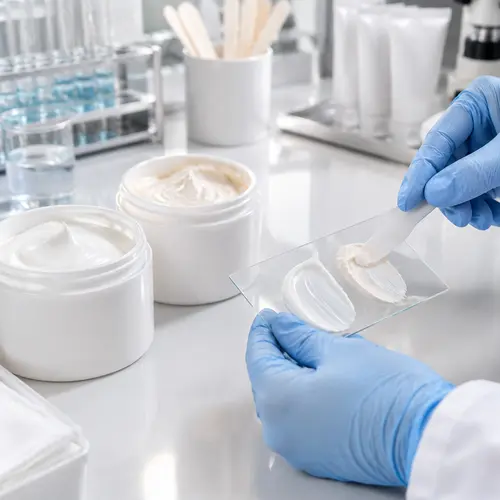
A sensitive-skin position starts with restraint. The development team should review the depilatory active system, alkalinity, fragrance load, colorants, preservatives, and contact time as one package. A cream that removes hair quickly but produces a sharp odor or difficult rinse-off may perform poorly in creator demonstrations. Conversely, an overly soft formula can spread beyond the intended area or create inconsistent removal.
Ask for side-by-side samples with clearly recorded changes. Useful comparisons include lower and higher active strength, fragrance-free versus lightly fragranced versions, thicker versus more spreadable textures, and different rinse-off profiles. For wax, compare melting behavior, stringing, spread, set time, and removal residue. For sugar wax, review graininess, pickup, and performance across normal storage temperatures. The goal is not simply the mildest formula; it is the best balance of effective removal, predictable use, and acceptable sensory performance.
Packaging compatibility and leakage
Packaging can change the perceived quality of a sensitive-skin product. Depilatory cream commonly requires a tube, nozzle, cap, and inner seal that can withstand contact with an alkaline formula. Buyers should request compatibility records covering seal integrity, odor transfer, discoloration, viscosity change, and leakage after storage and transport handling.
Wax products need a different review. A jar or cartridge must tolerate heat exposure without warping, softening, or losing its seal. Roll-on packaging should be checked for roller blockage, cap retention, pressure marks, and leakage after inversion. Wax strips should be inspected for adhesive aging, strip separation, pouch seal quality, and residue transfer. For aftercare, pump or squeeze packaging should dispense consistently without drawing air or separating the formula.
Packaging testing should include heat and cold storage, movement during shipment, drop handling, and repeated opening. The buyer should receive clear records for the selected final package, not only for a similar container used during sampling. This is where a dedicated hair removal manufacturing process becomes valuable: sampling, filling, sealing, inspection, and shipment conditions can be reviewed as one workflow.
Labeling, documentation, and launch control
Sensitive-skin wording must stay within the product evidence. Avoid broad promises such as no irritation or safe for everyone. More practical language can describe the intended skin-feel goal, recommended use area, patch-test direction, maximum contact time, and situations in which use should stop. The final label should align with the formula, package size, directions, warnings, ingredients, batch information, and target-market requirements.
Request the documentation package early, including ingredient information, product specifications, stability records, packaging compatibility results, batch release checks, and shipping recommendations. MoCRA and CPNP requirements may apply depending on the destination market, and documentation should be prepared before artwork is finalized. The FDA explains how cosmetics are regulated through its official cosmetics guidance, while its page on the Modernization of Cosmetics Regulation Act of 2022 outlines additional United States obligations.
Decision Framework Table
| Factor | What to Check | Why It Matters | ODM Buyer Note |
|---|---|---|---|
| Removal performance | Hair removal consistency, spread, contact time, rinse-off, residue | A mild-feeling product still needs predictable results | Compare at least two texture and active-strength options |
| Irritation-risk review | Fragrance, alkalinity, preservatives, target body area, use directions | Sensitive-skin positioning depends on controlled use conditions | Define the target user and area before approving claims |
| Packaging compatibility | Tube or cartridge seal, viscosity change, leakage, odor transfer | Formula-package interaction can create returns or complaints | Test the final package, not only a laboratory sample container |
| Storage and shipment | Heat, cold, inversion, movement, drop handling, seal retention | Texture and package integrity may change before delivery | Confirm recommended shipment conditions and inspection points |
| Launch readiness | Label copy, ingredient list, product specification, batch records | Artwork and market entry can stall if documents arrive late | Run sampling, packaging review, and documentation work in parallel |

ODM Manufacturing Considerations
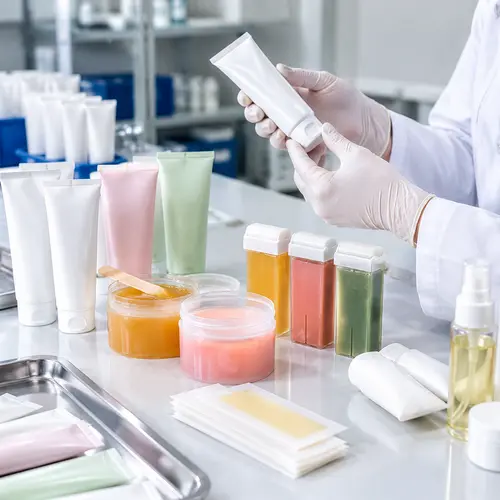
The right partner should make the decision visible. Ask for a sample comparison, a package compatibility plan, a stability schedule, and a clear description of what changes between pilot production and scale-up. PZIK’s operating model is designed around modular hair-removal formulations, pilot runs from 1,000 units, and a path from sample to larger production without unnecessary re-engineering. For buyers who need a more specific request, request a hair removal product quote with the intended market, package, body area, and sensitive-skin positioning.
For a broader launch architecture, buyers can also review post-depilation care OEM, hair inhibitor serum OEM, and wax strips OEM. The strongest first product is not always the most visually dramatic formula. It is the one that combines a clear content hook with manageable use instructions, compatible packaging, stable shipment performance, and a supplier process that can support the next production run.
ODM Manufacturing Considerations
An ODM project for a sensitive skin depilatory cream or related hair-removal product should be controlled through documented sample approval, not informal comments such as softer or stronger. The buyer and supplier should agree on the intended use area, target hair type, application time, skin-feel, fragrance level, removal performance, appearance, and acceptable variation before commercial production begins. A useful starting point is the supplier’s OEM/ODM service process, provided it explains what is included in sampling, revisions, testing, and production handoff.
Sample confirmation should cover more than the formula inside the container. Record the cream color, odor, viscosity, spreadability, rinse-off behavior, and post-use feel. For wax products, confirm hardness, melting behavior, pickup, stringing, and residue. For sugar wax and roll-on formats, check whether the material flows consistently at the intended operating temperature. Keep an approved reference sample and a written acceptance sheet so later batches can be compared against the same standard.
Formula customization should be linked to a defined user problem. A lower-irritation positioning may require a review of fragrance, essential-oil content, alkaline strength, contact time, and aftercare instructions. It does not mean the product can promise universal suitability. Request an irritation-risk review based on the intended body area, usage frequency, warning language, and likely consumer misuse. For a depilatory cream, the supplier should explain the allowed application thickness and removal window. For wax strips, the adhesive and substrate should be assessed together rather than approved separately.
Packaging compatibility is equally important. A cream may interact with a tube shoulder, nozzle, cap liner, or printed surface. A roll-on cartridge needs a roller that moves smoothly without leaking when stored horizontally. Wax pouches and strip sachets need seals that remain closed after handling and temperature changes. Ask the supplier to document fill weight, closure torque where relevant, seal inspection, and package appearance after storage. A review of the supplier’s manufacturing process can help buyers identify where these checks occur.
Stability review should reflect the destination market and shipping route. Request observations for color, odor, separation, viscosity, wax brittleness, strip adhesion, cartridge movement, and package deformation after heat, cold, and normal shipment exposure. The buyer should also ask how samples are stored, how often they are inspected, and what change is considered unacceptable. These records are more useful than a general statement that the product is stable.
MOQ should be discussed alongside sample scope and replenishment capacity. Ask whether the minimum applies per formula, scent, color, package size, or total order. Confirm the cost and lead time for additional revisions, tooling, artwork changes, and unused packaging components. A transparent BOM quotation should separate formula, container, decoration, assembly, testing, cartons, and freight estimates. This makes it easier to compare custom manufacturing offers without relying on a single total price.
Labeling documents should match the selling region. Request the ingredient declaration, net contents, usage directions, warnings, batch coding method, shelf-life or period-after-opening guidance when applicable, and product specification sheet. For US sales, consult the FDA cosmetics information for current responsibilities covering cosmetic products and labeling. If halal positioning matters for the target market, review ingredient origin, production handling, and recognition requirements with an appropriate certification body; the MUI World Halal Council mutual-recognition guide may be relevant to market planning.
Shipment conditions should be agreed before the first commercial order. Define the acceptable temperature range, carton configuration, pallet or parcel method, protection against compression, and inspection process on arrival. A buyer should know who carries responsibility for damage, leakage, missing units, or temperature-related changes during transit.

Common Problems or Failure Cases
Wax brittleness is a frequent complaint when a formula is judged only at room temperature. A wax that looks attractive in a sample room may crack during cool storage or become difficult to spread after transit. Check pickup, flexibility, melting behavior, and removal performance at temperatures that reflect the selling region. The approved range should be recorded rather than described only as smooth or premium.
Strip adhesion can decline because of aging, humidity, substrate variation, or unsuitable pouch sealing. Test whether the strip lifts hair cleanly without excessive residue and whether the adhesive remains usable after storage. A visual inspection of the strip alone cannot confirm performance.
Cream separation may appear as oil release, watery edges, graininess, or a change in viscosity. It can affect consumer confidence even when the product remains easy to dispense. Compare retained samples at scheduled intervals and inspect the formula in its final container, because the package can influence the observed result.
Cartridge leakage often develops at the roller assembly, cap, seam, or neck rather than in the bulk wax. Store units in different orientations, move them through representative shipment handling, and check both visible leakage and roller movement. Packaging deformation can also change how a consumer applies product, especially when a tube or pouch loses its shape under heat.
Fragrance sensitivity is another positioning risk. A strong scent may help mask the odor of a depilatory formula, but it can conflict with a sensitive-skin message. Review the fragrance level with the target audience in mind and make sure the label does not imply that fragrance-free, gentle, or sensitive-skin positioning removes the need for a patch test and usage warnings.
Supplier Checklist
- Can the supplier provide retained samples and a written approval record for texture, color, odor, strength, and application behavior?
- Does the supplier explain what formula changes are possible and how each revision affects price, timing, labeling, and minimum order quantity?
- Can the facility test the finished product in its final tube, pouch, cartridge, jar, or aftercare package?
- Are heat, cold, storage orientation, leakage, seal, adhesion, and shipment-handling checks defined for the selected product?
- Does the quote show formula, packaging, decoration, assembly, inspection, cartons, and freight assumptions separately?
- Can the supplier provide ingredient, warning, usage, batch, shelf-life, and export labeling documents for the intended market?
- Who owns the custom formula, artwork, sample records, and production specifications, and are those terms written into the agreement?
- Can the factory reserve capacity for a successful launch while still explaining realistic output limits and replenishment timing?
- Does the account manager translate social-media positioning into measurable product requirements such as texture, color, scent, application time, and visual payoff?
FAQ
Could a Chinese OEM/ODM factory take my idea or formula and sell it to another brand?
Risk is reduced when ownership, confidentiality, exclusivity, permitted use, artwork control, and access to custom specifications are written into the contract. Ask whether the formula is stock, modified stock, or developed specifically for your brand. Keep approval records and define what happens to unused components, molds, and printed materials. A contract cannot replace supplier due diligence, but it makes the commercial boundaries clear.
Can the sample achieve an exaggerated visual effect for video content?
It can be designed for a visible texture, color, spread pattern, or removal moment, but the effect must remain compatible with safe use and stable packaging. Give the supplier a reference video or storyboard and convert it into measurable requirements such as opacity, foam level, gloss, thickness, or visible pickup. Approve samples under both normal lighting and the lighting used for content production.
How can I reduce the risk of a product causing severe consumer complaints?
No supplier can promise zero adverse reactions. Reduce risk through an intended-use review, ingredient and fragrance review, clear warnings, controlled contact time, patch-test guidance, retained samples, batch records, and a documented complaint process. Inspect finished units and keep release criteria for appearance, fill, package condition, and dispensing behavior.
What if I do not understand cosmetic ingredients or manufacturing terms?
A capable supplier should translate your marketing goal into product requirements rather than expecting you to specify every ingredient. Ask for a plain-English comparison of formula strengths, scent options, texture choices, body-area limitations, and tradeoffs. Your final approval should be based on observable results and documented specifications, with technical explanations available when needed.
Can the factory handle a sudden order increase after a video goes viral?
Ask for normal capacity, peak capacity, available filling lines, critical component lead times, and a realistic replenishment schedule before launch. Confirm whether a capacity reservation or forecast is available and whether large existing accounts receive priority. A supplier that can provide fast samples and a clear scale-up plan is more useful than one that promises unlimited output.
Which documents should be complete before shipment?
At minimum, align the final artwork, ingredient declaration, directions, warnings, batch coding, specification sheet, approved sample record, carton details, commercial invoice information, and shipment conditions. The exact document set depends on the destination market and product claims, so have the label reviewed before printing.
References
For visible claims about cosmetic product responsibilities and labeling, consult FDA cosmetics guidance and information. For halal market planning and mutual-recognition considerations, consult the MUI World Halal Council mutual-recognition guide.