Direct Answer
Regional hair removal product preferences should be treated as a supply-chain and compliance variable, not as a superficial packaging exercise. A product line that performs well in one market may require changes to formula strength, texture, fragrance, pack format, claims language, storage validation, and aftercare positioning before it can be released elsewhere. For private-label buyers, the practical approach is to preserve a controlled core formula while adapting the variables that affect user acceptance and regulatory exposure: depilatory cream viscosity, wax melting behavior, strip adhesion, applicator format, skin-sensitivity communication, and climate resistance. The supplier should demonstrate that these changes remain within an approved manufacturing process and do not create a new stability or quality risk. Start with market-specific usage evidence, then confirm formula, packaging, testing, labeling, and shipment conditions in one coordinated technical file. This reduces late-stage rework when a mature brand adds regional SKUs or qualifies an alternate production source.
Key Takeaways for Private Label Buyers
- Segment demand by product format and usage occasion before selecting a formula. Warm-climate markets may place greater importance on leakage control, while colder markets may expose wax to crystallization or slower spreading.
- Define a controlled adaptation range for viscosity, fragrance, color, pull strength, melting point, and dwell time. Any change outside that range should trigger a new technical and regulatory review.
- Match packaging to the product physics. Tubes, sachets, jars, wax strips, and roll-on cartridges each create different risks for seal integrity, dispensing, contamination, and transport.
- Require stability and compatibility evidence under the actual distribution conditions, including heat, cold, humidity, compression, and vibration during shipment.
- Separate consumer preference testing from safety substantiation. A preferred fragrance or cream feel does not replace irritation-risk review, label control, or batch-release testing.
- Use an ODM partner that can provide samples, specifications, production records, and change-control documentation before the regional launch gate.
Hair removal product guides can support early category research, while a formal technical review should determine which observations become product requirements.

Buyer Context
Regional adaptation matters because hair-removal routines differ in frequency, body area, climate exposure, retail channel, and consumer tolerance for fragrance or residue. A depilatory cream designed for legs may not transfer directly to a facial or underarm positioning without a separate irritation review and carefully controlled claims. Wax strips may require different strip dimensions, substrate feel, adhesive balance, and instruction language depending on whether the intended user is a trained salon professional or a first-time home user. Sugar wax and hot wax also create distinct handling expectations: buyers need clear controls for spreadability, working temperature, cooling behavior, and removal performance.
For a multinational procurement team, these differences become more consequential when a supplier is being introduced after a quality incident, an unexpected capacity disruption, or a group decision to diversify production by region. The objective is not simply to localize a label. It is to avoid a fragmented portfolio in which each market uses an unconnected formula, packaging component, and test method. A modular product architecture is more defensible: maintain a validated base, define regional options, and document the point at which an adaptation becomes a new SKU requiring renewed testing.
Buyers should also account for the operating environment of the channel. E-commerce shipments may expose creams, waxes, and aftercare products to temperature excursions and parcel compression. Salon distribution may require larger packs, controlled dispensing, and professional instructions. Subscription or travel formats may prioritize sachets, smaller wax-strip packs, and leak-resistant secondary packaging. These are procurement decisions because they affect component qualification, filling equipment, case packing, inventory planning, and shipment conditions. Relevant hair removal product solutions should therefore be assessed against the complete use and distribution context.
Technical or Packaging Factors
Formula texture is the first practical checkpoint. For depilatory creams, compare viscosity, spreadability, phase stability, odor profile, color consistency, and residue after removal. A formula that is too fluid may migrate beyond the intended area or create leakage risk in a soft tube. A formula that is too thick may reduce coverage and increase consumer dwell time. The supplier should provide a defined specification rather than relying on visual approval of one sample. Where relevant, review pH, preservative strategy, microbial limits, and the documented irritation-risk assessment for the intended use area.
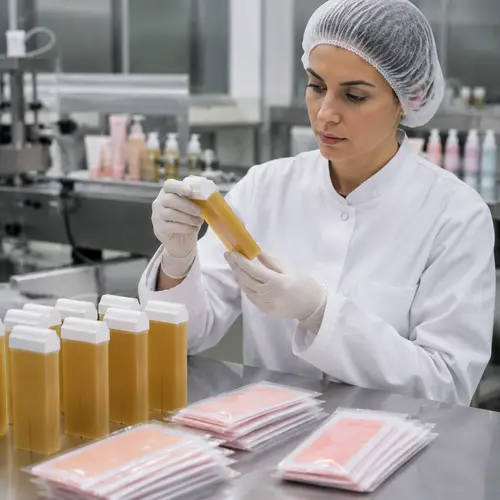
Wax products require a different control set. For hot wax and sugar wax, assess melting point, working temperature, stringing, pickup, cooling rate, and removal behavior. For roll-on wax cartridges, confirm roller movement, refill consistency, nozzle or roller-ball fit, seal integrity, and leakage after heat exposure. Wax strips require review of wax coat uniformity, strip adhesion, release liner performance, pull strength, and aging behavior. Packaging compatibility should be checked with the actual formula, not only with an empty component, because oils, solvents, fragrances, and wax residues can affect seals, labels, plastic stress, or dispensing performance.
Storage and shipment validation should reflect the target market. Heat testing can reveal softening, separation, pressure buildup, adhesive migration, or deformation. Cold testing can expose brittle strips, altered cream flow, wax crystallization, or a roll-on cartridge that no longer dispenses evenly. Humidity and vibration testing are useful for sachets, cartons, strip packs, and secondary packaging. The buyer should request acceptance criteria, sample photographs, test dates, and disposition records. The hair removal manufacturing process should show how sampling, filling, sealing, inspection, batch release, and shipment controls connect.
Documentation must remain aligned with the final market. Confirm the ingredient declaration, usage directions, warnings, batch coding, shelf-life basis, artwork approval process, and country-specific responsible-party requirements. The FDA regulatory framework for cosmetics is a useful reference for United States market responsibilities, but it should not be treated as a substitute for a complete market-by-market regulatory assessment. A supplier’s technical file should also identify formula version, packaging version, approved specifications, test methods, and change-control obligations.
For buyers comparing suppliers, depilatory cream OEM capability should be evaluated alongside wax and aftercare competence. A supplier may be strong in cream filling but lack the equipment or process controls for roll-on cartridges and wax strips. Similarly, an aftercare gel or lotion must be checked for compatibility with the preceding removal method and the intended packaging. Buyers can review post-depilation care OEM options as part of a complete regional assortment rather than treating aftercare as an afterthought.
Decision Framework Table
| Factor | What to Check | Why It Matters | ODM Buyer Note |
|---|---|---|---|
| Formula behavior | Viscosity, spreadability, odor, residue, pH where relevant, phase stability | Controls user experience, coverage, irritation exposure, and dispensing consistency | Approve a measurable specification and regional adaptation range |
| Wax performance | Melting point, working temperature, stringing, cooling, pickup, removal | Determines handling safety and performance across climates and use settings | Request comparative samples at intended storage conditions |
| Packaging compatibility | Seal integrity, leakage, roller fit, tube stress, strip release, label adhesion | Prevents failures in filling, storage, parcel delivery, and consumer use | Test the filled pack, not only empty packaging components |
| Stability and shipment | Heat, cold, humidity, vibration, compression, and post-test appearance | Links laboratory evidence to actual distribution risk | Define acceptance criteria before the pilot run |
| Compliance file | Ingredient list, warnings, claims support, batch coding, specifications, change history | Supports regional release and audit readiness | Require document control across every formula and artwork version |
| Scale-up control | Sample-to-batch comparability, filling line, QC release, MOQ, shipment plan | Reduces the risk that approved samples differ from commercial production | Confirm pilot scope and mass-production conditions in writing |
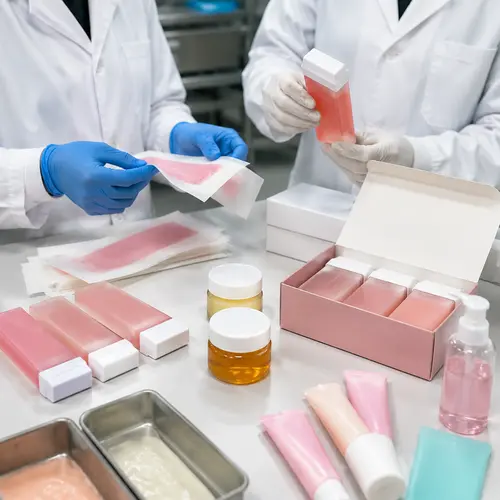
ODM Manufacturing Considerations
The supplier-selection question is whether the ODM can convert regional requirements into controlled production variables. Review the formula library, pilot capability, ingredient traceability, batch records, in-process checks, finished-product release criteria, and escalation procedure for deviations. A credible project file should connect the approved sample to the production batch without unrecorded substitutions or informal changes. For an operator qualifying an alternate source, a pilot run from 1,000 units can provide a controlled way to assess filling, sealing, carton packing, and shipment readiness before a larger allocation. Scale-up should use the same validated process wherever possible.
Ask specifically how the supplier manages sensitive formula information, supplier access, artwork files, and retained samples. Mature buyers should also examine audit readiness, worker standards, environmental records, insurance coverage, business-continuity planning, and the ability to reserve strategic capacity during raw-material disruption. These items are part of operational resilience, not presentation material. The hair removal OEM ODM services review should include quality, regulatory, procurement, and legal stakeholders before commercial approval.
For product families spanning cream, strips, wax, and aftercare, a shared sampling workflow can shorten decision cycles while preserving technical discipline. Use one brief that identifies market, body area, user type, pack format, claims boundary, storage profile, and required documentation. Then record each sample decision against formula version and packaging version. Buyers seeking sensitive skin hair removal products should require a separate irritation-risk review rather than simply adding a mildness claim. Buyers adding post-use positioning can assess a hair inhibitor serum OEM program only after confirming that its claims and market classification are appropriate.

Next-Step Checklist
- Map each target market by format, body area, climate, channel, and regulatory pathway.
- Select a controlled base formula and list the permitted regional adaptations.
- Approve filled samples for texture, dispensing, wax behavior, leakage, adhesion, and labeling.
- Define stability, compatibility, shipment, and batch-release acceptance criteria.
- Audit the supplier’s quality, ESG, information-security, and business-continuity evidence.
- Record pilot MOQ, production lead time, documentation scope, and escalation contacts before the launch gate.
For a formal project review, use the hair removal product RFQ to submit the target markets, product formats, sample scope, packaging requirements, and documentation expectations. Where waxing is central to the portfolio, review wax strips OEM capability against the same regional risk framework.
ODM Manufacturing Considerations
For private-label buyers, ODM planning should convert regional hair removal product preferences into controlled sample decisions rather than broad claims about market fit. Begin with a written product brief covering the removal method, target body area, skin-use instructions, fragrance direction, pack size, sales channel, and destination market. A facial depilatory cream, a salon sugar wax, and a roll-on wax cartridge require different confirmation criteria.
Sample confirmation and formula customization
Review the first sample under normal use conditions. For wax, record spreadability, pull behavior, brittleness, residue, melting point, and working temperature. For strips, check whether the wax layer transfers consistently, whether the release liner separates cleanly, and whether adhesion remains suitable after storage. For cream, review texture, odor, application time, rinse-off behavior, and irritation-risk documentation. Customization may include fragrance level, color, wax hardness, sugar concentration, cream feel, or aftercare format, but every change should be linked to a revised sample code and approval record.
Packaging compatibility and stability review
Packaging must be evaluated with the actual formula, not an empty container. Check tube seam integrity for creams, jar closure torque for sugar wax, strip pouch sealing, cartridge roller fit, and leakage after handling. Review deformation, label adhesion, odor transfer, and component interaction after storage at the planned temperature range. Shipment conditions should identify whether cartons travel by sea, air, or mixed distribution, and whether products may face prolonged heat, cold, vibration, or compression. These records help buyers distinguish a formula problem from a packaging or logistics problem.
MOQ, documents, and market release
Before approval, ask the supplier to define the MOQ for samples, customized formulas, printed components, and commercial production separately. Request a document pack appropriate to the destination market, such as an ingredient list using recognized nomenclature, product specification, certificate of analysis where applicable, safety data information when required, batch coding format, shelf-life basis, packaging specifications, and labeling artwork review. For products sold in the United States, buyers should examine the FDA regulatory framework for cosmetics and confirm that product claims, ingredients, and labeling responsibilities are allocated in writing. FDA also explains that cosmetics are regulated but generally are not preapproved before market entry, so supplier documentation does not replace the brand owner’s compliance review.
For a new market launch, retain approved reference samples and define what constitutes a reportable deviation. A supplier with a documented change-control process is particularly important when a brand changes factories after a quality incident, when a group introduces a new hair-removal category, or when headquarters imposes new environmental or supply-chain requirements.
Review the OEM/ODM service process alongside the manufacturing process so that technical approval, artwork release, production scheduling, and shipment booking are treated as connected steps.

Common Problems or Failure Cases
Wax brittleness or poor pull behavior
A hard wax or sugar wax may become brittle when the formula, storage temperature, or heating method does not match the intended market. Users may experience cracking rather than controlled removal. Ask for working-temperature guidance, comparative samples at realistic storage conditions, and a clear review of the wax surface after cooling. Do not approve based only on appearance in a warm factory room.
Strip adhesion loss
Wax strips can lose adhesion when the coating weight is inconsistent, the release liner is unsuitable, or sealed pouches admit moisture. A strip that appears acceptable at packing may perform poorly after transport. Verify coating uniformity, pouch seal integrity, release behavior, and removal performance after the planned storage period. Regional climate and distribution duration should be reflected in the test plan.
Cream separation and fragrance sensitivity
Depilatory cream separation may appear as oil release, water pooling, graininess, or a changed odor. The buyer should compare retained samples with the approved sample and review whether raw-material substitutions or processing changes occurred. Fragrance can also create complaints even when hair removal performance is acceptable. Request fragrance composition information where available, an unscented or reduced-fragrance option when appropriate, and a documented irritation-risk review. Avoid making sensitive-skin claims unless the evidence and local rules support them.
Roll-on cartridge leakage
Leakage commonly results from an imperfect roller fit, weak seal, excessive fill level, or wax movement during transport. Inspect the cartridge upright and inverted, after handling and after exposure to expected shipment conditions. Check that the roller turns smoothly without allowing wax to escape around the neck. Secondary cartons should prevent impact and compression without placing pressure directly on the cartridge.
Packaging deformation and aftercare mismatch
Thin plastic components may warp in hot distribution environments, while some closures become difficult to open after cold storage. Aftercare products can also be incompatible with the removal routine if the texture, fragrance, or pack format does not match the market position. Confirm closure function, label readability, and product identity after storage. Keep complaints traceable to batch, component lot, destination, and shipment condition.
Supplier Checklist
- Can the supplier provide controlled samples for depilatory cream, wax, strips, sugar wax, or roll-on cartridges with identifiable revision codes?
- Are formula changes, raw-material substitutions, fragrance changes, and packaging changes recorded through formal approval?
- Does the technical file include ingredient information, specifications, batch records, labeling support, and applicable safety documents?
- Can the supplier demonstrate checks for wax texture, melting behavior, strip adhesion, cream uniformity, cartridge leakage, and closure integrity?
- Are packaging components tested with the filled hair-removal product rather than evaluated separately?
- Are MOQ and lead-time commitments stated separately for samples, custom components, and routine production?
- Does the supplier define shipment conditions, carton configuration, temperature limits, and receiving inspection requirements?
- Is there a documented process for handling complaints, recalls, retained samples, and corrective action?
- Can the supplier provide evidence of restricted-access formula records, user permissions, and confidentiality controls?
- For strategic supply, are allocation rules, safety-stock principles, alternate raw-material sources, and escalation contacts written into the supply agreement?
- Are environmental records, wastewater controls, emissions data, and worker-treatment policies available for independent review rather than presented only as general assurances?
A buyer should also request a factory audit scope that covers compounding, filling, packing, storage, sanitation, batch traceability, and labor practices. This is especially important when a supplier is being qualified after a third-party audit failure or a sudden interruption at the incumbent factory.
FAQ
How can we protect a custom depilatory formula from being disclosed?
No supplier should promise absolute protection without evidence. Require a confidentiality agreement, restricted formula access, role-based system permissions, controlled sample distribution, batch-code traceability, and a documented offboarding process. Ask whether formula files are physically and digitally separated from general production records, who can export them, and how access events are logged. Independent audits and contractual remedies provide stronger assurance than a verbal commitment.
Can a factory guarantee priority supply when global raw materials are scarce?
A guarantee depends on the contract and the supplier’s purchasing structure. Ask for written allocation rules, approved alternative materials, minimum reserved capacity, inventory ownership, and escalation procedures for strategic accounts. Confirm that any substitution requires buyer approval and a new technical review. Priority language should state what happens during force majeure, allocation periods, and sudden demand increases.
How do we verify environmental transparency?
Request records covering wastewater treatment, emissions monitoring, waste disposal, energy use, and carbon-accounting boundaries for the relevant site. Ask whether data can be traced to utility bills, treatment logs, calibration records, and production volumes. A credible supplier should permit qualified independent review and explain gaps or estimates instead of presenting unsupported carbon claims. Environmental verification should be part of supplier qualification and periodic audit planning.
What should we do if a batch of cream separates after arrival?
Quarantine the affected stock, record carton and batch details, photograph the condition, and compare it with retained samples. Preserve information about transit duration, temperature exposure, and storage at the receiving warehouse. The supplier should investigate formula, filling, packaging, and shipment records before proposing rework or replacement. Do not mix affected stock with approved inventory.
How can we assess worker-treatment risks at an OEM factory?
Use an independent or qualified social-compliance audit covering age verification, payroll records, working hours, overtime consent, recruitment fees, grievance channels, and health and safety. Review whether temporary and contract workers are included. Buyer codes of conduct should require corrective-action deadlines and follow-up evidence, not merely a signed policy.
What insurance information should a private-label buyer request?
Ask for current product-liability and commercial general-liability certificates, policy limits, territorial coverage, exclusions, deductibles, and insurer details. Confirm whether claims involving allergic reaction, packaging leakage, contamination, recall costs, and cross-border sales are covered. Insurance does not replace batch controls, complaint investigation, or a clearly written allocation of responsibilities.
References
- FDA Authority Over Cosmetics supports the distinction between cosmetic regulation and premarket FDA approval.
- FDA color additive permitted-use information is relevant when colored wax, strips, creams, or aftercare packaging claims depend on permitted color use.