Direct Answer
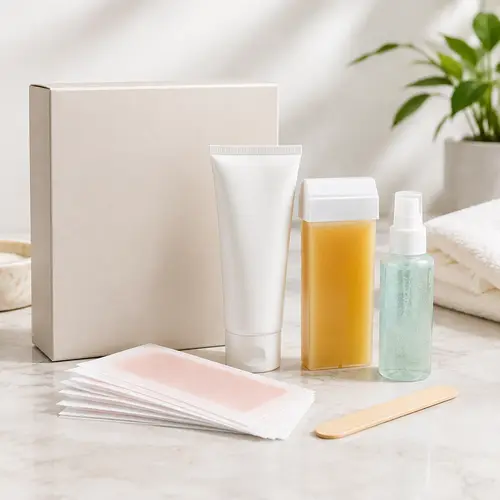
For most emerging hair-removal brands, a starter kit is the better first launch format, while a full routine bundle becomes more valuable after product-market fit is visible. A starter kit limits inventory exposure, simplifies compliance review, and lets you test one clear use case: for example, depilatory cream plus soothing aftercare, or wax strips plus a post-depilation gel. A full routine bundle can increase average order value and create a more complete customer experience, but it also multiplies formula, packaging, labeling, stability, and shipment variables.
The practical answer is to build the two formats from a shared product architecture. Use one hero removal formula, one compatible aftercare product, and packaging components that can support both a trial-sized starter kit and a larger routine bundle. This approach keeps hair removal product bundles commercially flexible without forcing a brand to commit to every SKU at launch. Your ODM partner should validate texture, irritation risk, package compatibility, and documentation before recommending the final assortment.
For an overview of [hair removal product solutions](https://wxmo.com/solutions/) across wax, cream, and aftercare formats, buyers can compare the operational implications before selecting a bundle structure.
Key Takeaways for Private Label Buyers
- Start with a focused starter kit when demand, repeat purchase behavior, or acquisition economics are still unproven.
- Use a full routine bundle when the removal method and aftercare sequence are already clear to the customer.
- Review formula and packaging as one system: viscosity, melting behavior, seal integrity, dispensing, and residue all affect the consumer experience.
- Request stability, compatibility, irritation-risk, and labeling documentation for every formula included in the bundle.
- Align sample scope and minimum order quantities with the launch test, rather than developing more products than the first channel can support.
- Design the bundle around a shared visual and ingredient story, while keeping each SKU independently sellable if demand changes.
Buyer Context
The starter-kit-versus-bundle decision matters because hair removal is a routine, not just a single transaction. A customer may purchase wax strips for a quick facial touch-up, then need a calming gel after removal. Another customer may prefer a depilatory cream for legs and a separate moisturizer-like aftercare product. Sugar wax, roll-on wax cartridges, hot wax, and cream each create different expectations for preparation, application, removal, and recovery.
For a new DTC brand, this creates a difficult balance. A starter kit is easier to explain in a social advertisement and usually requires fewer claims, components, and inventory decisions. It can also support a lower-risk launch on Shopify, Amazon, or TikTok Shop. However, a single product may leave revenue on the table if customers naturally need an aftercare step. A full routine bundle can communicate expertise and improve perceived value, but the brand must make every component work together. An inconsistent fragrance, incompatible texture, or confusing usage sequence can make the entire bundle feel unreliable.
Compliance planning is equally important. Product classification, ingredient review, responsible-person information, market-specific labeling, and product records should be mapped before artwork is finalized. For US launches, FDA cosmetic guidance and MoCRA-related obligations should be considered alongside product safety documentation. For European distribution, CPNP notification and the required safety file process need to be addressed before shipment. An experienced [hair removal OEM ODM services](https://wxmo.com/oem-odm-services/) team can help organize these workstreams, but the brand remains responsible for approving claims and market positioning.
Technical or Packaging Factors
Formula behavior determines bundle compatibility
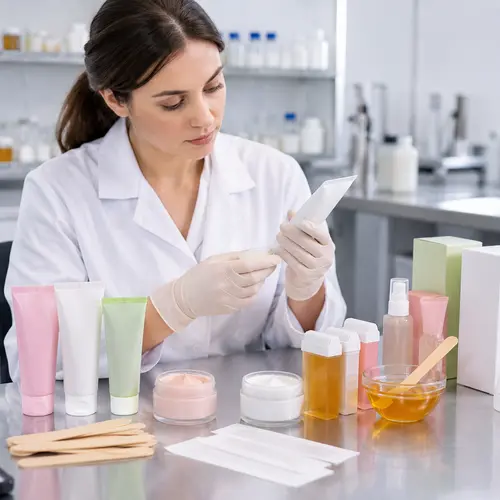
Each removal format has its own technical checkpoints. A depilatory cream should be reviewed for uniform texture, spreadability, odor profile, contact-time instructions, and irritation risk. The buyer should request documented formula specifications and an ingredient review rather than relying on a general sensitive-skin label. The [depilatory cream OEM](https://wxmo.com/depilatory-cream-oem-odm/) development process should also include package interaction testing, especially when the formula is filled into a tube, airless format, or jar.
Wax requires a different evaluation. Hot wax and sugar wax should be assessed for melting behavior, working temperature, stringing, hardness, and recovery after repeated heating and cooling. Roll-on wax cartridges need a controlled application flow and a leakage review under storage and shipment conditions. Wax strips require adhesion aging checks, release-layer performance, and consistent wax distribution across the strip. The objective is not simply a pleasant texture in the lab; it is predictable performance after transport and handling.
Aftercare should complete the use sequence
Aftercare products can make a starter kit feel complete without adding another removal method. A soothing gel or calming lotion should be checked for spread, residue, fragrance compatibility, and packaging fit. It should not cause the customer to question whether the product belongs in the same routine. Buyers evaluating [post-depilation care OEM](https://wxmo.com/post-depilation-care-oem/) options should ask for a clear ingredient rationale, irritation-risk review, and instructions that avoid unsupported medical claims.
Packaging and shipment conditions affect the result
Packaging decisions should follow the formula, not only the visual direction. Cream tubes need seal and torque checks. Jars need closure integrity and contamination controls. Wax cartridges need leak testing after heat exposure, cold storage, vibration, and repeated rolling. Sachets and wax strips need seal strength and moisture protection checks. If the bundle includes several formats, confirm that the outer carton protects each unit without creating excessive void space or crushing pressure.
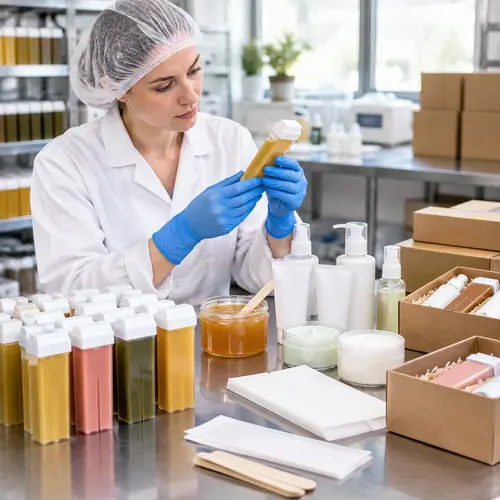
Ask the manufacturing partner how samples are filled, labeled, and tracked, and whether pilot samples use the same packaging materials planned for the first commercial run. A sample filled in a temporary lab container may not reveal interaction with the final plastic, adhesive, liner, or closure. The [hair removal manufacturing process](https://wxmo.com/manufacturing-process/) should show where sampling, filling, inspection, packaging, and shipment release occur.

Decision Framework Table
| Factor | What to Check | Why It Matters | ODM Buyer Note |
|---|---|---|---|
| Launch scope | One removal product, one aftercare product, or a larger sequence | Determines inventory exposure, education needs, and claim review | Use a shared formula and packaging architecture where possible |
| Formula performance | Texture, viscosity, melting behavior, working temperature, residue, and odor | Controls application consistency and customer satisfaction | Request retained samples and written specifications for every SKU |
| Irritation risk | Ingredient review, usage limits, patch-test language, and sensitive-skin positioning | Hair removal temporarily stresses the skin barrier | Do not treat a sensitive-skin claim as a substitute for review |
| Package compatibility | Tube, jar, cartridge, sachet, liner, seal, closure, and adhesive interaction | Prevents leakage, separation, drying, and unexpected odor changes | Test final materials rather than relying on generic packaging samples |
| Storage and shipping | Heat, cold, vibration, compression, and freeze-thaw exposure where relevant | Distribution conditions can change wax flow or cream stability | Define shipment limits and inspection criteria before dispatch |
| Documentation | Ingredient list, specifications, stability records, labeling files, and market documents | Supports compliant launch and retailer review | Build a document checklist into the sampling stage |
| Commercial flexibility | Sample scope, pilot quantity, replenishment timing, and SKU independence | Allows the brand to scale the winner without carrying slow items | Confirm whether the same formula can move from pilot to larger runs |
ODM Manufacturing Considerations
A practical development brief should define the target customer, removal area, format, desired texture, package type, launch markets, claims, and expected shipment conditions. It should also state whether the first objective is a low-risk market test or a complete routine launch. This distinction affects sample count, artwork review, documentation workload, and the appropriate pilot quantity.
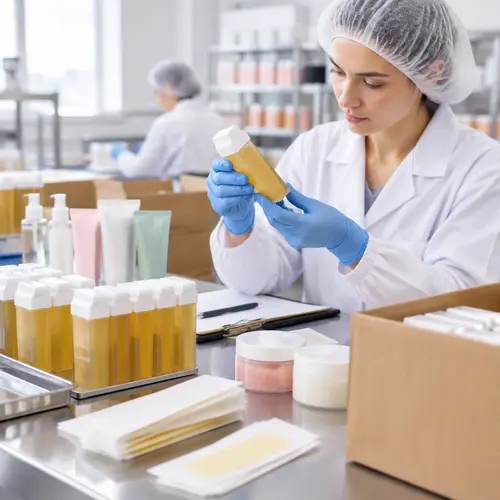
For founders working against a short trend window, parallel work matters. Formula sampling, packaging selection, stability planning, and compliance documentation can proceed together when the formula architecture is sufficiently mature. PZIK supports pilot runs from 1,000 units under ISO 22716 protocols and uses modular formulation libraries to shorten development cycles. Buyers should still verify the exact scope of testing, the final package materials, and the market documents included in their project.
Brands that want a product-specific comparison can review [private label depilatory products](https://wxmo.com/) and [hair removal product guides](https://wxmo.com/blog/), then use a written brief to request a [get a private label sample](https://wxmo.com/contact-get-a-quote/) discussion. For sensitive positioning, [sensitive skin hair removal products](https://wxmo.com/sensitive-skin-hair-removal/) provide a useful reference point for irritation review and usage communication.
Next-Step Buyer Checklist
- Choose the primary removal method and define the customer sequence from preparation through aftercare.
- Decide whether the first launch needs a starter kit, a full routine bundle, or one hero SKU with optional add-ons.
- Request formula samples in final or representative packaging, with texture, viscosity, melting, or adhesion criteria documented.
- Review stability, leakage, heat and cold storage, shipment, and label documentation before approving artwork.
- Confirm pilot quantity, replenishment timing, quality release criteria, and the route from sample approval to scalable manufacturing.
Operational ODM Manufacturing Considerations
For hair removal product bundles, sample approval should cover the complete user routine rather than isolated formulas. Ask for samples in the intended containers and test them in sequence: preparation, hair removal, residue cleanup, and aftercare. A depilatory cream may perform correctly alone but create an unpleasant fragrance combination when followed by a scented aftercare product. Likewise, wax residue may require an oil-based cleanup step rather than a water-based product.
The final approved sample should become the signed reference standard. Record color, odor, texture, fill weight, application behavior, removal performance, and acceptable appearance limits. For wax, specify the working temperature or softening range. For cream, define an acceptable viscosity range and dispensing behavior. Keep retained samples with both the buyer and manufacturing partner so later batches can be compared with the same reference.
Formula customization should begin with a written product brief covering target hair type, body or face use, desired application time, fragrance restrictions, market positioning, and ingredient exclusions. If the brand wants an imported botanical oil in an aftercare formula, request origin records, supplier specifications, and continuity information. A distinctive ingredient story is useful only when purchasing records can support it.
Evaluate the formula and package as a combined system. Check whether caps loosen, labels lift, printed decoration rubs off, cream attacks seals, or wax migrates around closures. Roll-on components should dispense consistently without becoming difficult to rotate. Stability protocols should include defined time points, acceptance criteria, retained controls, and realistic warehouse or transport excursions. Shipment planning should also state carton orientation, pallet pattern, container protection, batch coding, and any temperature limitations communicated to the freight provider.
MOQ must be separated by formula, component, decoration method, and finished SKU. A low finished-product quantity may still require a larger purchase of custom caps, printed cartons, or roll-on assemblies. Before approval, request an itemized MOQ map and determine whether unused components can be stored, applied to a later run, or shared across bundle variants. Buyers can review related capabilities through the OEM/ODM development overview and manufacturing process.
For labeling, collect the ingredient declaration, directions, warnings, net-content information, responsible-party details, lot-code format, shelf-life basis, and available quality records. The supplier can prepare technical inputs, but the brand remains responsible for confirming that claims and labels meet the destination market’s requirements.
Common Problems and Failure Cases
- Wax becomes brittle: The wax cracks during removal or breaks inside its container. Possible causes include an unsuitable resin-to-emollient balance, extended storage, or use below the intended working temperature. Compare the failed unit with the approved reference and review raw-material lot records before changing the formula.
- Wax strips lose adhesion: The strip lifts without removing hair consistently. Investigate wax coat weight, backing material, liner release, storage duration, and carton compression. Testing should use representative hair lengths and application pressure rather than appearance alone.
- Depilatory cream separates: Liquid collects at the opening, or the product becomes uneven after storage. Review batch mixing records, pH, emulsifier balance, filling temperature, and compatibility with the closure. Reblending a returned unit does not establish that the unopened stock remains acceptable.
- Roll-on cartridges leak: Wax appears around the roller or cap after transit. Common contributors include poor component tolerances, overfilling, trapped product on the sealing surface, or prolonged inverted storage. Inspect filled units from multiple production positions, not only samples taken at the beginning of filling.
- Fragrance causes complaints: A fragrance may be acceptable in a jar yet feel overwhelming during warm wax use or irritate recently treated skin. Review fragrance level, allergen documentation, intended application area, and whether an unscented aftercare option is needed.
- Packaging deforms: Jars, tubes, or cartridge bodies distort during storage or distribution. Confirm resin specifications, wall thickness, fill conditions, and packed-carton performance. Do not assume that a visually similar package uses equivalent material.
Supplier Checklist
- Request hair-removal category experience supported by actual formula and packaging examples.
- Define the sample scope, revision count, sample charges, lead times, and courier conditions in writing.
- Approve a signed formula specification and physical reference sample for every SKU.
- Confirm target viscosity, pH, wax working range, fill weight, odor, color, and application criteria where relevant.
- Ask for an irritation-risk review appropriate to the depilatory ingredients, fragrance level, use area, and directions.
- Review component drawings, material declarations, closure tolerances, and decoration specifications.
- Obtain a stability plan with test intervals, acceptance limits, and responsibility for failed results.
- Break down MOQ by formula, primary package, printed material, and finished bundle.
- Verify ingredient lists, warnings, directions, batch records, certificates of analysis, and traceability records.
- Require written change control for formula ingredients, component suppliers, artwork, and test methods.
- Confirm confidentiality terms before sharing unreleased formulas, claims, artwork, or launch plans.
- Document carton configuration, shipment orientation, storage instructions, and procedures for damaged or leaking deliveries.
FAQ
What should be approved before placing the first commercial order?
Approve the formula specification, packaged reference sample, artwork, ingredient declaration, warnings, fill weight, bundle configuration, quality limits, coding format, and shipping carton. Verbal approval is insufficient when texture, fragrance, or component tolerances are important.
Can an Asian manufacturing partner genuinely meet Western clean beauty and cruelty-free expectations?
Location alone does not determine compliance. Define the brand’s clean-beauty restricted list because there is no single universal clean standard. For cruelty-free positioning, request signed testing policies and relevant supplier declarations. If organic or natural certification is claimed, verify the scope and chain-of-custody requirements against programs such as Ecocert.
Will a low MOQ make the unit cost incompatible with customer acquisition costs?
It can if custom components, setup costs, testing, and freight are spread across too few units. Model contribution margin using landed cost rather than formula cost alone. A standard package, shared components across several hair removal product bundles, and fewer printed variations can protect early-stage economics without removing formula differentiation.
Will a turnkey or existing formula base make the brand look generic?
Not necessarily. Differentiation can come from texture, fragrance strategy, application time, target body area, wax working properties, aftercare pairing, packaging format, and verified specialty ingredients. Ask which elements are exclusive, customizable, or shared, then test competitor products against the proposed sample.
How should depilatory ingredient risk be reviewed?
Review concentration, pH, exposure time, use area, warnings, and consumer instructions together. Thioglycolate-based systems require especially careful specification and safety substantiation. The CIR safety assessment resources for thioglycolates provide useful ingredient-level context, but they do not replace evaluation of the finished formula.
Which documents matter most for importing and labeling?
Request the complete ingredient list, product specifications, batch identification method, safety support, quality records, label copy inputs, and shipment documents. In the United States, cosmetics are regulated rather than routinely preapproved, as explained by the FDA’s cosmetics authority guidance. Claims and intended use must remain consistent with the applicable product category.