Direct Answer
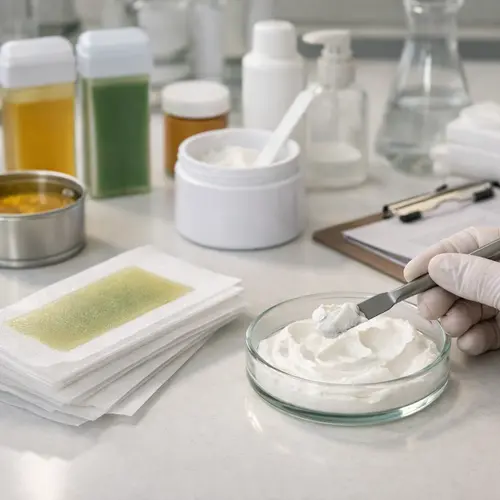
Wax strips vs depilatory cream is not a simple question of which product removes more hair. The better format depends on the user experience your brand wants to own, the body area, the target skin profile, and the operating model behind the launch. Wax strips offer a fast, visible removal ritual with a strong before-and-after effect. They are convenient to demonstrate on video, require no heating, and can support travel-size or ready-to-use kits. Depilatory cream dissolves hair at the skin surface, usually creating a softer, lower-pull experience, but it requires more precise use instructions, irritation review, and packaging protection.
For private-label buyers, the decision should be made as a product system: formula or wax base, applicator or strip construction, pack format, storage conditions, labeling, sample feedback, and scale-up controls. A capable ODM partner can develop both routes in parallel, then compare real samples with your audience before you commit to a hero SKU.
Key Takeaways for Private Label Buyers
- Choose the experience first. Wax strips create a quick, tactile removal moment; cream supports a spread, wait, and rinse routine with less pulling.
- Match the format to the body area. Strip dimensions, wax flexibility, cream coverage, and removal instructions should be designed for legs, underarms, face, or bikini areas separately.
- Review the complete formula or wax system. Check adhesion, residue, fragrance, color, spreadability, rinse behavior, and the intended skin-use instructions.
- Test packaging as part of the product. Heat exposure can affect wax strips and cream viscosity; seals, tubes, sachets, and cartons must survive storage and shipment.
- Validate the social-media moment. A visually clear strip pull, clean cream removal, or unusual texture can improve content performance, but only when the real user result is consistent.
- Start with controlled samples. A pilot from 1,000 units can help test demand while preserving a path to 500,000+ units without changing the approved product direction.
Buyer Context
Hair-removal buyers are often comparing more than two formulas. Their shortlist may include depilatory wax, ready-to-use wax strips, sugar wax, roll-on wax cartridges, depilatory cream, and post-depilation care. Each format creates a different promise at the shelf and on camera.
Wax strips are naturally demonstrable. The package opens, the strip is pressed and removed, and the result can be shown in seconds. That makes the format attractive for creator-led brands seeking a recognizable content asset. The tradeoff is that performance depends on strip size, backing flexibility, wax coating, hair length, application pressure, removal angle, and temperature. A strip that performs well in a controlled sample review may feel too aggressive, too sticky, or too weak when used by a wider audience.
Cream is less dramatic but can be easier to position around a smooth, low-pull routine. The user spreads a consistent layer, waits for the specified time, and removes or rinses the product. The formula must balance hair-dissolving performance with a tolerable sensory profile. Odor, stinging, residue, uneven coverage, and the temptation to leave the product on too long are practical risks that need to be addressed in the product design and directions.
These differences matter commercially. A DTC brand may prefer a compact wax-strip kit for travel, a larger cream tube for repeat use, or a paired system with soothing aftercare. A salon distributor may value predictable application and cleanup. A subscription box may need stable, compact packaging with a clear shelf presentation. The right decision comes from the intended use case, not from a generic claim that one format is universally superior.
For an overview of category options, review hair removal product solutions and the broader hair removal OEM manufacturer portfolio. Both can help frame the product brief before sampling begins.
Technical and Packaging Factors
Formula and wax behavior
For wax strips, the key review points are coating uniformity, adhesion strength, flexibility, residue, and performance across expected storage temperatures. The wax should transfer evenly from the strip, grip the intended hair without excessive skin drag, and remain usable after the package has been opened. Buyers should request samples from the center and edges of a production run, not only a hand-filled laboratory sample.
For depilatory cream, review viscosity, spreadability, odor, color stability, removal ease, and the consistency of the hair-dissolving result. A formula that is too thin can run and create uneven coverage. One that is too thick may be difficult to distribute, especially in underarm or contoured areas. Ask the manufacturer to document the target texture and the acceptable release range so that pilot production and later manufacturing remain aligned.
Both formats require an irritation-risk review appropriate to the intended body area. User directions should cover a small-area test, application limits, contact time, rinsing or removal, and when not to use the product. Products intended for the face, underarms, or bikini area need a narrower and more carefully reviewed use brief than a leg product. The sensitive skin hair removal products category is a useful reference when defining a mild-use positioning.
Packaging compatibility and shipment
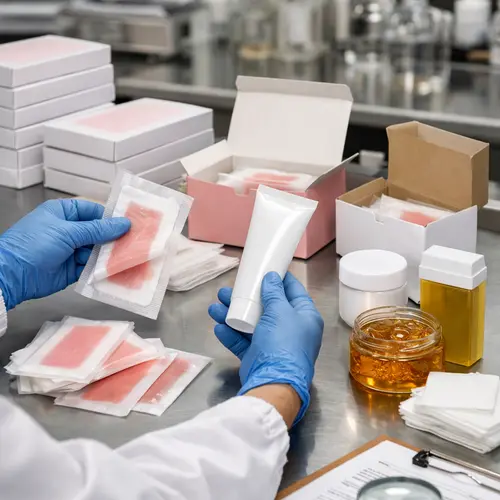
Wax strips are sensitive to heat, compression, and adhesive transfer inside the pack. Check whether the individual pouch, release liner, carton, and outer case protect the strips from dust, curling, and premature adhesion. Request heat and cold storage observations, carton compression checks, and a leakage or residue review after simulated shipment. For sugar wax and roll-on wax, confirm that the jar, cartridge, cap, roller, and seal remain compatible with the wax base throughout storage.
Cream packaging must protect the product from leakage, drying, and contamination during repeated use. Tubes, sachets, and airless-style formats can each be considered, but the choice should follow the cream texture and the planned dispensing behavior. Check tube recovery, cap closure, seal integrity, label adhesion, and compatibility between the formula, print ink, and primary container. A visually strong pack is only useful if it arrives clean and remains easy to use in a humid bathroom.
Storage and shipment conditions should be part of the quotation and sample brief. Ask which temperature range the supplier uses for stability observation, how cartons are protected during hot or cold transit, and whether the product needs special warehouse handling. The hair removal manufacturing process should show how sampling, filling, packaging, inspection, and shipment connect. For cream development, see depilatory cream OEM; for strip and wax formats, see wax strips OEM.
Decision Framework Table
| Factor | What to Check | Why It Matters | ODM Buyer Note |
|---|---|---|---|
| User sensation | Pull, sting, odor, residue, and rinse or removal effort | These details shape repeat purchase and review sentiment | Test samples with the exact intended body-area directions |
| Performance | Hair length guidance, coverage, adhesion, spread, and removal consistency | Inconsistent results create returns and negative creator content | Compare several users and document the target result |
| Texture | Strip flexibility, wax tack, cream viscosity, and color stability | Texture affects both usability and on-camera appeal | Approve a retained reference sample for scale-up |
| Packaging | Pouch or tube seal, cap closure, liner, label, and carton protection | Packaging failure can cause leakage, drying, sticking, or damage | Run compatibility and shipment checks before final artwork |
| Storage | Heat, cold, humidity, compression, and post-opening behavior | Distribution conditions can change wax or cream performance | Define shipment assumptions in the product specification |
| Launch readiness | Ingredient list, directions, warnings, batch records, and market documents | Clear documentation supports a controlled market release | Ask for the document list before approving the first order |
A practical development path is to brief both formats around one audience and one body area, then compare the samples against the same criteria. The hair removal OEM ODM services process should cover formula selection, packaging options, sample revisions, and production planning in one conversation. Confirm whether the supplier can maintain the same formula and package specifications from pilot to larger volume, rather than requiring a new formula after demand increases.
For creator-led launches, the fastest route is usually a focused brief: target market, body area, user sensation, visual identity, pack size, desired launch date, and acceptable cost range. Request a transparent BOM, sample scope, expected production timing, and shipment assumptions. PZIK’s operating model supports seven-day sampling for selected concepts, formulation-to-shelf cycles under 30 days, and pilot production from 1,000 units under ISO 22716 requirements. These figures should be confirmed against the specific formula, packaging, testing, and destination market before they become a launch commitment.
Next Step for Product Teams
Build a side-by-side sample brief before choosing wax strips or cream. Include the intended hair area, skin-use positioning, texture reference, fragrance direction, pack format, storage route, target market, and required labeling documents. Then ask the supplier to explain the sample revision process, formula lock, packaging compatibility review, quality checks, and scale-up path. A structured request through request a hair removal product quote can turn a broad product idea into a comparable development plan.
ODM Manufacturing Considerations
For a private-label hair-removal product, the first manufacturing decision is not whether the product looks attractive in a sample jar. It is whether the approved sample can be translated into a repeatable formula, a compatible pack, and a documented shipment plan. A useful ODM process separates creative approval from technical approval so the brand knows exactly which version is ready for production.
Begin with a sample confirmation sheet. Record the wax color, fragrance level, strip dimensions, surface feel, melting behavior, application thickness, removal performance, and aftercare expectations. For depilatory cream, record viscosity, spreadability, odor, contact-time instructions, rinse behavior, and the appearance of the skin after use. The buyer should approve a retained sample with a clear version number, date, and signed specification. Verbal approval based on a video call is not enough for a formula that may later be compared across batches.
Formula customization should be handled through defined variables. A wax formula may need adjustment for firmness, flexibility, skin feel, residue, or performance in a warm climate. A cream may require changes to viscosity, fragrance intensity, color, or packaging fill behavior. Ask the supplier which changes affect cost, lead time, required testing, and shelf-life expectations. The manufacturer should also identify ingredients that may create fragrance sensitivity or require additional label statements in the destination market.
Packaging compatibility must be checked with the actual formula and the actual component. Wax strips need a release layer, adhesive balance, wrapper, and carton that protect the wax during storage and transport. Cream requires a tube, cap, seal, and filling process that prevent drying, leakage, or unwanted interaction with the pack. Roll-on wax cartridges need an evaluation of the roller ball, neck, seal, and upright shipping position. Request filled-pack samples rather than reviewing empty packaging alone.
A stability review should cover the conditions expected in the sales channel. Ask for observations after heat exposure, cold exposure, repeated temperature changes, and normal storage. Inspect wax for cracking, oil migration, excessive softening, or loss of adhesion. Inspect cream for separation, gas formation, color change, odor change, and altered spreadability. The review should identify the test period, storage conditions, sample count, acceptance criteria, and any limitations. It should not be presented as a guarantee that every user will have the same experience.
Confirm MOQ at the level that actually drives the order: formula batch, filled unit, printed component, carton, or finished SKU. A low unit quantity may still require a large packaging purchase if custom artwork has a high print minimum. Request a line-item BOM, component assumptions, tooling charges, sample charges, testing charges, and estimated freight. This gives the brand a clearer view of the true launch cost.
Labeling documents should be agreed before artwork is finalized. Depending on the destination, the package may need an ingredient declaration, net contents, batch identification, use directions, warnings, responsible-party details, and storage instructions. For US-market depilatories, review the applicable FDA information for depilatory products in 21 CFR 358. For Gulf markets, confirm the applicable requirements under the Gulf Standardization Organization framework. The supplier should provide the documents and product data needed for the buyer’s own market review.
Shipment conditions should be written into the order documents. Define acceptable temperature exposure, carton stacking, orientation, pallet configuration, outer-carton markings, and procedures for damaged goods. Wax can soften in high heat, while cream tubes can deform under compression or leak if seals are stressed. A launch plan should also reserve a production window for a social-media response without assuming that urgent orders will automatically displace existing customers.
Review the OEM/ODM service process and manufacturing process details together so sample approval, production, and shipping responsibilities are visible to both sides.

Common Problems or Failure Cases
Wax brittleness: A strip may crack when folded, lifted, or applied if the wax layer lacks flexibility or has been affected by cold storage. Compare strips from different cartons, record the storage history, and test application at the intended room temperature. The corrective action may involve the wax blend, coating weight, backing material, or storage instruction.
Loss of strip adhesion: Weak grip can result from uneven coating, a contaminated release surface, excessive heat, or a formula that softens during transit. Check adhesion on the intended body area using the approved application pressure and removal angle. Do not judge performance from a single strip; compare units from the beginning, middle, and end of a packed case.
Cream separation: A separated cream may show oiling, watery leakage, lumps, or a changed odor. Investigate filling temperature, mixing consistency, storage exposure, and the interaction between the cream and tube material. A sample that appears acceptable immediately after filling may still fail after temperature changes, so filled-pack observations matter.
Cartridge leakage: Roll-on wax can leak through the roller assembly, cap, neck, or seal when stored sideways or exposed to heat. Test the cartridge in its intended shipping orientation and after controlled inversion. Inspect the outer carton for residue because minor leakage may be missed when only the cartridge is examined.
Fragrance sensitivity: A strong scent can improve the first impression while creating complaints for users who prefer low-fragrance products. Ask for a fragrance-free or reduced-fragrance option, review the ingredient list, and include clear use warnings. Do not use fragrance to mask an unstable cream odor or a burnt wax note.
Packaging deformation: Thin tubes, wrappers, or cartons may buckle under heat, compression, or pallet stacking. Approve the finished pack under realistic shipment conditions and check cap fit, seal integrity, barcode readability, and carton recovery after handling. Product appearance is part of the user experience, but pack deformation can also affect usability and trust.
Supplier Checklist
- Can the supplier provide a numbered sample record and a physical approved reference for each formula and pack version?
- Can it explain which formula changes are possible, which ingredients are fixed, and how each change affects cost, timing, and user instructions?
- Are wax firmness, melting behavior, cream viscosity, odor, color, and spreadability measured against written acceptance criteria?
- Has the filled product been checked for tube, seal, cap, wrapper, carton, or cartridge compatibility?
- Does the stability review include heat, cold, temperature changes, appearance, odor, leakage, adhesion, and separation?
- Are MOQ, sample scope, printed-component minimums, testing charges, BOM assumptions, and freight estimates shown separately?
- Can the supplier provide ingredient, batch, labeling, warning, and storage documents for the target market?
- Is there a documented method for handling deviations, complaints, damaged cartons, and batch traceability?
- Can the factory explain available capacity, reserved production windows, and response options when a product suddenly receives a large order?
- Does the account team understand the intended social-media presentation while still recording technical requirements in written specifications?
FAQ
How can I protect my concept and formula from being copied?
Use a written confidentiality and ownership agreement before sharing full artwork, customer data, or proprietary formula targets. Define who owns custom development, samples, test records, molds, and unused components. Ask the supplier to identify which base formulas or standard ingredients are already shared across its catalog. The agreement should also restrict disclosure to subcontractors and clarify what happens when the project ends.
Can the sample have the dramatic color or texture needed for social-media content?
Usually, the visual direction can be customized within performance and labeling limits. Specify the target color, opacity, gloss, foam or stringing effect, wax appearance, and how the product should look under the intended lighting. Review the physical sample in the same type of video setup used for launch content. A camera-friendly appearance should not override spreadability, removal performance, storage behavior, or clear user instructions.
Can a supplier guarantee that customers will not experience severe irritation?
No responsible manufacturer can guarantee an identical response for every user. The supplier should document ingredient information, warnings, usage limits, sample observations, and batch controls, while the brand should use appropriate claims and consumer instructions. Ask how complaints are recorded, investigated, and linked to batch information. A structured quality process reduces avoidable risk, but it does not eliminate individual sensitivity or misuse.
What if I do not understand cosmetic ingredients or manufacturing terms?
Require the account team to convert marketing goals into measurable product requirements. For example, say that the cream must spread in a thin layer, have low fragrance, and remain stable in a warm sales region. Ask for a plain-English summary of tradeoffs, a sample comparison, and a written decision log. The most useful partner can discuss both the user-facing story and the manufacturing limits without leaving either side vague.
What happens if a video goes viral and demand rises suddenly?
Ask for a capacity plan before launch, including normal output, maximum practical output, component availability, and the conditions for reserving production time. Agree on a forecast-update process and a priority rule for additional orders. A factory may have adequate equipment but still face limits from custom tubes, printed wrappers, wax materials, or filling slots. Transparent capacity assumptions are more useful than a general promise of fast delivery.
Which product is easier for a first private-label launch?
Wax strips can be simpler when the brand wants a dry, portable format with limited user preparation. Cream may offer broader texture and fragrance customization but requires closer attention to contact-time directions, filled-pack stability, odor, and skin-use warnings. The better choice depends on the target body area, climate, retail channel, consumer skill level, and content strategy. Approve both the product experience and the operating requirements before selecting the format.
References
For US-market depilatory product information, consult FDA OTC monograph 21 CFR 358 for first-aid antiseptics and depilatories. For Gulf-market requirements, consult the Gulf Standardization Organization.