Direct Answer
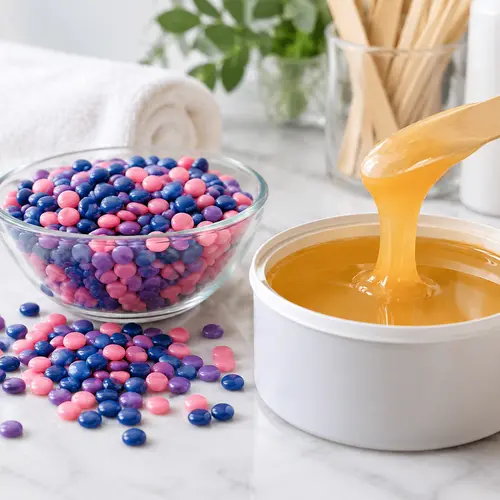
For most creator-led salon brands, the best first SKU in the hard wax vs soft wax decision is a flexible hard wax bead formula. It creates a stronger visual moment on camera, needs no removal strips, and fits high-interest services such as bikini, underarm, facial, and precision waxing. Hard wax is typically applied in a thicker layer and removed after it sets, while soft wax is spread thin and removed with a fabric or paper strip. Soft wax remains the better operational choice for fast coverage of legs, arms, backs, and other large areas. ([healthline.com](https://www.healthline.com/health/soft-wax-vs-hard-wax)) The commercial answer is therefore simple: source hard wax first when brand differentiation, social content, and sensitive-area positioning lead the launch. Source soft wax first when salon throughput, large-area services, and lower product cost per application matter more. Brands serving both use cases should sample both formats before choosing the hero SKU.
Key Takeaways for Private Label Buyers
- Lead with the service promise. Hard wax supports precision and comfort-led positioning; soft wax supports speed and broad body coverage.
- Test the finished behavior, not only the ingredient list. Review melt consistency, spread, working time, hair grip, residue, brittleness, and removal in the intended salon environment.
- Treat packaging as part of performance. Wax beans need moisture-resistant, resealable packs. Soft wax jars and roll-on cartridges need heat, seal, cap, and leakage checks.
- Request a complete sample system. Include pre-wax preparation, applicators, strips where required, and compatible after wax care products rather than evaluating wax alone.
- Keep the first production run focused. One wax format, one signature color or scent direction, and one clear body-area story are easier to demonstrate and scale than a broad launch assortment.
- Verify speed claims early. Ask whether the supplier can support a 7-day first-sample sprint, a 1,000-unit pilot, transparent BOM costing, and an estimated shipment plan before artwork begins.
Buyer Context
A wax SKU is not simply another cosmetic product. Its texture controls the application shot, the removal moment, the salon workflow, and the customer review. A creator can show glossy wax melting into a smooth ribbon, colorful hard wax beans pouring into a warmer, or a clean strip pull in a few seconds. That visual clarity makes waxing unusually suitable for short-form content, but it also makes poor texture immediately visible.
Hard wax generally offers the stronger hero-product story. The beads, melt transition, controlled spread, matte or glossy finish, and stripless removal produce multiple content moments from one service. It also aligns naturally with smaller or more sensitive treatment areas. Soft wax is less theatrical, but it can be commercially efficient for salons built around rapid leg, arm, chest, or back services. Consumer guidance likewise distinguishes hard wax for smaller sensitive areas and soft wax for larger body areas. ([healthline.com](https://www.healthline.com/health/soft-wax-vs-hard-wax))
The first sourcing decision should begin with the customer and service menu, not a generic comparison chart. A brow-focused creator brand may need a low-stringing hard wax that holds a precise edge. A body-waxing chain may prioritize thin spreading and fast strip removal. An at-home launch may need clearer temperature cues, smaller pack sizes, safer handling instructions, and a complete kit. Buyers can compare these routes through waxing product solutions and the broader private label waxing products range.
Format also affects adjacent SKUs. Soft wax requires strips and often a residue-removal step. Hard wax may require stronger education around melt control and edge creation. Either format can be paired with pre-wax cleanser, soothing gel, oil, wipes, or an after hair removal serum. If the audience is particularly reactive, evaluate the wax and aftercare together under a sensitive skin hair removal products brief.

Technical and Packaging Factors
Formula Behavior in Real Services
The most useful sample review starts with a warmer, representative hair types, and a timed service simulation. For hard wax, check how evenly the beans melt, whether the texture stays workable, how thinly it can spread without tearing, and whether the removed piece remains flexible. Brittle wax can crack during removal; overly elastic wax can stretch or leave strings. A consumer reference point sometimes cited for hard wax application is around 130°F, but the correct operating window must come from the final supplier instructions and validation for that specific formula. ([healthline.com](https://www.healthline.com/health/soft-wax-vs-hard-wax))
For soft wax, review viscosity, strip saturation, pull consistency, residue, and whether the formula spreads into a controlled thin layer. Soft wax adheres to both hair and the skin surface, so repeated passes on one area require particular caution. Hard wax is designed to grip hair more selectively, although actual performance still depends on formula, technique, hair length, temperature, and treatment area. ([healthline.com](https://www.healthline.com/health/soft-wax-vs-hard-wax)) A credible hair removal OEM ODM services partner should translate the content concept into measurable sample criteria instead of asking the founder to choose from color chips alone.
Packaging, Storage, and Shipment
Hard wax beans are often packed in pouches, tubs, or jars. The pack should reseal cleanly, resist puncture from the beans, protect the product from dust and moisture, and remain stable through warehouse temperature swings. Confirm net weight tolerance, zipper performance, print scuffing, and whether the opening allows controlled pouring into a warmer. Large salon packs may reduce unit packaging cost, while smaller retail packs are easier to demonstrate, ship, and bundle.
Soft wax packaging has different failure points. Jars need lid-torque and liner checks. Roll-on wax cartridges need roller movement, seal integrity, cap fit, and leakage review after heat and cold exposure. Wax strips require adhesion-aging checks because the wax layer, backing material, release sheet, and pouch all affect the pull. These controls should appear in the documented hair removal manufacturing process, alongside filling, finished-pack inspection, and shipment review. For brands considering wax beside cream formats, a separate custom depilatory cream formulation brief is necessary because the use instructions, pack compatibility, and safety review are materially different.
Target-market review should begin before final artwork. European buyers can screen cosmetic ingredient names and functions through the European Commission’s CosIng ingredient database. Saudi-bound projects should confirm applicable product and importer steps through the SABER conformity certification platform. The supplier should also provide the agreed ingredient declaration, batch documents, safety information, label copy inputs, and shipment conditions for the selected market.
Decision Framework Table
| Factor | What to Check | Why It Matters | ODM Buyer Note |
|---|---|---|---|
| Hero use area | Face, bikini, underarm, legs, arms, back, or mixed service menu | Hard wax favors precision areas; soft wax favors broad, flat areas | Choose one primary use case before requesting samples |
| Texture | Melt uniformity, viscosity, spread, flexibility, residue, and finish | Texture controls service quality and camera appeal | Approve against a written sample scorecard |
| Salon speed | Application time, set time, strip handling, cleanup, and reheating | A beautiful formula can still slow daily production | Test with the intended warmer and applicators |
| Packaging | Pouch seal, jar lid, liner, cartridge roller, cap, and label adhesion | Heat and transport can expose leakage or deformation | Review filled packs, not empty packaging samples |
| Skin positioning | Fragrance level, colorants, residue, removal behavior, and aftercare | Comfort claims must match the complete service experience | Include an irritation-risk review in sample approval |
| Launch economics | MOQ, sample scope, accessories, BOM, carton size, and freight estimate | The wax price alone does not show total launch cost | Use a complete hair removal product RFQ |
| Scale readiness | Batch repeatability, production lead time, backup materials, and capacity | Viral demand can expose weak manufacturing planning | Review the hair removal OEM manufacturer capability before deposit |
Before selecting the final format, ask for side-by-side samples with the same color and scent direction. Film the melt, application, hold, pull, and finish under the lighting used for launch content. Then compare performance notes with pricing and pack options. Additional waxing and depilatory guides can support the brief, but the purchase decision should rest on physical samples and a documented approval standard.
ODM Manufacturing Considerations
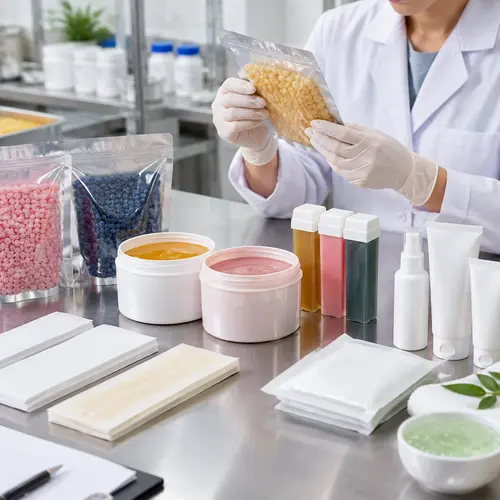
Sample confirmation should convert a creative concept into a measurable production standard. Before approving any hard wax, soft wax, sugar wax, depilatory cream, or roll-on wax, define the acceptable color, fragrance strength, texture, application thickness, setting behavior, hair hold, residue level, and finish. The approved sample should become a signed master reference supported by a written specification. This prevents later disputes based on subjective descriptions such as ‘more flexible,’ ‘less sticky,’ or ‘more matte.’
Customization should begin with the service scenario rather than a trend ingredient. Tell the supplier whether the product is intended for facial hair, underarms, bikini services, legs, or high-volume salon use. For hard wax beans, useful adjustments may include flexibility, setting speed, opacity, and grip on short hair. For soft wax, the development brief may focus on spreadability, strip release, residue, and working time. Ask how each requested change could affect production repeatability, fragrance, color, cost, and filling speed.
Packaging compatibility must be confirmed with the actual finished formula and intended pack. Container resin, seals, closures, applicators, decorative coatings, and label adhesives can react differently after filling. A stable bulk wax does not automatically mean the complete retail pack will remain clean, easy to use, and visually consistent. Review filled units after conditioning at elevated and low storage temperatures, then inspect seals, container shape, label lift, oil migration, and dispensing behavior.
The stability plan should cover appearance, odor, texture, weight change, separation, and normal use performance throughout the intended shelf period. Depilatory cream requires particular attention because separation, thinning, discoloration, or odor change can make a batch unsuitable even when the package remains intact. The buyer should receive the study scope, test intervals, acceptance limits, and results rather than a simple statement that the item ‘passed.’
Confirm minimum order quantities separately for bulk production, fragrance or color variants, decorated containers, printed cartons, and accessories. Request a transparent bill of materials showing the main cost drivers, tooling or printing charges, expected waste allowances, and estimated freight assumptions. This makes it easier to compare a hard wax launch with a soft wax kit without overlooking strips, spatulas, liners, or secondary packaging.
Labeling documents should include the final ingredient list, product specification, batch identification format, net-content statement, directions, warnings, storage instructions, and artwork approval record. For EU-bound cosmetics, buyers can use the European Commission’s CosIng ingredient database to research common ingredient names, while recognizing that the database is informational and does not by itself establish whether a finished product may be marketed. ([single-market-economy.ec.europa.eu](https://single-market-economy.ec.europa.eu/sectors/cosmetics/cosmetic-ingredient-database_en?utm_source=openai)) For Saudi shipments, confirm the product classification and required registrations or shipment certificates through the SABER conformity certification platform. ([saber.sa](https://saber.sa/Home/Index?culture=en-US&utm_source=openai))
Shipment conditions should specify release inspection, carton strength, case quantity, pallet configuration, route, seasonal temperature risk, and handling instructions. Buyers reviewing a supplier’s manufacturing process should also ask when finished goods become available for inspection and which documents must be approved before loading.

Common Problems or Failure Cases
Hard wax becomes brittle: The wax may crack during removal when the formula, applied thickness, setting time, or salon temperature falls outside the approved range. The production specification should define acceptable flexibility and removal behavior, not only color and fragrance.
Wax strips lose adhesion: Pre-coated strips can show weak grip after storage if the wax layer migrates, dries, or interacts with the strip substrate or pouch. Evaluate aged samples from the final printed pack and confirm that strip release remains consistent.
Depilatory cream separates: Visible liquid, graininess, or uneven texture can develop when the formula is not robust enough for storage and transit. Inspect samples at several time points and require clear acceptance criteria for appearance, odor, viscosity, and dispensing.
Roll-on cartridges leak: Leakage may come from the roller fit, closure design, fill level, formula flow, or deformation during shipping. Test upright, inverted, and packed positions using the exact cartridge and cap selected for production.
Fragrance creates avoidable sensitivity complaints: A strong scent may support brand styling but can also narrow user acceptance. Review fragrance level, declaration requirements, warning language, and an unscented option when the target market includes sensitive-service salons.
Packaging deforms: Jars, pouches, or cartridges may dent, soften, expand, or lose their seal during warehousing and transportation. Corrective action may require a different container material, more headspace, stronger secondary packaging, or revised shipment timing.

Supplier Checklist
- Request a written sample brief covering service area, hair type, texture, finish, fragrance, color, and use method.
- Approve a physical master sample and a production specification with measurable acceptance limits.
- Confirm ownership terms for formulas, artwork, molds, packaging files, and custom development records.
- Review ingredient lists, irritation-risk considerations, warnings, directions, and target-market labeling documents.
- Verify finished-product stability scope, packaging compatibility, batch traceability, retained samples, and complaint handling.
- Ask for minimums by formula, variant, component, and decoration method rather than one blended quantity.
- Obtain an itemized bill of materials, estimated logistics cost, payment stages, and change-order rules.
- Confirm normal monthly output, reserved capacity, component lead times, and the procedure for urgent replenishment.
- Inspect shipment release criteria, carton specifications, pallet plan, loading conditions, and required export documents.
- Choose a contact who can translate marketing goals into measurable product standards and production decisions.
A supplier’s OEM/ODM services should make these points visible before the buyer commits to commercial manufacturing.
FAQ
Should a salon brand launch hard wax and soft wax at the same time?
Usually not. A focused first SKU is easier to train, position, forecast, and control. Add the second format after the brand has verified salon feedback, repeat purchase, service economics, and production consistency.
Can a factory take my idea or custom formula and sell it to another buyer?
No agreement can remove every business risk, but buyers can reduce exposure. Use a signed confidentiality agreement, define ownership of custom work, restrict use of artwork and brand assets, identify which formula elements are exclusive, and keep dated records of every approved version. Ask how the supplier controls access to development files and samples.
Can quality controls guarantee that no customer will have a bad reaction?
No responsible supplier should promise zero reactions. Risk reduction depends on ingredient review, controlled raw materials, production records, batch testing, retained samples, clear directions, warnings, and complaint traceability. Fragrance level and service-area instructions deserve special attention. The buyer should also approve claims and usage language before printing.
What should count as final sample approval?
Approval should cover the filled product, not only bulk wax. Sign off on texture, color tolerance, fragrance, application, removal, residue, container, closure, labeling, and carton. Record the approved sample code and specification version in the purchase order.
Which documents should be approved before production starts?
At minimum, approve the product specification, ingredient list, packaging specification, artwork, bill of materials, quality criteria, batch coding format, production quantity, delivery schedule, and shipment terms. Market-specific documents may require additional review.
What if a social post causes demand to rise suddenly?
Ask for documented monthly capacity, the lead time of each packaging component, the supplier’s rules for reserving production space, and realistic expedited options. A factory with large equipment can still be constrained by printed cartons, cartridges, fragrance, or labor scheduling. Agree on forecast updates and replenishment triggers before launch.
References
- European Commission CosIng cosmetic ingredient database — ingredient naming and database scope. ([single-market-economy.ec.europa.eu](https://single-market-economy.ec.europa.eu/sectors/cosmetics/cosmetic-ingredient-database_en?utm_source=openai))
- SABER platform — Saudi product registration, conformity certificates, and shipment certificates. ([saber.sa](https://saber.sa/Home/Index?culture=en-US&utm_source=openai))
- Healthline soft wax and hard wax comparison — general differences in strip use, service areas, breakage, and irritation considerations. ([healthline.com](https://www.healthline.com/health/soft-wax-vs-hard-wax))