Direct Answer
To build a catalog of hair removal products for distributors, start with a compact system of products that covers one clear removal routine: a lead depilatory cream, wax strips or sugar wax for a second use case, and a post-depilation care item. Choose each SKU by target market, skin-use claim, climate, packaging format, and reorder logic—not by adding every available formula. Before committing, require a representative sample, a formula and packaging compatibility review, heat and cold storage checks, leakage or seal checks, and labeling documents for each destination. Your ODM partner should show how the same approved formula moves from sample to pilot and then to commercial filling without an unplanned change in texture, color, scent, or performance. For creator-led brands, a short sampling path and a visually distinctive texture can support content schedules, but distributor confidence still depends on repeatable quality, clear shipment conditions, and a catalog that is simple to explain at retail.
Key Takeaways for Private Label Buyers
- Build around a use-case ladder: daily cream removal, strip or wax removal, and post-use comfort care.
- Compare samples by spread, set time, adhesion, scent, residue, and removal feel rather than appearance alone.
- Match the pack to the formula: tubes for creams, sealed pouches for strips, jars or cartridges for wax, and leak-resistant pumps or tubes for aftercare.
- Request destination-specific ingredient, label, safety, batch, and traceability documents before artwork is finalized.
- Test hot, cold, transport, and upright or inverted storage conditions before approving a regional launch.
- Use the first catalog as a controlled launch set, then add variants only after reorder data and customer feedback justify them.
Buyer Context
Regional distribution changes the product decision. A distributor is not only buying a formula; it is buying a predictable shelf story, an understandable assortment, and a shipment that arrives in saleable condition. A depilatory cream may be the easiest entry SKU for pharmacies or beauty retailers, while wax strips can serve travel, home use, and subscription formats. Sugar wax may create a more tactile demonstration for social content, but its handling and temperature behavior need tighter review. Roll-on wax cartridges can simplify application, yet the cartridge, roller head, seal, and outer carton must work together during storage and transit. Aftercare can raise basket value, but only when its purpose is clear and its pack does not create leakage or labeling confusion.
For an overseas creator brand, catalog planning also protects the audience relationship. A striking texture or satisfying strip pull can generate attention, while a poorly matched scent, inconsistent cream spread, or damaged wax pack can turn attention into complaints. The useful question is not which product looks most impressive in a sample video. It is which product can be reproduced, documented, shipped, and explained consistently across the selected market. A focused hair removal product solutions review can help map product formats to buyer types before the assortment expands.
Start with one hero product and one supporting product when the brand is still testing demand. A creator may choose a visually distinctive cream or roll-on wax for launch content, then pair it with aftercare. A distributor serving salons may instead prioritize wax strips, hot wax, and refill-compatible formats. The catalog should reflect channel behavior, expected order frequency, and the operator’s ability to educate customers. The hair removal OEM ODM services brief should therefore state the intended region, channel, skin-use positioning, pack size, and launch date.
Technical and Packaging Factors
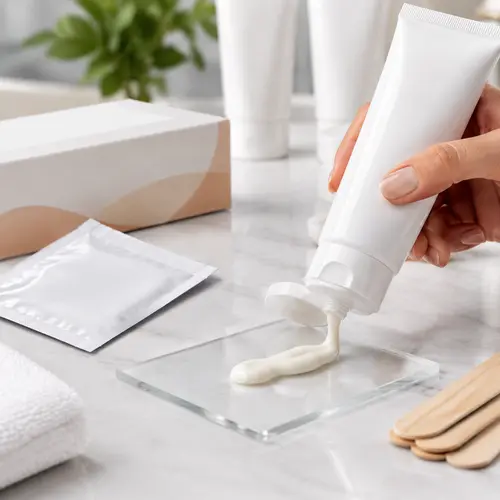
Formula behavior. For depilatory cream, review viscosity, spread, application thickness, scent, color, residue, and removal time under the intended use instructions. The sample should remain uniform after storage and should not separate, dry at the nozzle, or become difficult to dispense. Ask the supplier to document the formula version and any permitted raw-material substitutions. A sensitive-skin position requires a documented irritation-risk review and conservative usage language; it should not rely on a broad promise that the product suits everyone. The depilatory cream OEM team should also confirm whether the tube, cap, seal, and filling process are compatible with the formula over the planned shelf period.
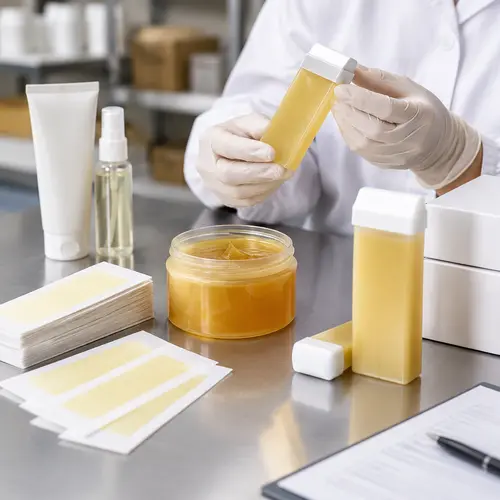
For wax, observe melting behavior, working temperature, stringiness, set time, adhesion, pull performance, and residue. Wax strips need consistent coating weight, fold control, release-liner performance, and adhesion after aging. Sugar wax may be more sensitive to humidity and heat, so define handling instructions and pack protection before scaling. Roll-on cartridges require a functional roller, secure cap, reliable seal, and a leakage review after transport simulation. A wax strips OEM discussion should cover strip dimensions, wax loading, cartridge or jar compatibility, carton protection, and the conditions under which the product is filled and shipped.
Package and storage. Choose a format that protects the formula and makes correct use obvious. Check tube shoulder sealing, cap torque, pouch seals, jar liners, cartridge closure, pump or nozzle output, and carton resistance to compression. Review samples after heat and cold exposure, then inspect odor, color, viscosity, separation, seal integrity, label adhesion, and leakage. For regional distribution, document whether the product must remain upright, avoid prolonged heat, or travel in a temperature-controlled shipment. The hair removal manufacturing process should show where filling, closure checks, label application, batch coding, and final inspection occur.
Claims and documents. Product labels should match the actual use area, directions, warnings, net contents, ingredients, responsible party information, batch identification, and destination-market requirements. Facial or near-eye use needs especially careful wording; consult the American Academy of Ophthalmology periorbital safety guidance when defining boundaries around the eye area. For EU sales, review the EU Cosmetics Regulation framework with the responsible compliance professional. For markets requiring religious certification, confirm the current criteria through the JAKIM Halal certification framework. For U.S. distribution, distinguish cosmetic labeling and manufacturing obligations from any medical or drug positioning, and review FDA cosmetics authority and labeling information before claims are approved.
Keep the evidence buyer-ready. The hair removal product quality control workflow should connect the approved sample to batch records, in-process checks, finished-pack inspection, and shipment release. When the product is intended for sensitive skin, review the sensitive skin hair removal products positioning for usage limits, irritation review, and customer support language. For a complete routine, evaluate post-depilation care OEM items as a separate formula and pack decision, not as an automatic bundle.
| Factor | What to Check | Why It Matters | ODM Buyer Note |
|---|---|---|---|
| Formula performance | Spread, viscosity, set time, adhesion, residue, scent, color, and removal feel | Determines user experience and repeat purchase | Approve a retained sample and record the formula version before pilot filling |
| Packaging compatibility | Tube, pouch, jar, cartridge, liner, seal, cap, roller, and nozzle performance | Prevents leakage, drying, contamination, and dispensing failure | Test the filled pack, not only empty components |
| Storage and shipment | Heat, cold, vibration, compression, upright storage, and transit leakage | Regional climate and freight can change product condition | Set shipment conditions and inspection points in the purchase documents |
| Skin-use review | Intended body area, directions, warnings, patch-test language, and irritation-risk review | Reduces misuse and supports responsible market positioning | Keep claims aligned with the formula evidence and label space |
| Launch readiness | Samples, MOQ, pilot scope, batch coding, labels, documents, and lead-time assumptions | Protects the content calendar and distributor commitments | Ask for a clear BOM, sample schedule, and scale-up path |
ODM Manufacturing Considerations
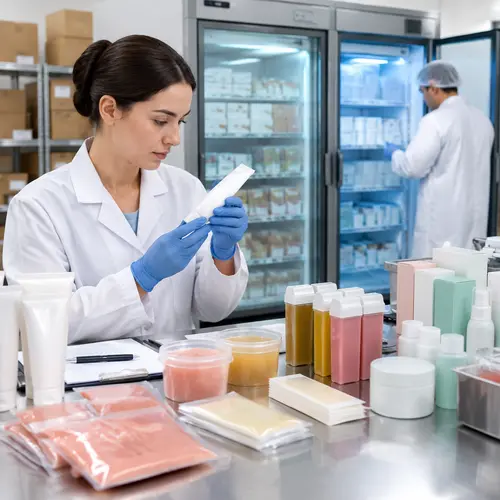
Ask the supplier to make the handoff from concept to production visible. A useful sample package includes the approved formula identifier, pack specification, filling quantity, artwork requirements, test scope, document list, and shipment assumptions. Confirm whether a pilot run can use the same production route planned for the larger order, and ask how deviations are approved. The request a hair removal product quote should include target region, product type, pack format, forecast, sample deadline, and the visual effect required for content.
Use the hair removal product guides to prepare a short supplier brief, then compare responses on evidence and clarity. A serious ODM conversation should cover sample revisions, packaging compatibility, stability checks, batch release documents, and what happens if the formula or component changes. For a first regional catalog, speed matters, but a fast sample that cannot be reproduced is not a launch advantage. The final decision should balance visual impact, formula consistency, pack resilience, documentation, and the distributor’s ability to reorder with confidence.
ODM Manufacturing Considerations
When sourcing hair removal products for distributors, buyers should treat the approved sample as the manufacturing reference, not simply as an early sales demonstration. The supplier should identify each sample by version, batch code, production date, and formula reference. Before approval, record the expected color, fragrance, texture, application behavior, removal performance, and acceptable variation. Keep sealed control samples with both parties so future production can be compared against the same standard.
Formula customization should begin with a clear product brief. Define the intended body area, target consumer, application method, removal time, fragrance direction, desired visual appearance, and regional climate. If a depilatory cream needs a bold color or dense texture for social media content, confirm that the visual effect remains consistent under normal lighting without compromising spreadability or rinse-off. Wax buyers should define the working temperature and flexibility expected during application and removal.
Packaging selection must follow formula approval rather than run as a separate design project. Creams can interact with tube layers, caps, liners, and printed decoration. Roll-on wax cartridges depend on the fit among the container, roller head, and closure. Sugar wax jars need enough headspace and closure strength for warm-market distribution. Ask the supplier to test the actual decorated pack, not only an undecorated stock container.
A stability review should cover the destination’s likely temperature range, warehouse duration, retail shelf conditions, and transport exposure. The written plan should define test intervals and acceptance limits for appearance, odor, texture, pack condition, net weight, and application performance. Any change in formula, fragrance, colorant, container material, or closure should trigger a documented assessment rather than being treated as an automatic substitute.
MOQ discussions should separate the minimum for formula production, packaging decoration, cartons, and finished-product assembly. This prevents a buyer from accepting a low finished-goods MOQ while unknowingly committing to excess printed components. Request a transparent bill of materials showing formula, primary pack, decoration, carton, testing, and freight assumptions. Buyers can review typical capabilities through the OEM and ODM service overview and compare category options on the hair removal product pages.
Before shipment, confirm ingredient lists, usage directions, warnings, batch coding format, shelf-life support, country-of-origin wording, and available test records. Shipment terms should identify carton configuration, pallet requirements, loading method, temperature precautions, insurance responsibility, and the documents supplied with each lot.

Common Problems or Failure Cases
Wax becomes brittle: A hard wax may crack during removal if its flexibility is unsuitable for the use temperature or if it experiences prolonged cool storage. Buyers should compare production material with the approved sample at realistic salon and home-use temperatures.
Wax strips lose adhesion: Storage heat, backing material, coating distribution, or pouch barrier performance can reduce grip. Evaluate aged samples from the final pouch and confirm whether the strip still removes hair after transport-like exposure.
Depilatory cream separates: Visible liquid, graininess, discoloration, or odor drift may indicate that the formula or package is unsuitable for the intended shelf conditions. Do not solve the issue only by shaking or changing filling settings; require a documented root-cause review.
Roll-on cartridges leak: Leakage can originate at the roller housing, neck, cap, or container seam. Test filled cartridges in multiple orientations and inside the final shipping carton. A clean room-temperature sample does not predict performance in a hot truck or air-freight pressure change.
Fragrance causes complaints: Strong fragrance may support content marketing but increase sensitivity concerns, especially for face products or aftercare. Compare fragranced and low-fragrance options, review allergen declarations where required, and ensure directions do not encourage use near the eyes or on irritated skin.
Packaging deforms: Jars, cartridges, or tubes can soften, panel, or distort when formula contact and elevated temperature occur together. Decoration can also smear or lift. Approval should cover the filled, printed commercial pack rather than an empty packaging sample.
Supplier Checklist
- Category experience: Request recent production examples for the exact removal format, not general cosmetics or haircare experience.
- Sample control: Verify sample codes, revision history, retained controls, approval signatures, and the process for transferring a sample into production.
- Technical specification: Require measurable limits for appearance, color, odor, viscosity or working temperature where relevant, fill weight, and removal performance.
- Risk review: Ask how the supplier assesses irritation risk, fragrance declarations, directions, warnings, and prohibited-use areas.
- Pack qualification: Confirm testing uses the intended tube, jar, pouch, cartridge, closure, label, and decoration.
- Production controls: Review incoming-material checks, batch records, in-process inspection, finished-lot release, traceability, and complaint investigation.
- MOQ transparency: Separate formula, component, printing, assembly, and reorder minimums. Identify leftover-packaging ownership in the contract.
- Document package: Confirm ingredient naming, specifications, test reports, safety data where applicable, artwork records, and shipment documents.
- Commercial clarity: Request an itemized BOM quotation, tooling charges, sample fees, estimated freight, payment milestones, and change-order costs.
- Capacity planning: Ask for standard and peak monthly output, raw-material lead times, reserved-capacity options, and escalation contacts.
The supplier should be able to explain these points in buyer language and connect formula decisions to market positioning, content schedules, and distributor needs. A useful overview of production stages is available on the manufacturing process page.

FAQ
How can I prevent an OEM factory from reusing my idea or formula?
Use a mutual confidentiality agreement, define ownership of custom work in the contract, restrict use of brand assets, and document which elements are exclusive. Ask whether the base formula is shared, modified, or fully custom. No agreement eliminates all risk, so also control artwork files, unique specifications, and access to final commercial information.
Can a sample deliver the dramatic texture and color needed on camera?
Yes, but approve it under the lighting and filming conditions used by your content team. Compare camera appearance with real application, removal, staining risk, and pack cleanliness. A visually strong sample should still meet the functional specification after scale-up.
Can a supplier guarantee that consumers will never experience irritation?
No responsible supplier can promise zero reactions. Reduce risk through ingredient review, appropriate warnings, controlled production, patch-test directions where suitable, traceable batches, and clear limits on use for the face, damaged skin, or sensitive areas. Establish a complaint and adverse-event escalation process before launch.
What if I do not understand technical ingredient language?
Ask for a single contact who can translate marketing goals into measurable sample criteria. A good brief can use plain language such as thick, glossy, low-drip, fast-spreading, or low-fragrance, but each term should then be tied to an approved reference and testable specification.
What happens if social media demand suddenly increases?
Request a written surge plan covering available filling lines, component inventory, labor shifts, raw-material lead times, and order prioritization. Consider holding undecorated packaging or safety stock, but define who owns it and how long it can be stored. Do not rely only on a verbal capacity promise.
Which labeling documents should a distributor request?
Request the ingredient list, usage instructions, warnings, batch and date coding method, product specification, country-of-origin information, and supporting records required by the destination market. The responsible market operator should review final artwork before printing.
References
- FDA authority over cosmetics explains that most cosmetics are not approved by the FDA before sale, while companies remain responsible for product safety and lawful labeling.
- European Commission cosmetics information outlines core EU market responsibilities for cosmetic products.
- JAKIM Halal information portal provides official reference material for buyers assessing Halal requirements in Malaysia.