Direct Answer
Private label wax strips are launch-ready only when the strip performance, skin-contact formula, packaging, and market documentation are developed as one system. A strong kit brief should define the target user, body area, hair type, strip format, scent or fragrance policy, aftercare concept, pack count, target cost, and launch date before sampling begins.
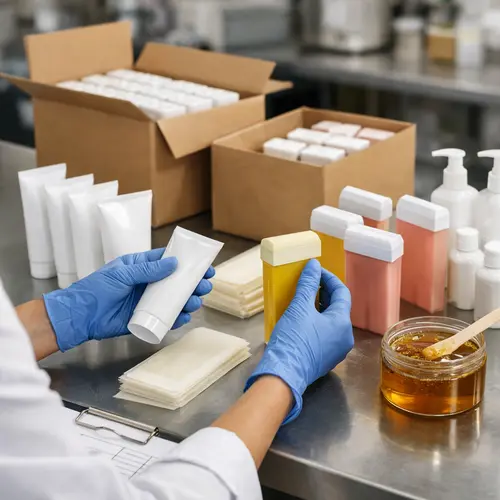
For most DTC brands, the practical route is to start with a validated wax strip base, then adjust adhesion, strip size, substrate, fragrance, and visual identity through controlled samples. The goal is not simply a strip that removes hair in a lab. It must open cleanly, grip consistently, leave limited residue, tolerate shipping temperatures, and look credible on camera. A capable ODM partner should provide sample records, ingredient documentation, packaging compatibility checks, storage guidance, and a clear path from pilot batch to scaled production. PZIK supports that process with modular hair removal formulations, pilot runs from 1,000 units, and parallel documentation for markets such as the United States, Europe, and the Middle East.
Key Takeaways for Private Label Buyers
- Source the complete kit, not only the wax. Strips, liners, sachets, spatulas, wipes, carton, and instructions must work together.
- Define performance in observable terms: pull strength, residue, skin feel, fragrance intensity, strip separation, and usable working time.
- Request samples from the same formula and packaging route intended for production. Re-engineering after approval creates avoidable cost and delay.
- Check heat, cold, leakage, seal integrity, and aging behavior before approving a shipment. Wax products can change during storage and transport.
- Confirm the label file, ingredient list, claims, warnings, responsible-party details, and market documents before artwork is finalized.
- Choose a production partner that can support a controlled pilot and a fast scale-up without changing the core formula or raw material route.
Buyer Context
Wax strips look simple to consumers, but they create several connected decisions for a private-label buyer. A facial strip needs a different balance of adhesion and flexibility from a leg or bikini strip. A ready-to-use strip may be positioned for travel, subscription boxes, salons, or at-home routines, and each channel changes the preferred pack size, instructions, and price architecture.
Creator-led brands also have a visibility problem: every product detail can appear in a close-up video. A strip that tears during separation, leaves visible wax on the skin, or produces inconsistent results can become a content problem before it becomes a quality report. Texture and application therefore need to be reviewed under real lighting and with realistic user handling. A clean peel, clear product identity, and compact kit format can support launch content without turning the product into a novelty item.
The same planning logic applies when wax strips are part of a wider hair removal range. A brand may pair them with sugar wax, a roll-on wax cartridge, depilatory cream, or a soothing aftercare gel. Buyers should decide whether these products share a scent family, ingredient positioning, or packaging system. A focused [private label hair removal products](/) range is easier to explain, test, and replenish than a broad assortment assembled from unrelated suppliers.
For a founder without an internal product team, the ODM brief should translate marketing language into manufacturing requirements. Terms such as gentle, mess-free, sensitive-skin, travel-ready, or camera-friendly need measurable review points. The partner should explain what can be adjusted, what must remain fixed for stability, and which claims require additional substantiation or market review.
Hair removal OEM ODM services are most useful when sampling, artwork, documentation, and production scheduling are managed as a connected workflow. This reduces the risk of approving a visually attractive sample that cannot be reproduced at scale.
Custom wax strips and hot wax development can also help buyers compare ready-to-use strips with hot wax jars or beads. The right format depends on user skill, heating needs, shipping conditions, and the content style of the brand.
Technical or Packaging Factors
Formula and strip performance
The wax should be reviewed for adhesion, flexibility, residue, and skin feel rather than judged by appearance alone. Buyers should test representative hair lengths and application areas, including whether the strip can be pressed smoothly without wrinkling. A formula that grips strongly may improve removal but increase discomfort or residue. A softer formula may feel gentler but require more pressure or a second pass. The correct balance depends on the intended area and user instructions.
For cream-based products, request a defined viscosity range, spread behavior, odor review, and contact-time guidance. For sugar wax, observe stringing, pickup, and temperature sensitivity. For roll-on wax, confirm cartridge flow, roller rotation, sealing, and compatibility between the wax and applicator. These are different formats, but the buyer decision is the same: approve measurable use behavior, not a single attractive sample.
Packaging and storage
Packaging has a direct effect on product performance. The wax should not bond excessively to the inner pouch, migrate into the seal, or become difficult to separate after heat exposure. Sachet film, adhesive layers, liner paper, carton coating, and printing inks should be reviewed for contact compatibility and odor transfer. The finished kit should also be checked for crushed cartons, loose components, and movement inside the shipping case.
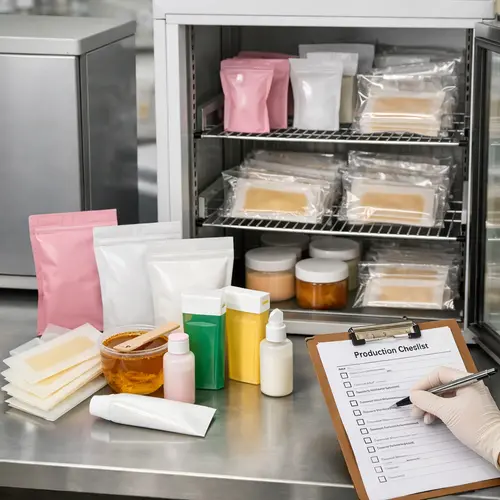
Ask the supplier to run heat and cold storage checks, package leakage or seal checks where relevant, and aging observations before shipment approval. Exact conditions should be agreed in the project specification because a truck, warehouse, or fulfillment center may expose the kit to substantially different temperatures. Shipment conditions, case configuration, and pallet protection belong in the production checklist, not in an afterthought email.
Safety and market readiness
Review the ingredient list, allergen or fragrance disclosures, usage warnings, patch-test language, restricted-ingredient screening, and claims before final artwork. The United States may require MoCRA-related business and product records, while European distribution may require CPNP notification and a market-ready product information file. Middle East launches may also require local conformity and labeling review. Buyers can consult the FDA small-business cosmetics guidance, SASO conformity assessment standards, and Ecocert organic and natural cosmetic certification when those requirements match the planned positioning. For UAE projects, review UAE MoIAT industrial standards with the responsible importer.
Do not print vegan, organic, natural, hypoallergenic, or sensitive-skin language simply because it appears in a concept deck. Each claim should be matched to the selected ingredients, supporting records, and target-market rules. Your [hair removal product quality control](/manufacturing-process/) plan should identify who reviews each document and when approval is required.
Decision Framework Table
| Factor | What to Check | Why It Matters | ODM Buyer Note |
|---|---|---|---|
| Hair removal performance | Adhesion, pull strength, residue, separation, and results across intended body areas | Determines user satisfaction and repeat purchase | Approve a written sample standard with photographs and test notes |
| Formula consistency | Texture, odor, color, viscosity where relevant, and batch-to-batch controls | Prevents a mass-production sample from feeling different | Use the production formula and raw material route for the pilot |
| Skin-use review | Ingredient screening, warning language, patch-test instructions, and claim support | Reduces avoidable complaints and label corrections | Have the target market and responsible party identified early |
| Packaging compatibility | Pouch seal, liner release, wax migration, odor transfer, carton fit, and component movement | Protects performance through storage and shipment | Test the filled pack, not only empty packaging samples |
| Storage and shipment | Heat and cold exposure, leakage risk, case packing, and fulfillment conditions | Wax can soften, harden, or shift during distribution | Set acceptance criteria before the purchase order |
| Launch readiness | MOQ, pilot scope, lead time, artwork, documents, and replenishment capacity | Connects content timing with reliable inventory | Request a transparent BOM and a scale-up schedule |
Begin with the [hair removal manufacturing process](/manufacturing-process/) and map every approval from brief to shipment. Include sample version control, packaging sign-off, label review, storage checks, and release criteria. If the kit needs a companion product, compare [post-depilation care OEM](/post-depilation-care-oem/) options early so the visual system and documentation remain coherent.
For founders evaluating suppliers, a useful next step is a structured RFQ covering target market, formula concept, pack format, forecast, sample deadline, and claims. A [request for a hair removal product quote](/contact-get-a-quote/) should produce more than a unit price: it should show what is included, what remains conditional, and how the supplier will protect continuity when demand accelerates.
ODM Manufacturing Considerations
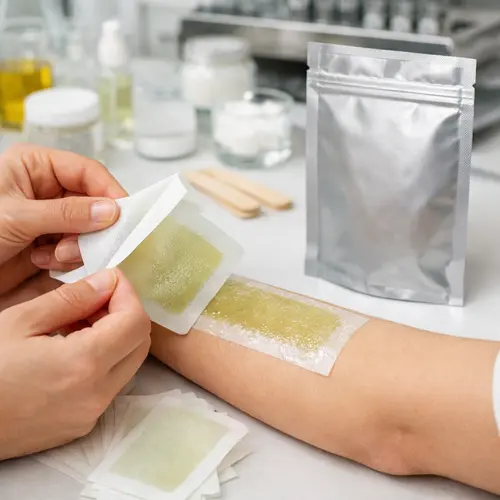
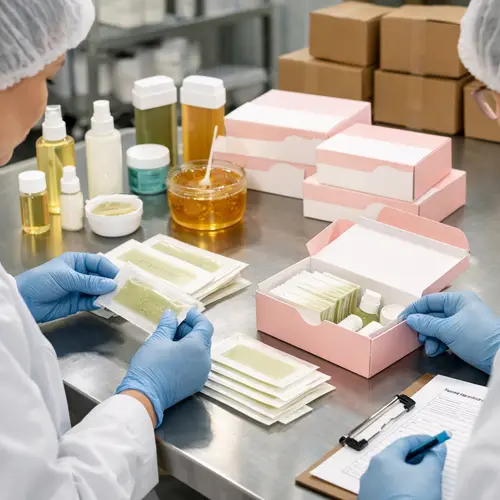
A reliable private label wax strips project starts with a documented sample-confirmation process. The first sample should be reviewed against a written brief covering strip dimensions, wax coverage, color, fragrance, tack, hair-grip performance, release behavior, and intended use on facial or body hair. Record the conditions used during testing, including skin preparation, hair length, pull direction, and time between application and removal. This makes later formula or packaging changes easier to assess.
Formula customization should be handled through controlled revisions rather than informal promises. Ask the supplier to identify which ingredients, wax base, oils, resins, fragrance components, and pigments are fixed and which can be adjusted. For ready-to-use strips, compare flexibility, brittleness, residue, and adhesion after storage at different temperatures. For depilatory cream, request a clear viscosity target, contact-time range, rinse behavior, and separation criteria. Sugar wax should be assessed for stringing, spreadability, and temperature response, while roll-on wax cartridges require a flow and applicator test at the temperatures expected in the destination market.
Packaging compatibility is part of product approval, not a final artwork task. Review the pouch film, liner, adhesive, carton, inserts, and any aftercare item together. The supplier should verify that the wax does not migrate into the pouch, that fragrance does not transfer into the carton, and that the liner releases cleanly without pulling wax away from the strip. For creams, inspect tube or jar closure performance, fill weight, nozzle cleanliness, and seal integrity. For cartridges, examine cap fit, roller movement, leakage after orientation changes, and deformation after shipment.
A stability review should cover appearance, odor, texture, adhesion, viscosity, color, seal condition, and package fit over the proposed storage period. Ask for acceptance limits rather than a general statement that the product is stable. The review should also consider temperature excursions during ocean, air, or truck transport. Shipment conditions may require insulated packing, pallet protection, upright orientation, maximum container exposure, or seasonal dispatch controls. These requirements should appear in the quotation and shipping instructions so they are not discovered after a damaged delivery.
MOQ should be discussed by component as well as by finished kit. A low finished-goods quantity may still require a larger purchase of custom pouches, printed cartons, liners, or fragrance components. Request a breakdown for samples, production, packaging materials, testing, tooling, artwork setup, and freight. A useful OEM/ODM partner will also explain what happens to unused printed materials if the formula or design changes.
Labeling documents should be prepared before final production. Request the full ingredient declaration using accepted cosmetic naming conventions, net contents, batch coding method, directions, warnings, responsible-party information, shelf-life or period-after-opening guidance where applicable, and country-specific language requirements. The FDA small-business cosmetics fact sheet is a useful reference for basic U.S. labeling and safety responsibilities. For natural or organic positioning, confirm whether the proposed ingredients and manufacturing records can support an Ecocert organic and natural cosmetic certification review. Do not print claims until the supplier and the brand have agreed on the evidence and market wording.
For a new brand, the most useful approval package includes retained samples, signed specifications, formula revision history, packaging drawings, inspection criteria, labeling files, shipment conditions, and a procedure for handling nonconforming goods. Internal links to the supplier’s OEM/ODM services, manufacturing process, and RFQ contact page can help buyers organize these requests before placing an order.
Common Problems or Failure Cases
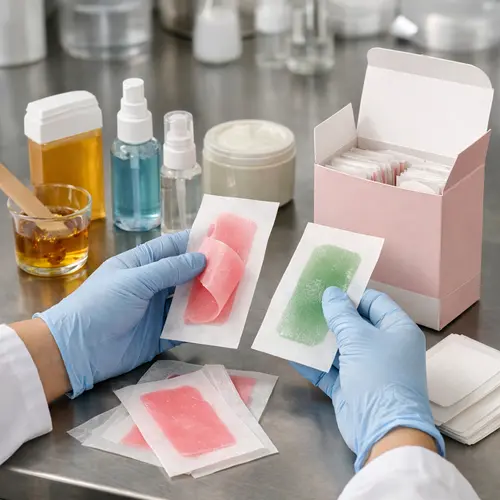
Wax brittleness often appears when a strip is too rigid for the intended temperature or when the wax layer does not flex with the backing. The result can be cracking during application, uneven hair removal, or small pieces left on the skin. Compare samples after conditioning them at normal room temperature and after controlled temperature exposure. A buyer should also check whether the backing, wax weight, and liner combination changes the result.
Strip adhesion loss may come from wax migration, surface contamination, insufficient tack, or a liner that does not protect the adhesive layer. Test strips from the beginning, middle, and end of a production lot. Review hair-grip performance on the intended hair type rather than judging tack by touch alone. Excessive residue is a separate failure mode and may create poor customer reviews even when hair removal appears acceptable.
Depilatory cream can separate, thin out, or develop an inconsistent odor when the formula and container are poorly matched. Inspect samples after storage in several orientations and compare the first and last portions dispensed from the package. Confirm that the stated contact time remains appropriate and that the cream spreads evenly without unexpected dripping. A fragrance may also become more noticeable after storage, so sensitivity and odor review should be part of approval.
Roll-on cartridge leakage commonly results from a loose cap, poor roller fit, damaged seal, or pressure changes during transport. Test cartridges upright, inverted, and on their side, then inspect the cap, neck, roller, and outer packaging. A cartridge that passes a bench test may still fail when packed tightly or exposed to temperature changes, so shipment simulation should use the actual carton configuration.
Packaging deformation can make a sound product look defective. Softened wax may press against the pouch seal, while a thin carton may buckle under stacked cases. Review case dimensions, pallet loading, protective separators, and maximum stacking conditions. Fragrance sensitivity and irritation complaints should be investigated through ingredient review, clear warnings, sample-user feedback, and batch traceability. No supplier can promise zero reactions; the practical objective is to identify foreseeable risks, control variation, and respond quickly when a complaint appears.
Supplier Checklist
- Can the supplier provide a written sample specification covering texture, color, odor, tack, residue, hair-grip performance, and intended body area?
- Does the formula revision process identify changed ingredients, processing conditions, package components, and approval status?
- Are wax, cream, sugar wax, and cartridge samples tested in the actual package rather than only in laboratory containers?
- Can the supplier define acceptance limits for brittleness, adhesion, viscosity, separation, leakage, seal integrity, and package deformation?
- Will the buyer receive ingredient declarations, warning text, batch-code information, product specifications, and relevant safety or quality documents before printing?
- Are MOQ, component quantities, sample charges, artwork charges, unused materials, inspection fees, and freight estimates itemized?
- Does the shipment plan address orientation, temperature exposure, pallet loading, carton strength, and seasonal transport conditions?
- Are ownership, confidentiality, formula use, tooling, artwork, exclusivity, and approval rights stated in the manufacturing agreement?
- Can the account team translate a marketing brief into measurable product requirements and explain technical limitations in plain English?
- Is there a capacity plan for a sudden order increase, including material reservations, production windows, quality release, and allocation rules during peak demand?
FAQ
How can I protect my wax-strip idea and custom formula from being sold to another brand?
Use a written confidentiality and ownership agreement before sharing final artwork, formula details, or campaign concepts. Define who owns custom development, whether the supplier may reuse a base formula, how samples and retained materials are controlled, and whether exclusivity applies by market, product, or time period. Ask for a formula revision record and restrict access to sensitive files. Legal protection is strongest when the contract matches the actual development and production process.
Can the finished wax or cream achieve a dramatic look on camera?
It can, but visual impact must be specified without compromising use performance. Confirm the target color, gloss, opacity, wax thickness, cream body, fragrance impression, and package appearance in the sample brief. Review samples under the lighting used for content production, then repeat the hair-removal and skin-comfort checks. A striking color or texture should not be accepted if it creates excessive residue, poor adhesion, separation, or an unsuitable contact time.
How do I know quality control will protect customers from a bad skin reaction?
No factory can guarantee that every individual will tolerate a depilatory product. Require ingredient review, clear usage instructions, warnings, batch identification, retained samples, documented release checks, and a complaint-response process. Ask how the supplier investigates an unusual odor, color change, adhesion issue, or irritation report. Your brand should also use conservative claims and provide patch-test guidance where appropriate for the product and market.
What if I do not understand chemical ingredients or manufacturing terms?
Ask the supplier to convert your marketing goals into measurable requirements such as color range, viscosity, application area, hair type, residue limit, odor profile, and package format. You do not need to select every ingredient yourself, but you do need an ingredient declaration and a plain-language explanation of important tradeoffs. A capable account team should be able to discuss personal-care requirements, social content needs, and market standards in the same meeting.
Can a factory keep up if a social-media launch creates a sudden order surge?
Request a written capacity scenario before launch. It should identify component lead times, available production windows, reserve-material options, inspection timing, and how orders are allocated when several customers need the same equipment. Ask whether a second approved package or formula route exists, but do not change critical components without a new sample approval. Capacity planning should protect consistency as well as speed.
What documents should I approve before production starts?
Approve the final formula or product specification, sample reference, packaging drawings, ingredient declaration, label copy, carton and pouch details, inspection criteria, batch coding, MOQ, price breakdown, shipment conditions, and nonconformance process. Keep a signed approval version for every change. This record gives the brand and supplier a common reference when the product moves from sampling to regular production.