Direct Answer
Private label wax strips can be a focused first hair-removal product for a DTC or Amazon brand, but the launch decision should start with the user experience, not the label design. Choose a target area and audience, define how the strips should feel and perform, then validate the wax coating, strip material, sachet, instructions, and shipping pack as one product. A sample that looks compelling on camera still needs to separate cleanly, stay usable after storage, and arrive without wax migration or damaged seals. Ask an ODM to show the proposed formula and packaging together, explain the minimum order and sample scope, and provide an itemized cost estimate. The wax strips OEM page is a useful starting point for discussing formats; broader hair removal OEM ODM services can cover sampling through production planning.
Key Takeaways for Private Label Buyers
- Choose a clear use case first: facial touch-ups, body areas, or a broader at-home waxing kit.
- Review the finished strip, not only a wax sample. Coating, substrate, sachet, and instructions affect performance together.
- Request a visual sample review and a written sampling schedule that fits your content calendar.
- Ask for an itemized estimate covering product, packaging, setup, testing, and shipment assumptions.
- Check irritation risks and proposed claims before committing to sensitive-skin or hypoallergenic positioning.
- Confirm how a pilot order can scale, and whether production materials and quality checks stay consistent.
Buyer Context
For a creator-led brand, wax strips are easy to demonstrate: opening the sachet, separating the strips, applying them, and showing the result all translate naturally to short video. That visibility is an advantage, but it also makes an inconsistent batch public. A strip that looks different from the approved sample, leaves excess residue, or arrives with a compromised seal can turn a launch asset into a customer-service problem.
Define the intended buyer and routine before selecting a format. Facial strips may call for smaller dimensions and more precise instructions; body strips may need a different size and kit count. Decide whether the offer is a standalone pack or part of a line with complementary products such as post-depilation care OEM or depilatory cream OEM. This keeps the project focused while leaving room to test adjacent formats later. Review hair removal product solutions against your audience and selling channel rather than choosing a format only because it is visually striking.
Channel requirements also shape the brief. DTC packaging must work in unboxing footage and parcel delivery; an Amazon listing needs accurate product details and any documents the platform requests. Check Amazon’s Hazmat classification rules for cosmetics for current seller guidance, and confirm how the finished SKU is classified rather than assuming every wax product receives the same review. For UK sales, review the UK SCPN cosmetic notification protocol and identify who is responsible for notification and supporting product records in that market.
Technical or Packaging Factors
Write a sample brief that translates brand language into checks a manufacturer can reproduce. If the creative direction is a clean, premium unboxing, specify the strip finish, pack format, artwork, and opening experience. If the content depends on showing an easy application, review how the strips separate, how evenly the wax is coated, and whether the strip remains manageable in the intended use. Ask the supplier to explain the proposed base formula and any changes to fragrance, color, or other actives. Each change should be documented so the approved sample remains a meaningful reference for production.
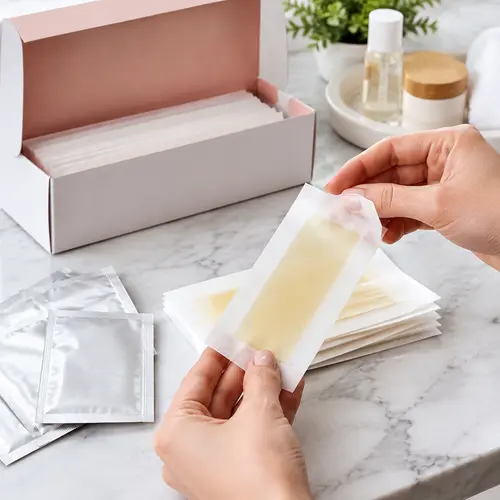
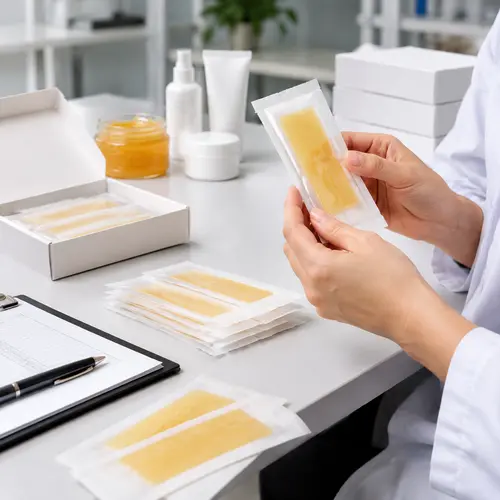
Inspect the strip and its primary packaging together. Look for even coating, secure edges, clean separation, and residue that matches the approved sample. Check that the sachet seals reliably and that the film does not show wax transfer, staining, or damage after handling. If the kit includes finishing wipes or an aftercare item, confirm that each component is compatible with the pack and clearly identified. Request packaging samples with final dimensions and artwork, not only a digital mock-up. A supplier should be able to explain which parts are standard and which are custom, so a design choice does not create unexpected tooling, lead time, or minimum-order costs.
Storage and transport need their own review. Ask for stability checks on sealed finished packs under ambient, warm, and cold storage conditions, then inspect adhesion, separation, wax migration, and seal integrity. Discuss the shipment route and seasonal exposure; a sample that performs well on a desk may behave differently after a long delivery. There is no single storage result that applies to every formula and pack, so request the supplier’s test scope and acceptance criteria in writing. Review batch records, ingredient information, labeling documents, and applicable quality standards for the markets you plan to enter.
Safety and claims need similar discipline. Ask for an irritation-risk review that considers the selected formula, fragrance, intended use, and instructions. Avoid claims such as sensitive skin, hypoallergenic, or reduced irritation unless the evidence and local requirements support them. For ingredient or tolerability claims, published material such as the International Journal of Cosmetic Science can inform research, but it does not substantiate a specific finished product by itself. If sensitive-skin positioning is central to the brand, discuss sensitive skin hair removal products and the supporting review before artwork is finalized.
Decision Framework
| Factor | What to Check | Why It Matters | ODM Buyer Note |
|---|---|---|---|
| Formula and coating | Even coverage, clean separation, residue, fragrance, and documented sample changes. | Small differences can affect use and make production look unlike the approved sample. | Keep a signed-off sample and written formula specification as the reference. |
| Use case | Target area, strip size, kit contents, and clear application instructions. | The product needs to fit the routine shown in brand content. | Ask for sample formats matched to the intended audience, not a generic kit. |
| Packaging | Sachet seals, film compatibility, opening, artwork, and component fit. | Packaging affects freshness, delivery condition, and the unboxing experience. | Separate standard components from custom options in the quote. |
| Stability and shipment | Warm and cold storage checks, wax migration, adhesion, seals, and route assumptions. | Storage and transit can change the product before the customer opens it. | Request the test scope, results, and shipment conditions in writing. |
| Claims and documents | Ingredient list, label copy, market-specific documents, and claim support. | Requirements vary by market and listing channel. | Confirm who supplies each document and who reviews final artwork. |
| Cost and scale | Minimum order, sample scope, itemized BOM, production capacity, and reorder terms. | Clear assumptions help protect launch timing and margin if demand changes. | Ask whether the pilot and larger orders use the same materials and checks. |
Before approval, use the hair removal manufacturing process to map sample approval, production checks, packaging, and shipment responsibilities. Compare the supplier’s written plan with your launch calendar, listing needs, and content schedule. A concise brief and clear sample acceptance criteria make an OEM project easier to manage and leave fewer decisions to resolve after artwork or production is underway. For an itemized discussion of samples, costs, and pack options, request a hair removal product quote.

ODM Manufacturing Considerations
Start an ODM project with a written brief that connects the consumer concept to a product specification. Include the hair-removal format, target market, intended user, preferred application experience, fragrance direction, claims under consideration, retail price range, and launch timing. For wax strips, describe the desired feel and visible appearance, not just a reference image. For depilatory cream, state how it should spread and rinse, and identify any actives or fragrance preferences that need review. A clear brief gives the supplier a workable basis for sample scope, timing, and cost.
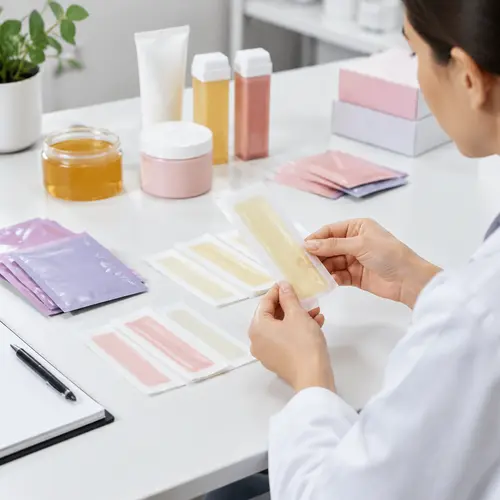
Use samples to settle decisions that customers can notice: wax flexibility and grip, how the strip handles during use, cream viscosity, scent strength, and color under ordinary lighting. Ask the supplier to document the sample version and the changes made between rounds. Set a practical acceptance range for appearance and performance, and clarify which changes require your approval. A seven-day sample may be possible when a suitable base formula and components are available, but custom ingredients, artwork, or testing can extend the schedule. Request dated milestones rather than relying on a general speed claim. Compare the supplier’s wax strip product options and OEM/ODM services with the actual scope of your project.
Packaging has to suit both the formula and the intended route to market. Confirm the pack format, material, product contact, closure, print requirements, and storage instructions before approving artwork. Establish how the finished pack should look and perform after normal handling, and agree what counts as unacceptable leakage, deformation, or product transfer. Ask for a stability plan that reflects the product and expected selling conditions; there is no single test schedule that proves every product will perform in every climate. Review the outcome against agreed appearance, odor, texture, and package condition criteria before committing to a larger run. The supplier should explain the manufacturing process and identify which checks apply to your product.
Clarify the minimum order quantity for the formula, printed components, and finished goods separately. A low finished-goods MOQ may not mean low artwork or component costs. Request an itemized BOM quotation with sample charges, tooling or setup costs if applicable, carton quantities, estimated lead times, and freight assumptions. Agree which labeling documents and product information the supplier can provide, then confirm market-specific obligations with your own responsible party or adviser. For Great Britain, consult the UK SCPN cosmetic notification protocol before launch. Confirm shipping temperature expectations, carton configuration, and any carrier restrictions for the exact formula and destination; retain the approved commercial documents with the shipment record.
Common Problems or Failure Cases
Wax that is too brittle may crack or crumble during handling, while wax that softens too much in warm conditions may feel messy or perform inconsistently. A strip that loses adhesion can make removal difficult and undermine the intended user experience. These symptoms may relate to the formula, the strip construction, or storage conditions, so ask the supplier to identify likely causes and document the corrective sample rather than approving a change based on appearance alone.
Depilatory cream can separate, change odor, or develop an uneven consistency if the formula and package are not suited to the product’s storage conditions. Roll-on wax cartridges may leak when closures, fill level, or transit orientation are not appropriate. Strong fragrance can also be a poor fit for customers who prefer low-scent products or who report sensitivity. Review the ingredient information, claims, directions, and cautions together; a visually appealing sample does not establish that every user will tolerate it.
Packaging deformation can lead to damaged presentation or compromised seals, especially when cartons are exposed to unsuitable heat, pressure, or rough handling. Define acceptable arrival condition and require the supplier to identify the shipping assumptions behind its quote. If a failure appears in a production lot, preserve samples and lot details, pause affected listings where appropriate, and agree on an investigation and replacement or corrective-action process before the next release.
Supplier Checklist
Before placing a production order, confirm these points in writing:
- Sample scope, revision schedule, and approval owner for each product in the line.
- Finished-product targets for appearance, texture, scent, use experience, and relevant viscosity or melting behavior.
- Formula customization limits, ingredient information, claims review, and ownership terms for project-specific work.
- Packaging format, product contact, labeling requirements, and acceptable condition on arrival.
- Stability plan, storage assumptions, and criteria for handling any change in texture, odor, or package condition.
- MOQ and lead time for samples, formula, printed components, and finished units, listed separately.
- Available batch, ingredient, and labeling documents needed for the markets where you intend to sell.
- Itemized BOM, freight assumptions, carton details, shipping conditions, and the named contact for issue resolution.
FAQ
How do I protect a custom wax strip idea or formula?
Agree on confidentiality, ownership of project-specific work, permitted use of your artwork and brief, and any exclusivity terms before sharing sensitive details. Ask the supplier to distinguish its existing base formulas from work developed for your project. Written terms reduce ambiguity, but no contract can replace choosing a supplier with clear access controls and a credible record of handling client projects.
Can the sample match the color and texture I want for video?
Usually, a supplier can work toward a defined look, but a reference image alone is not an acceptance standard. Review a physical sample under consistent lighting and record the approved color, surface appearance, texture, and any acceptable variation. Confirm the final visual on production-representative material, since scale, ingredients, and packaging can affect how the product appears on camera.
Can quality control guarantee that no customer will have a bad reaction?
No supplier can guarantee zero reactions for every user. Ask what ingredient and finished-product records are available, how batches are identified, and how complaints or adverse reports are escalated. Review directions, cautions, and claims for the target market, and ensure your brand has a documented response and product-hold process if a customer reports a problem.
What should I send to get a useful first sample?
Provide the format, target customer, market, preferred scent and appearance, use instructions, packaging idea, price target, and launch schedule. Include references that show the desired result and explain what must not change. Ask the supplier to confirm sample scope, available base options, expected timing, and any decisions needed from your team before work begins.
How should I compare MOQ and sample costs?
Compare costs by line item rather than looking only at the unit price. Ask whether the MOQ applies to the formula, printed packaging, or finished goods, and whether sample fees are credited against an order. Request a clear quote for each launch quantity, including stated assumptions for artwork, cartons, freight, and lead time.
Which documents and shipping rules should I check before selling?
Confirm market-specific label and product-notification needs with the responsible party for your brand. For Great Britain, review the UK SCPN guidance. For Amazon listings, verify the exact product against Amazon’s Hazmat classification rules for cosmetics; do not assume different depilatory formats share the same listing or shipping status.