Direct Answer
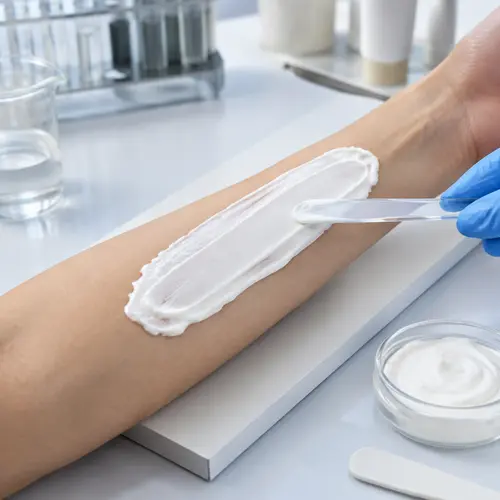
To make depilatory cream formulation claims about comfort, speed, and skin feel credible, do not start with adjectives. Start with a repeatable product experience: consistent hair removal at the labeled contact time, controlled odor and residue, a wipe-off texture that does not drag, and a skin finish that matches the target user. For a private-label brand, the winning formula is not simply the strongest active system. It is the formula that performs predictably across intended body areas, survives packaging, stays stable through shipping, and gives creators a clear story they can show on camera. Build each claim around a practical check such as viscosity, spread, wipe-off, post-use feel, leakage, and storage behavior. Comfort comes from controlled exposure and after-feel. Speed comes from reliable performance at the labeled contact time. Skin feel comes from the balance of the hair-removal system, emollients, humectants, fragrance, and rinse behavior.
For buyers, the fastest route is a structured sample review: define the target feel, confirm the formula and pack together, then validate the finished SKU before content production. A good supplier should be able to explain what is fixed, what can be custom, and which claims require additional support.
Key Takeaways for Private Label Buyers
- Define comfort as a specific user experience: easy spread, controlled contact time, low drag, manageable odor, and a clean rinse.
- Ask for a target viscosity window and compare retained samples against the first production batch, not just against a laboratory sample.
- Review the filled packaging, closure, liner, and seal together because a stable bulk cream can still leak, swell, or change odor in the final pack.
- Separate body and face positioning unless the supplier has reviewed the intended use, labeling, and irritation-risk profile independently.
- Use heat, cold, vibration, and leakage checks before approving photography, creator seeding, or marketplace shipment.
- Choose an ODM partner that can support a seven-day sample checkpoint and a 1,000-unit pilot without changing the formula between sampling and production.
Buyer Context
Hair-removal buyers are not purchasing an abstract formula. They are purchasing a product experience that has to survive a creator demo, a customer bathroom, a parcel network, and a public review cycle. A depilatory cream that looks smooth in a beaker but separates in a tube, clogs a closure, or leaves a heavy film can create more friction than the product promise is worth.
The same logic applies across adjacent formats. Wax strips need reliable adhesion without excessive residue. Sugar wax needs controlled flow and clean pickup. Roll-on wax needs cartridge compatibility and leakage control. Aftercare products need a soothing finish that feels appropriate after hair removal. The common requirement is consistency between the formula, packaging, labeling, and production method.
For creator-led brands, skin feel is also a content variable. A visible cream texture, clean wipe-off, or satisfying rinse can improve views and product understanding. That visual advantage only matters when the finished SKU performs the same way across batches. Buyers evaluating a hair removal OEM manufacturer should therefore ask for both formula detail and production evidence. A supplier offering hair removal OEM ODM services should be able to translate a marketing brief into measurable product targets rather than vague claims such as premium, gentle, or fast.
Positioning also needs discipline. If the brand targets sensitive users, review sensitive skin hair removal products and define which comfort signals are real: lower drag, reduced fragrance intensity, easier removal, or a less tight post-use feel. Do not promise zero irritation or universal suitability.
Technical or Packaging Factors
Formula performance
Start with the physical experience before discussing the claim. Record how the cream leaves the tube, how quickly it spreads, whether it stays in place, how it wipes away, and what remains after rinsing. Thickness alone is not a quality signal. A dense cream may look premium but can create uneven coverage or require more rubbing. A lighter cream may spread quickly but fail to stay on the target area.
Ask the supplier to compare the first sample with a retained reference using the same application method. The review should cover appearance, odor, spread, contact-time behavior, wipe-off, and post-use feel. For body products, keep the intended area clear. A body cream should not automatically be presented for the face. If the concept includes a face version, treat it as a separate development brief with separate labeling and user guidance.
Claims should also match the finished formula. The words gentle, fast, fresh, and smooth can support a useful product story, but only when the product experience and supporting documents align. For US positioning, review FDA cosmetics classification guidance and FDA guidance on cosmetic authority before finalizing front-panel language.
Packaging compatibility and storage
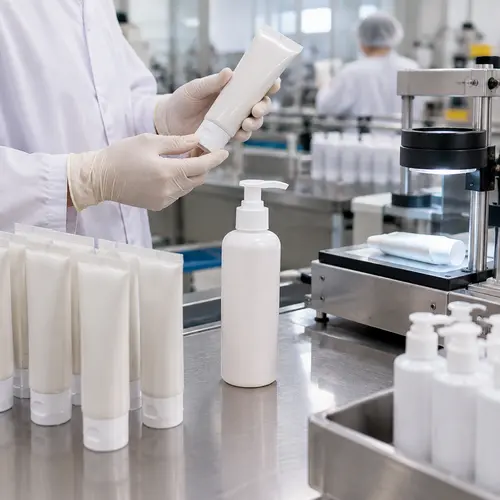
Depilatory systems can be sensitive to the interaction between the formula and the pack. Check tube material, shoulder construction, cap fit, liner, pump components, and label adhesive. If a spray or foam version is being considered, review actuator output, clogging, dose consistency, and seal performance rather than assuming the same cream can move into a spray format.
Run the filled pack through storage and shipment checks, not only bulk formula review. Inspect for separation, color or odor change, panel distortion, cap loosening, leakage, and unexpected weight loss. For wax-related products, the equivalent checks may include melting behavior, cartridge leakage, strip adhesion after storage, or jar seal integrity. Buyers building a wider hair removal product solutions range should define these checks by format instead of using one generic acceptance standard.
Shipment planning also matters. A finished cream may be suitable for ordinary parcel movement, while a particular fragrance system, propellant, or spray pack may trigger additional marketplace or carrier review. Amazon sellers should review Amazon’s Hazmat classification rules for cosmetics before locking the final pack. If a target market requires ingredient-status or religious documentation, review the MUI World Halal Council mutual-recognition guide as part of the launch file.
Sampling, production, and launch controls
A useful sample is not only a texture prototype. It should be a decision tool. Ask the supplier to confirm the formula version, packaging version, expected production method, labeling documents, and shipment conditions. A seven-day sample checkpoint can help a creator align product review with a content calendar, while an under-30-day development path is only meaningful if the formula does not need to be re-engineered after approval.
For early demand testing, a 1,000-unit pilot can reduce exposure while giving the brand enough product for content seeding, marketplace review, and first-order learning. The key question is whether the same approved formula, packaging components, and production controls will carry into scale. Review the depilatory cream OEM brief, then compare the supplier’s hair removal manufacturing process against the actual sample workflow.
For sensitive positioning, buyers can also review a private label sensitive skin depilatory concept and define whether the launch needs a matching post-depilation care OEM product. A later bundle may include a hair inhibitor serum OEM item, but the first launch should keep the main promise simple and easy to verify.
Decision Framework
| Factor | What to Check | Why It Matters | ODM Buyer Note |
|---|---|---|---|
| Formula performance | Spread, contact-time behavior, wipe-off, odor, residue, and post-use feel | Users judge comfort and speed together | Set a target range and compare retained sample with production output |
| Ingredient and claim fit | Ingredient list, body-area positioning, fragrance direction, and label language | Prevents claim mismatch and late launch edits | Keep face and body concepts separate unless reviewed independently |
| Packaging compatibility | Tube, closure, liner, pump or spray parts, seal, and leakage | A stable bulk formula can still fail in the final pack | Test filled packaging, not bulk only |
| Storage and shipment | Heat, cold, vibration, appearance, odor, leakage, and weight change | Protects product quality across inventory and delivery | Define acceptance limits before production release |
| Pilot and documents | Sample timing, 1,000-unit pilot, label files, batch records, and shipment documents | Reduces launch risk and supports faster decisions | Lock formula and packaging before the content shoot |
Before moving into pricing or production booking, use a written brief that states the target texture, intended area, claim language, packaging format, storage conditions, sample deadline, and pilot quantity. Buyers comparing a hair removal product RFQ should also ask which checks are included in the quoted scope and which require a separate review. That single distinction helps prevent the most common private-label failure: approving a compelling sample without approving the finished product system.
ODM Manufacturing Considerations
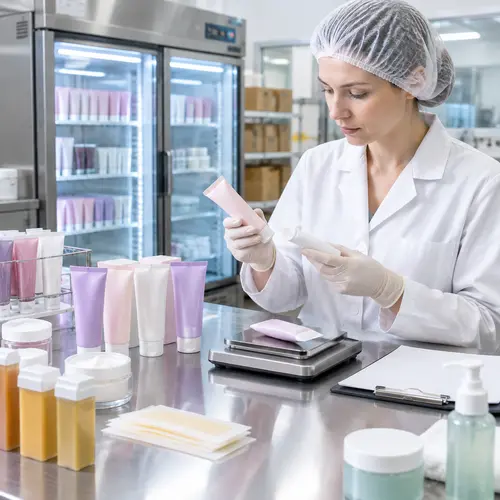
Sample approval should establish more than a preferred scent or color. For a depilatory cream formulation, the buyer and manufacturer should record the target texture, spread, contact feel, removal result, residual film, fragrance intensity, appearance, package size, and intended body area. A retained approved sample should be identified by batch code, with an agreed tolerance for color, viscosity, odor, and fill weight. This gives production and quality teams a practical reference when a later batch is reviewed.
Formula customization may involve changing the cream base, hair-removal active level, fragrance, color, humectant balance, or aftercare feel. Each change can affect speed, irritation risk, rinseability, odor, and package behavior. Buyers should request a written change summary rather than approving a sample based only on appearance. When a face product, sensitive-skin positioning, or a larger body format is planned, the intended use must be stated early so the formula is not evaluated against the wrong performance standard.
Texture should be checked at the intended storage temperature and after normal handling. The manufacturer can document a viscosity range using the same test method for each batch, while the buyer checks whether the cream can be dispensed, spread, and removed without excessive dripping or drag. For wax products, the review should also cover melting behavior, set time, brittleness, strip adhesion, and the effect of temperature changes during shipment. These controls are useful when comparing custom wax, sugar wax, roll-on cartridges, and depilatory creams across different markets.
Packaging compatibility needs to be reviewed with the actual formula and closure. A tube may soften, swell, crack, or allow odor loss; a pump may deliver an inconsistent dose as the cream thickens; and a spray component may clog if the product is not designed for that output. For cartridges, inspect the roller, seal, cap, and body after storage and transport simulation. Confirm that the fill weight, headspace, label material, adhesive, and carton structure suit the planned shipping conditions. The related OEM/ODM services brief should be used alongside a product-specific pack specification.
Stability review should cover appearance, odor, pH where relevant, viscosity, separation, active performance, microbial quality, and container condition at agreed heat, room, and cold conditions. The buyer should receive a summary of the methods, observations, acceptance limits, and any limitations. This is especially important for formulas marketed as fast, gentle, low-odor, or suitable for a specific body area. A result from one sample does not prove that every future production batch will behave identically.
Before the purchase order, clarify MOQ by formula, color, fragrance, package, and printed component. Ask whether a mixed first order is possible and which costs apply to sample development, tooling, artwork preparation, testing, filling, and cartons. Labeling documents should include the ingredient declaration, net contents, batch or lot identification, shelf-life or period-after-opening information where applicable, directions, warnings, manufacturer details, and market-specific supporting files. Amazon sellers should also check whether the product or shipping configuration may fall under Amazon’s Hazmat classification rules for cosmetics.
Shipment conditions should be agreed in writing. Record the acceptable temperature range, pallet or carton configuration, protection from freezing or excessive heat, moisture controls, carton weight, and the inspection process on arrival. A transparent BOM and freight estimate are valuable buying triggers because they let a private-label brand compare the real landed cost instead of relying on a low unit quotation that excludes testing or packaging adjustments.

Common Problems or Failure Cases
Wax brittleness often appears when the formula is too hard for the intended application temperature, when the wax has lost flexibility during storage, or when the strip and wax are mismatched. The practical check is to test spreading, setting, removal, and residue at several temperatures, then compare the result with the approved sample. Strip adhesion can also decline because of an unsuitable nonwoven material, excess oil, humidity exposure, or an adhesive layer that changes during storage.
Depilatory cream separation may show as oil at the surface, watery discharge, graininess, or an uneven color. It can result from an incomplete formula balance, poor processing control, incompatible fragrance, or temperature abuse. Review the affected batch against the approved appearance and examine whether separation returns after gentle mixing. Do not treat a visually acceptable sample as proof of long-term stability.
Cartridge leakage is commonly linked to a weak seal, an imperfect roller fit, excess fill, cap deformation, or pressure changes during shipment. Inspect both the cartridge and outer carton after transport simulation, including the cap, seam, label, and nearby units. Packaging deformation can also occur when tubes, caps, or cartons are exposed to high heat, compression, or incompatible product vapors.
Fragrance sensitivity and strong sulfur odor can undermine repeat purchase even when hair removal is effective. Compare fragrance intensity before use, during contact, and after removal. The buyer should confirm whether the formula is fragranced, low-fragrance, or fragrance-free in the intended market and ensure that the label language matches the actual formula. Claims such as gentle, fast, or suitable for sensitive skin require careful wording and clear use instructions rather than promotional overstatement.
Supplier Checklist
- Can the supplier provide an approved sample record covering texture, color, odor, viscosity, removal performance, and residual skin feel?
- Are formula changes documented with the reason for the change and the expected effect on performance?
- Can the supplier explain irritation-risk review, use-area restrictions, patch-test directions, and warning language?
- Are tube, pump, spray, cartridge, cap, label, and carton materials tested with the actual formula?
- Does the stability package include heat, room, and cold observations, separation checks, package condition, and clear acceptance limits?
- Are MOQ, sample scope, development charges, printed-component costs, BOM items, and freight assumptions written clearly?
- Can the supplier provide ingredient, labeling, batch, shelf-life, and market documentation before production approval?
- Are shipment temperature, carton protection, leakage inspection, and arrival claims procedures defined?
- Who owns the custom formula, artwork, fragrance brief, and approved sample, and how is confidential information restricted?
- Can production reserve capacity for a successful launch while still explaining realistic limits and lead-time assumptions?
FAQ
Could a Chinese OEM take our custom idea or formula and sell it to another brand?
Discuss ownership, confidentiality, exclusivity, sample use, and permitted formula reuse before development starts. Put the formula brief, artwork, molds, fragrance direction, and approved specifications into written agreements. Ask how access is restricted internally and whether the supplier will disclose existing stock or similar formulas. No contract replaces practical supplier diligence, so review references and request clear records of what is custom versus catalog-based.
Can the cream look distinctive enough for social media content?
It can, but appearance must be treated as a measurable specification. Define the target color, opacity, gloss, foam or whipped effect if relevant, dispensing behavior, and how the product should appear under normal filming light. Review a filled package, not only a laboratory cup, because the tube or pump can change the visual experience. The dramatic look should not compromise spread, removal, stability, or accurate labeling.
How can we reduce the risk of a product causing serious customer complaints?
Use a controlled approval process that includes ingredient review, intended-area restrictions, warning language, patch-test directions, stability observations, packaging checks, and production-batch release criteria. Request retained samples and a documented complaint process. No supplier can promise zero adverse reactions, so the brand must avoid unsupported claims and provide clear directions for contact time, removal, rinsing, and when to stop use.
Will the factory understand a social-media marketing brief?
Choose a contact who can translate audience language such as fast, low odor, camera-ready texture, or easy cleanup into testable specifications. A useful kickoff brief should include the target customer, body area, content concept, price position, package format, launch date, and unacceptable outcomes. Require written confirmation of the brief after each sample review so marketing preferences do not become vague production instructions.
Can the supplier handle a sudden increase in demand after a video performs well?
Ask about filling capacity, active production lines, critical raw-material availability, packaging reservation, overtime limits, and allocation rules during peak demand. Request a realistic volume scenario with quantities and dates rather than a general promise of flexibility. A phased forecast and pre-approved alternate packaging may help, but any change must be reviewed for formula, appearance, and labeling impact.
What should we do if the first sample is attractive but does not remove hair consistently?
Do not approve it on appearance alone. Record hair type, body area, application amount, contact time, removal method, residue, and skin feel, then compare the result with the intended claim. Ask the supplier to explain whether the issue comes from formula strength, thickness, application instructions, or user variability. Revise the brief and repeat the agreed evaluation before ordering production.

References
For market-specific product positioning and labeling decisions, review the FDA guidance on whether all personal care products are regulated as cosmetics and the FDA explanation of how cosmetic products are regulated and marketed. These sources support the need to distinguish cosmetic claims, directions, warnings, and product responsibilities before final artwork approval.