Direct Answer
A successful DTC hair removal brand launch begins with a brief that makes commercial intent testable. Before requesting samples, define the product format, target user, treatment area, desired removal time, sensory profile, claims boundary, launch market, packaging format, and landed-cost ceiling. The ODM should then convert those decisions into a controlled development plan covering formulation, packaging compatibility, stability, irritation-risk review, labeling files, and shipment conditions.
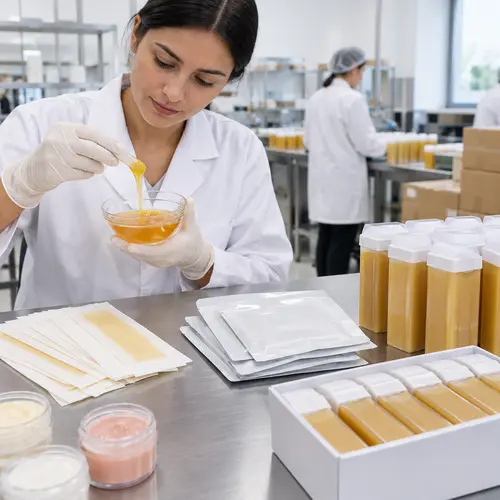
For a first run, the objective is not maximum novelty. It is a differentiated product that can be reproduced without changing the approved sample. PZIK uses modular formulation libraries, parallel compliance work, and ISO 22716 micro-batch lines to support pilots from 1,000 units and formulation-to-shelf cycles under 30 days when the brief, components, and regulatory inputs are ready. Buyers can review the broader hair removal manufacturing process before setting milestones.

Key Takeaways for Private Label Buyers
- Choose the format before refining claims. Depilatory cream, wax strips, sugar wax, roll-on wax, and aftercare each require different performance tests, packaging, and consumer instructions.
- Approve measurable sample criteria. Record appearance, odor, viscosity or melting behavior, application weight, removal time, residue, rinse-off, and post-use skin feel.
- Test the formula and package as one system. A stable formulation can still fail through cartridge leakage, tube distortion, seal weakness, label lifting, or wax migration.
- Run compliance work alongside sampling. Ingredient screening, claim review, label copy, safety documentation, and market notification should not wait for final artwork.
- Protect scale-up fidelity. Confirm that the approved sample, pilot run, and later replenishment use the same specification, critical raw materials, process controls, and release tests.
Buyer Context
Hair removal is unusually unforgiving of an incomplete product brief. Performance is visible within minutes, while irritation, poor removal, residue, odor, or leakage can generate equally fast social feedback. A creator-led brand may need a cream with clean rinse-off and camera-friendly texture. A subscription program may prioritize compact wax strips and dependable heat-storage performance. A salon-oriented range may need roll-on cartridges with consistent flow and controlled wax temperature.
The first decision is therefore a use case, not an ingredient story. Specify whether the product is intended for legs, body, underarms, bikini-line use, or face use only where the formula and local rules support it. Define the consumer skill level and the complete routine, including preparation and aftercare. Buyers comparing hair removal product solutions should also decide whether the launch is a single hero SKU or a kit. A cream paired with a soothing gel creates more packaging and compatibility work, but it can improve routine clarity and perceived value.
Speed matters because social demand can decay before a conventional development sequence finishes. A responsive partner may return an initial project plan within 24 hours and samples in 3-5 days for an existing validated base, subject to ingredient, fragrance, component, and testing requirements. That speed is useful only when the sample scope is explicit. The hair removal OEM ODM services model should distinguish baseline adjustments from genuinely new formulation work.
Technical and Packaging Factors
Formula Performance and Safety
For custom depilatory cream formulation, review active-system concentration, pH specification, viscosity, spreading, dwell time, odor control, removal completeness, and rinse behavior. Do not approve a sample solely because it removes hair effectively once. Request repeated bench observations across the intended use window and an irritation-risk review tied to the proposed directions and warning language. Ingredient acceptability for Europe can be checked against the European Commission’s CosIng ingredient database.
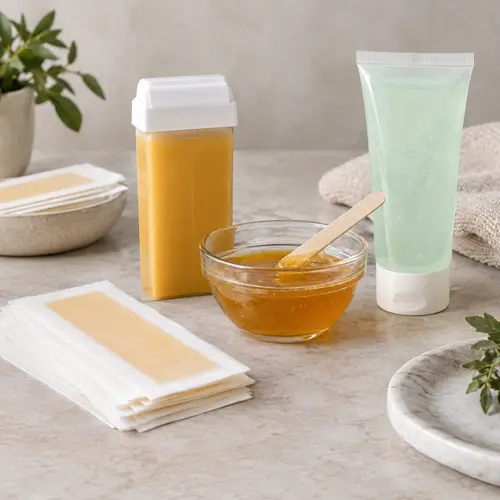
Wax and sugar wax require a different control set. Confirm softening or melting behavior, pickup, stringing, residue, brittleness, and performance at realistic room temperatures. Wax strips need aging checks for adhesion, backing separation, and clean release. Roll-on cartridges need flow testing, cap retention, and leakage review after upright, inverted, and side storage. Compare relevant formats through the custom wax strips and hot wax resource.
Aftercare and Claims Boundaries
Aftercare should be developed around comfort and compatibility rather than aggressive promises. Evaluate spread, absorption, tack, fragrance load, and use immediately after removal. For formulas containing salicylic acid, buyers can consult the CIR final report on salicylic acid in cosmetics while relying on a qualified safety assessor for the finished product and intended market. Related options include soothing gel after hair removal and an after hair removal serum. Regrowth claims require particular care because cosmetic positioning must not drift into unsupported physiological claims.
Compatibility, Stability, and Documentation
Ask for a written stability protocol covering ambient, elevated heat, cold, and cycling conditions appropriate to the formula and package. A common screening plan may include 4°C, 25°C, and 40°C storage over 8-12 weeks, but the responsible assessor should set the actual protocol and interpret what it predicts. Observe color, odor, separation, viscosity, weight loss, seal integrity, paneling, corrosion, leakage, and label adhesion. Shipment simulation should reflect whether goods may encounter hot containers, freezing routes, or prolonged warehouse storage.
Clean Beauty, Vegan, and cruelty-free language must be supported supplier by supplier. Certification is not interchangeable with a general declaration; review the requirements of the Leaping Bunny cruelty-free certification standard before placing its name or mark on packaging. For sensitive positioning, use the development questions in mild hair removal formula guidance rather than treating natural ingredients as automatic evidence of low irritation.
Decision Framework
| Factor | What to Check | Why It Matters | ODM Buyer Note |
|---|---|---|---|
| Product format | Treatment area, user skill, application method, and routine | Determines formula architecture, directions, and testing | Freeze the format before requesting component quotations |
| Performance specification | Texture, application weight, dwell time, removal, residue, and skin feel | Turns subjective approval into reproducible QC | Sign an approved sample and matching specification |
| Safety review | Ingredient restrictions, exposure, warnings, and irritation risk | Reduces consumer harm and regulatory exposure | Request market-specific review, not a universal compliance claim |
| Package compatibility | Seal, tube or cartridge interaction, leakage, label adhesion, and dispensing | Formula stability does not guarantee pack stability | Test decorated commercial components whenever possible |
| Storage and shipment | Heat, cold, cycling, orientation, vibration, and case packing | Transit conditions can alter wax flow or cream integrity | Agree acceptance criteria before the commercial run |
| Launch readiness | MOQ, sample scope, artwork, INCI, safety files, and release documents | Missing inputs create avoidable schedule gaps | Use a shared critical-path tracker with named owners |

Before authorizing the first run, compare the batch record, packaging bill of materials, approved artwork, test status, and release plan against the signed brief. The depilatory product development articles provide additional buyer context, while the hair removal OEM manufacturer overview explains available formats. Once specifications are controlled, submit a focused hair removal product RFQ containing target quantity, market, formula direction, packaging preference, testing needs, and required launch date.
ODM Manufacturing Considerations
Moving from an approved concept to a controlled first run requires more than selecting a formula and artwork. For a DTC hair removal brand launch, the buyer and supplier should establish a written approval path covering samples, specifications, components, documents, and delivery conditions. Each approval should identify the exact version, date, and responsible party so that an outdated cream sample, wax blend, fragrance, or package component cannot enter production accidentally.
Sample confirmation should begin with a defined scope. Record the product format, intended application area such as face or body, target texture, fragrance level, fill weight, package type, and expected use directions. For wax or sugar wax, document the acceptable working temperature and melting or softening range. For depilatory cream, define a measurable viscosity range and application behavior. Sample approval should include the filled package, not only formula in a laboratory container, because pumps, tubes, lids, strip pouches, and roll-on cartridges can change the user experience.
Formula customization needs a controlled brief. Buyers can modify fragrance, color, selected natural ingredients, texture, or aftercare positioning, but every change can affect performance, irritation risk, stability, lead time, and cost. A turnkey base does not have to produce a generic market offer when the differentiation also includes a distinctive application protocol, imported botanical oil with documented origin, package format, strip dimensions, kit configuration, or fragrance strategy. Ask which characteristics are proprietary to the project and which remain part of the supplier’s core formula platform.
Packaging approval should confirm component resin or material, dimensions, closure fit, liner or seal, dispensing rate, fill tolerance, and decoration method. Filled units should be observed under elevated and low-temperature storage for changes such as paneling, swelling, seepage, label lifting, seal weakness, or formula discoloration. Transit assessment should use the final secondary packaging, carton count, dividers, and pallet pattern. The purchase agreement should state acceptable leakage and cosmetic-defect limits, along with the inspection method.
MOQ discussions should separate formula quantity from component commitments. A low finished-unit requirement may still involve higher minimums for printed pouches, custom-colored cartridges, cartons, or labels. Request a cost model showing formulation work, testing, components, filling, assembly, inspection, and freight assumptions. This makes it possible to compare landed unit cost with expected customer acquisition cost and contribution margin instead of judging the project by unit price alone.
Before production approval, collect the ingredient declaration, product specification, batch coding format, safety support, test summaries, and the documents needed for the target market. For European launches, ingredient naming and restrictions can be checked against the European Commission’s CosIng ingredient database. Label review should cover responsible-party details, net contents, directions, warnings, lot identification, shelf-life notation, and country-specific language requirements. The buyer remains responsible for confirming the final claims and market pathway with qualified regulatory counsel.
Shipment terms should define release inspection, carton markings, freight mode, temperature exposure assumptions, loading method, and responsibility for damaged or leaking goods. Review the related manufacturing process and OEM/ODM development pathway before signing the production specification.

Common Problems or Failure Cases
Wax becomes brittle after storage. A sample may spread correctly when fresh but crack or fragment after warehouse exposure. Confirm the working-temperature window, storage limits, and retained-sample observations before release. A wax that requires unusually precise heating may also create excessive consumer-use variability.
Wax strips lose adhesion. Common causes include adhesive migration, unsuitable pouch material, contamination during conversion, or storage exposure. Inspect peel behavior at the beginning and end of the intended shelf period, and compare strips from multiple positions within the same batch. The pouch seal and storage instructions should be treated as functional controls.
Depilatory cream separates or dispenses unevenly. Separation, liquid weeping, graininess, or a large viscosity shift can indicate that the customized fragrance, color, ingredient adjustment, or tube system has altered the formulation. Establish visual, odor, viscosity, and dispensing acceptance criteria, then assess filled units rather than relying on an unfilled formula sample.
Roll-on cartridges leak. Leakage can arise from ball tolerances, closure fit, trapped product around the neck, fill temperature, or package deformation. Inspect upright, inverted, and side-stored units from representative batches, including units exposed to expected distribution temperatures. Carton staining should trigger root-cause review rather than simple cleaning and repacking.
Fragrance creates sensitivity complaints. A pleasant laboratory sample can become overpowering when applied across a larger body area or combined with depilatory odor. Review fragrance concentration, allergen labeling obligations, intended application area, and consumer patch-test directions. Complaint handling should distinguish fragrance dislike from irritation and record the affected lot.
Packaging deforms in transit. Thin bottles, tubes, cartridges, or trays can distort under stacking pressure or temperature exposure. Test the final packed configuration and confirm carton strength, dividers, headspace, and pallet loading before commercial shipment.
Supplier Checklist
- Confirm the supplier has documented experience with the exact removal format: depilatory cream, wax, sugar wax, strips, roll-on cartridges, or aftercare.
- Request a sample plan listing formula versions, filled-package samples, customization boundaries, fees, and approval criteria.
- Define measurable specifications for texture, color, odor, fill weight, viscosity or melting range, dispensing, and finished appearance.
- Review ingredient restrictions, irritation-risk assessment, warnings, directions, and claims for each destination market.
- Ask for component specifications and evidence that the selected formula remains acceptable in the proposed package under expected storage conditions.
- Document leakage, seal, deformation, label adhesion, print, and cosmetic-defect inspection methods.
- Separate finished-product MOQ from minimum commitments for printed or custom components.
- Verify the quality system, audit scope, certificate issuer, certificate validity, batch records, traceability, and change-control procedure.
- List required labeling and release documents before artwork approval, including ingredient declarations and lot coding.
- Agree on freight conditions, export cartons, pallet configuration, inspection timing, release authority, and nonconformance handling.
- Review confidentiality, formula ownership, artwork ownership, and restrictions on sharing project information.
FAQ
Can an Asian supplier meet Western clean beauty and cruelty-free expectations?
Location alone does not establish compliance. Define the prohibited-ingredient policy, market-specific rules, animal-testing position, supplier declarations, and audit evidence in the contract. If certification is part of the brand promise, compare the evidence with the Leaping Bunny cruelty-free certification standard and verify scope and current status directly.
Will a low MOQ make the unit cost incompatible with our CAC?
It can, especially when custom-printed components dominate the cost. Evaluate landed cost, pick-and-pack costs, expected returns, selling price, and contribution margin alongside CAC. Ask for cost comparisons using standard packaging, digitally printed labels, and custom components so the economic tradeoff is visible.
Will a turnkey formula make our product indistinguishable from competing brands?
Not necessarily. Meaningful differentiation can come from validated formula adjustments, sensorial targets, sourced ingredients, fragrance, applicator choice, kit composition, strip size, instructions, and positioning. Require written disclosure of what is exclusive, what is customized, and what other customers may also purchase.
Can we require a strict NDA before sharing our launch plan?
Yes. The NDA should define confidential information, permitted recipients, subcontractor access, duration, exclusions, remedies, and return or destruction of files. It should also clarify that confidentiality does not automatically transfer ownership of a supplier’s pre-existing formulas or technical know-how.
How can we substantiate environmental packaging claims?
Request material specifications, chain-of-custody records where relevant, recycled-content evidence, certification numbers, and the legal entity covered by each certificate. Claims such as recyclable or reduced plastic should match the actual component, local collection infrastructure, and supporting documentation. Avoid broad environmental claims that cannot be verified.
What should trigger rejection of a pre-production sample?
Reject or revise samples showing unstable texture, unacceptable odor, out-of-range viscosity or melting behavior, irritation concerns, inconsistent removal, weak strip adhesion, cartridge seepage, closure failure, package distortion, illegible coding, or incomplete labeling documents. Record the reason and require a newly identified approval sample.