Direct Answer
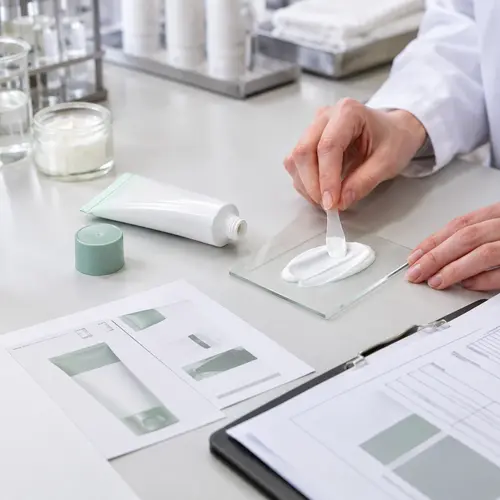
A strong label brief for hair removal products is a one-page operating document that connects the product promise, formula limits, package format, market, and required label copy before sampling begins. It should tell an ODM partner whether the SKU is a depilatory cream, wax strip, sugar wax, roll-on cartridge, or aftercare product; who will use it; where it will be sold; and what the package must communicate at a glance.
For private-label buyers, hair removal product labeling is not a final graphic-design task. It is a launch control. The brief should define claims, ingredient presentation, directions, warnings, lot coding, net contents, packaging compatibility, and shipment conditions early enough for the supplier to test the real product in the real container. This reduces late artwork changes, leakage surprises, and claims that cannot be supported by the finished formula.
The most useful brief is short, specific, and visual. Pair a front-panel reference with a practical back-panel checklist, then ask the ODM team to confirm what can be sampled, tested, documented, and produced at the intended volume.
Key Takeaways for Private Label Buyers
- Define the product format and use area before discussing logo placement or decorative packaging.
- Separate consumer-facing claims from internal marketing language; every claim should match the formula, directions, and available documentation.
- Review cream viscosity, wax melting behavior, strip adhesion, and aftercare sensorial feel using production-intent samples.
- Test the primary container, closure, label stock, and carton together for leakage, heat exposure, cold storage, abrasion, and shipment handling.
- Confirm the sample scope, pilot quantity, artwork process, ingredient documents, batch records, and expected launch timeline in writing.
Buyer Context
Hair removal products are unusually dependent on the relationship between formula, technique, and packaging. A depilatory cream must spread evenly, remain stable in its tube, and give clear timing instructions. A wax strip must maintain consistent wax coverage and adhesion after storage and transport. Sugar wax needs a usable application texture across expected room conditions. Roll-on wax must dispense cleanly without contaminating the cartridge or leaking into the cap. Aftercare must feel comfortable immediately after removal and fit the brand promise without making unsupported treatment claims.
This is why an early label brief matters to a creator-led brand. A short video may show a dramatic cream spread, a clean strip pull, or a satisfying roll-on application, but the package still needs to communicate exact use steps and practical limitations. Consumers need to know the intended body area, patch-test instruction, removal timing, cleanup method, storage guidance, and situations in which the product should not be used.
The brief also gives the manufacturer enough context to recommend a suitable container. A soft tube may work well for cream sampling, while a jar, cartridge, sachet, or laminated strip pack may be more appropriate for wax. The right format depends on viscosity, heat sensitivity, dispensing behavior, label surface, shipping route, and the expected unboxing experience. Buyers evaluating a private label hair removal products partner should ask to review both the product sample and the proposed packaging system.
Technical or Packaging Factors
Start with the formula brief
Record the product type, target user, application area, scent direction, color, texture, removal method, and expected time on skin. For cream, describe whether the desired experience is dense and controlled, smooth and fast-spreading, or visibly whipped. Ask the ODM team to measure the agreed viscosity range and confirm whether it changes after heat and cold storage. For wax, specify the desired working texture, melting behavior, stringing level, and pickup performance. A sample should be reviewed at the intended application temperature, not only at the factory bench.
For sensitive-skin positioning, keep the brief precise. Request an irritation-risk review of the intended ingredients, fragrance level, use directions, and warning language. Do not treat a mild sensory profile as proof that every user will tolerate the product. The sensitive skin hair removal products page can help buyers compare positioning questions before selecting a formula.
Build the label around the use experience
The front panel should identify the product and its primary purpose without making the consumer search for context. The back panel should support correct use: preparation, application, dwell time where relevant, removal, rinsing or cleanup, post-use care, storage, and patch testing. Warnings should be written for the actual product and body area. Avoid copying generic text from another SKU, particularly when switching between cream, wax, strips, and aftercare.
Ingredient naming, net contents, responsible-party information, batch identification, and market-specific requirements should be confirmed with the destination-market reviewer. The FDA Cosmetics Labeling Guide and FDA summary of cosmetic labeling requirements are useful starting points for US-facing artwork. For Canada, review Health Canada’s cosmetic ingredient hotlist before finalizing ingredient presentation and claims.
Test the complete package
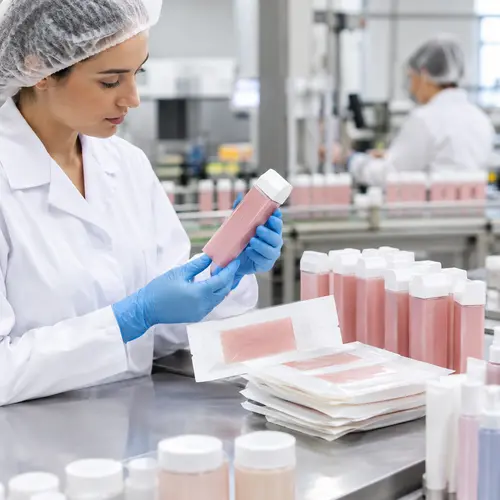
Packaging compatibility is more than checking whether a label sticks. Fill production-intent cream into the proposed tube and examine paneling, cap fit, seam behavior, squeeze recovery, and leakage. For wax, check whether heat exposure changes the jar, lid liner, cartridge, or adhesive. For strips, review wax transfer, pack seal integrity, edge lifting, and adhesion aging. For aftercare, inspect pump or nozzle performance, label rub resistance, and whether the formula leaves residue around the closure.
Ask the supplier to define heat and cold storage conditions, observation points, and acceptance criteria. Shipment checks should include carton compression, vibration, orientation, and temperature exposure appropriate to the route. Amazon-bound products may also need to align with the Amazon FBA fulfillment program guidelines, especially for carton identification, prep, and receiving requirements.
Decision Framework Table
| Factor | What to Check | Why It Matters | ODM Buyer Note |
|---|---|---|---|
| Product format | Cream, strip, sugar wax, roll-on wax, or aftercare; intended body area and user profile | Determines directions, warnings, texture targets, and container choice | Put the format and use case on page one of the brief |
| Formula behavior | Viscosity, spread, melting behavior, stringing, residue, scent, and color | Controls application quality and the way the product appears on camera | Approve samples under expected use conditions |
| Skin-positioning review | Ingredient list, fragrance approach, patch-test language, and irritation-risk review | Reduces avoidable consumer reactions and misleading claims | Request written review before artwork lock |
| Package compatibility | Tube, jar, sachet, cartridge, strip pouch, closure, liner, label, and carton | Prevents leakage, swelling, label failure, and dispensing problems | Test the filled package, not an empty mock-up |
| Storage and shipment | Heat, cold, vibration, compression, seal integrity, and orientation | Product may perform differently after transport or warehouse storage | Match checks to the destination market and route |
| Launch documentation | Ingredient documents, artwork review, batch identification, test plan, sample scope, and pilot quantity | Creates clear ownership and prevents late-stage ambiguity | Confirm whether a 1,000-unit pilot and a 7-day sample target are available for the selected SKU |
ODM Manufacturing Considerations
A label brief should make the handoff between brand, design, and manufacturing explicit. Use one approved master file for product name, net contents, ingredient text, warnings, batch coding area, barcode location, and translated copy. Mark which elements are locked and which remain open. This is especially important when one launch includes a depilatory cream, wax strips, and a post-removal product with different directions and package sizes.
Ask the supplier to show how sampling connects to production. A useful review includes the formula sample, filled package, label proof, carton mock-up, and a written list of open decisions. The hair removal OEM ODM services page and hair removal manufacturing process page provide useful points for comparing sampling, filling, packaging, quality review, and shipment steps.
For a visual-first creator brand, request short sample videos under consistent lighting, but do not approve the product from video alone. Confirm texture, smell, dispensing, cleanup, and package integrity in physical samples. Ask whether the same approved formula and supplier inputs will be used from pilot to larger production. This is where a defined depilatory cream OEM process or wax strips OEM workflow can reduce rework.
Supplier Checklist
Before approving the label brief, ask the ODM partner to confirm five items: the formula and texture target; the intended package and compatibility checks; the destination-market label review; the storage and shipment test plan; and the sample, pilot, and scale-up scope. Also confirm who owns artwork corrections, who supplies ingredient and batch documents, where the batch code will appear, and how changes are recorded.
For bundled launches, map the product family before ordering samples. An aftercare gel, calming lotion, or hair inhibitor serum may require a different container and claim review than the removal product itself. Compare the proposed options through post-depilation care OEM and hair inhibitor serum OEM resources, then send the completed brief through request a hair removal product quote with the target market, package format, sample quantity, and launch date.
ODM Manufacturing Considerations
For hair removal product labeling, the label brief should be built after the sample, pack, and usage claims are aligned. A depilatory cream, wax jar, wax strip, sugar wax, roll-on wax cartridge, or aftercare product may look simple on the shelf, but the label must reflect the actual formula behavior, application method, pack limits, and market destination. Treat the label brief as a working manufacturing document, not only a design file.
Start with sample confirmation. The buyer should approve the exact texture, color, scent direction, skin-feel target, application time, removal method, and after-use finish before the artwork is locked. For custom or private label projects, request sample notes that describe what changed between versions. This helps the brand avoid approving a label that promises one experience while the final bulk product delivers another.
Formula customization should also be translated into label language carefully. A cream positioned for coarse hair, a wax designed for salon-style grip, a sugar wax aimed at rinse-off convenience, and an aftercare gel designed for post-removal comfort all need different usage instructions. If the product uses fragrance, botanical extracts, colorants, or a special texture concept for social media, the label brief should identify which features are aesthetic, which are functional, and which should be treated as sensitive claim areas.
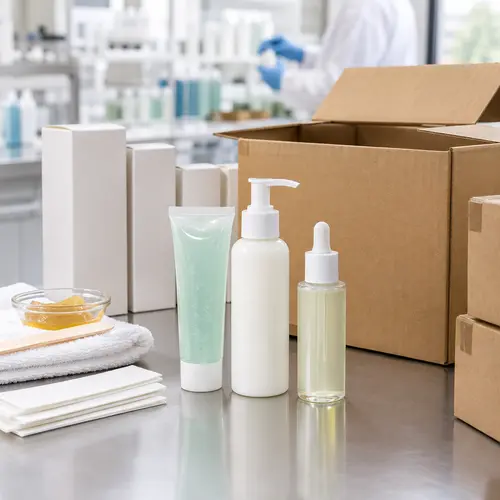
Packaging compatibility is another core part of the brief. The label should match the final container shape, fill volume, dispensing method, cap style, and outer carton dimensions. A roll-on cartridge needs enough printable space for heating and use directions. A wax strip pouch needs clear front-of-pack identity and a back panel that can still fit instructions, precautions, ingredients, company details, and batch information. A depilatory cream tube needs artwork that remains readable after filling, sealing, and normal handling.
Stability review should feed the wording and layout. If a wax becomes harder in cool rooms, if a cream requires upright storage, or if aftercare packaging is sensitive to abrasion in transit, the label brief should include storage wording, pack orientation guidance, and carton handling notes. Do not leave these decisions to the graphic designer after the product is finished. The manufacturing team, packaging supplier, and brand owner should review the same brief.
MOQ, sample scope, and shipment conditions should be stated clearly. A useful brief includes target order size, launch market, packaging count per carton, carton marking needs, pallet or small-parcel expectations, and whether the goods may enter marketplace fulfillment. Brands planning to use marketplace logistics should review platform requirements such as the Amazon FBA fulfillment program guidelines before finalizing retail cartons, bundle labels, and scannable codes.
Labeling documents should be requested before mass production. Ask the supplier for the ingredient list in order, net content format, product identity, batch code plan, responsible party details, use directions, caution wording, country-of-origin treatment where needed, and artwork proof history. For North American sales, the brief should also account for cosmetics labeling expectations from sources such as the FDA Cosmetics Labeling Guide and ingredient restriction references such as Health Canada cosmetic safety resources.

Common Problems or Failure Cases
Many launch problems come from a gap between the approved product idea and the actual pack-ready item. Wax brittleness is a common example. A wax that feels impressive in a small sample cup may crack, chip, or lose spreadability when filled into the selected jar or exposed to cooler warehouse conditions. The label may then overstate ease of use or under-explain warming needs.
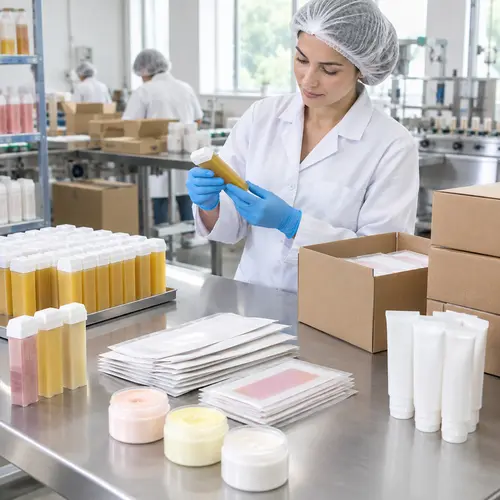
Wax strip adhesion loss is another practical risk. Strips that work during a fresh sample review may feel weaker after storage, especially if the adhesive layer, fabric, backing film, or pouch seal is not matched well. The buyer should ask for aged sample checks before approving claims such as strong grip, quick removal, or travel-ready convenience.
Depilatory cream separation can also undermine both performance and trust. If liquid weeps from the cream, if the color shifts, or if the tube dispenses unevenly, consumers may assume the product is expired or unsafe even when the issue is a compatibility or storage problem. The label brief should include realistic storage wording and avoid claims that the formula cannot consistently support.
Roll-on cartridge leakage is especially damaging for ecommerce. A small amount of seepage can stain cartons, blur a logo, damage barcodes, and increase return rates. The brief should confirm cap fit, fill level, heating directions, and whether the outer packaging needs a protective bag or insert for shipment.
Fragrance sensitivity is also worth handling directly. Hair removal products are often used on areas where consumers are already cautious. A strong fragrance may help the unboxing experience, but it can also increase complaints if the label does not set expectations. The brief should include fragrance level, allergen review where relevant, and plain-language caution wording.
Packaging deformation can occur when tubes, jars, pouches, or cartons are exposed to warm storage, tight bundling, or long transit. Deformed packaging weakens shelf appeal and can make the product look poorly manufactured. For private label buyers, the fix is not only stronger packaging; it is a clearer brief that connects formula behavior, label material, carton strength, and shipment route.
Supplier Checklist
- Confirm the supplier has made the same hair removal format before, such as depilatory cream, wax, wax strips, sugar wax, roll-on cartridges, or aftercare.
- Ask for a written sample record showing texture, color, scent, application feel, removal result, and packaging version.
- Check whether custom formula changes are reflected in the ingredient list, usage directions, and caution text.
- Review artwork against the final container, not a generic template, including logo placement, barcode area, batch code area, and net content position.
- Request compatibility notes for the formula, container, closure, label material, pouch, carton, and shipment method.
- Confirm the supplier can explain labeling limits for your target market without turning marketing copy into unsupported product claims.
- Ask for transparent BOM pricing, decoration costs, carton costs, testing costs, sample fees, and logistics estimates before approving the final design.
- Check whether the contact person understands both cosmetics manufacturing and social-media product presentation, especially if the product depends on a bold texture, color, or application visual.
- Review capacity, lead time, and reorder planning so a fast viral launch does not fail because production slots or component inventory are unavailable.
- Keep final artwork, ingredient documents, batch code rules, and approved samples in one shared folder before mass production starts.
FAQ
Can a Chinese OEM or ODM factory copy my idea or formula?
No supplier can make that risk zero, but you can reduce it with practical controls. Use a written project scope, limit disclosure to what the supplier needs, keep ownership terms in your contract, request version records, and avoid sending your full brand strategy before trust is established. Work with factories that can separate custom projects from public catalog products.
Can the sample texture and color match the dramatic look I need for video content?
Yes, but only if visual performance is part of the sample brief. Tell the factory how the cream, wax, or aftercare product should appear under camera lighting, during scooping, spreading, pulling, or dispensing. Ask for short sample videos and physical samples before approving the label design, especially when color, shine, stretch, or thickness is central to the concept.
What if a product complaint damages my influencer or DTC brand reputation?
The best defense is a conservative label brief backed by documented quality checks. Confirm irritation-risk review, patch-test wording where suitable, batch coding, retain samples, complaint handling steps, and clear use directions. Avoid aggressive claims and make sure the product is tested in the final packaging, not only in a lab sample container.
Will communication be difficult if I do not understand cosmetic ingredients?
A good supplier should translate technical choices into buyer language. Instead of asking only for an ingredient discussion, ask for use-case explanations: who the product is for, how it applies, what the consumer feels, what could go wrong, and what the label should say. This is especially important for brands built around social content and visual product demos.
What happens if my video goes viral and orders spike suddenly?
Ask about surge capacity before launch. The supplier should explain component stock, reorder lead time, production slot availability, carton supply, and shipment options. If larger customers could affect scheduling, request a realistic reorder plan and a clear reservation process for packaging materials.
Should the label brief be finished before or after final sample approval?
Create the first label brief during sampling, but finalize it only after the formula, container, closure, carton, and market requirements are confirmed. This prevents expensive artwork revisions and helps ensure directions, claims, and warnings match the actual hair removal product.