Direct Answer
The fastest way to move through the hair removal OEM process is to give the ODM partner a decision-ready brief, not simply a product idea. Before sampling begins, define the product format, target user, application area, desired performance, ingredient restrictions, sales markets, packaging direction, launch quantity, target cost, and required documentation.
For a depilatory cream, that means specifying removal time, hair type, body area, fragrance tolerance, and irritation priorities. For wax strips or roll-on wax, it means clarifying working temperature, residue expectations, strip dimensions, cartridge design, and likely shipment conditions. Reference samples, draft claim language, and packaging files remove further ambiguity.
A complete brief lets formulation, packaging compatibility, compliance review, and sourcing begin in parallel. An incomplete brief forces them into sequence. That distinction often determines whether a 3–5 business day sample objective is realistic or whether the project enters weeks of avoidable revision.

Key Takeaways for Private Label Buyers
- Choose the format first: Cream, sugar wax, hot wax, strips, cartridges, and aftercare products require different formula and packaging workflows.
- Describe measurable performance: State removal time, spreadability, residue level, fragrance intensity, working temperature, and acceptable skin feel.
- Confirm the launch market early: Claims, label content, ingredient review, and responsible-party documents depend on where the product will be sold.
- Lock the package around the formula: Container material, liner, closure, applicator, decoration, and fill weight can affect stability and leakage.
- Define the sample scope: Identify which variables may change and who has final approval to prevent circular feedback.
- Share commercial limits: Pilot quantity, target landed cost, launch date, and forecast affect sourcing and customization decisions.
Buyer Context: Why Better Inputs Create Faster Decisions
Hair-removal products look straightforward on a product page, but small technical differences can change the entire development path. A cream intended for coarse leg hair is not automatically suitable for underarm use. A wax formulated for a professional heater may perform poorly in a consumer microwave workflow. A roll-on cartridge that works in a controlled room can leak after hot storage or air shipment.
This is especially important for DTC brands replacing a failed supplier or trying to catch a short social-commerce trend. Speed cannot come from skipping review. It comes from reducing unanswered questions before the first lab batch. Buyers comparing hair removal product solutions should therefore begin with a structured use case rather than a mood board alone.
The brief should identify the consumer, body zone, hair coarseness, application method, removal method, after-feel, and expected retail positioning. If sensitive skin is central to the concept, define what that means operationally: lower fragrance, a narrower ingredient exclusion list, a patch-test instruction, or a gentler performance target. The available approaches to sensitive skin hair removal products involve tradeoffs between speed, efficacy, odor, and irritation risk.
Market information matters just as much. A United States launch, an EU launch, and distribution in Gulf markets may require different label and documentation planning. The Gulf Standardization Organization framework is a useful starting point for regional requirements, while final applicability should be checked for the destination country and product claims. Providing target markets at kickoff allows compliance review to run beside formulation instead of after packaging design is complete.
Technical and Packaging Factors to Define Before Sampling
Formula Performance and Sensory Targets
A useful formula brief describes observable behavior. For custom depilatory cream formulation, state the target application thickness, removal window, rinse behavior, odor tolerance, color, and post-rinse feel. Ask the formulator to record pH, viscosity, appearance, and odor for approved samples so later scale-up has a defined comparison point.
Depilatory actives and alkaline systems require an irritation-risk review. Buyers should provide the intended body area and warnings before approving claims. Consumer-facing language such as gentle, sensitive, or suitable for frequent use should be supported by the selected formula and appropriate testing rather than treated as decoration. For evidence searches, peer-reviewed research indexed by PubMed and NCBI can help identify relevant literature, although a database result does not replace product-specific safety substantiation.
Wax briefs need a different vocabulary. Specify whether the product is sugar wax, strip wax, hot wax, or a roll-on format. Define the heating method, desired spread, working temperature, setting behavior, flexibility, residue, and grip on short or coarse hair. Reviewing established custom wax strips and hot wax formats can help buyers separate formula choices from accessory and pack decisions.
Packaging Compatibility and Visual Design
Do not approve packaging by appearance alone. Send the component specification, resin or laminate structure, closure type, liner, applicator, decoration method, and logo artwork. Cream formulas should be checked for tube or bottle interaction, closure cleanliness, paneling, discoloration, odor transfer, and dispensing consistency. Wax cartridges need hot-storage, inversion, roller movement, and leakage review. Wax strips require aging checks for adhesion, separation, pouch integrity, and removal from the backing.
Colored wax also requires pigment documentation. When iron oxide pigments are proposed, buyers can consult the CIR safety profile of iron oxide pigments as one reference point, while still confirming cosmetic grade, supplier documentation, intended use, and regional acceptance.
Primary packaging should enter testing with the formula rather than after the formula is approved. The same principle applies to complementary after wax care products, where pumps, gels, lotions, and kit components may have different compatibility risks.

Storage, Shipment, and Approval Conditions
Tell the ODM where and how the product will travel. Heat exposure can soften wax, increase cartridge leakage, alter strip adhesion, or change cream viscosity. Cold storage may affect texture, phase uniformity, or dispensing. Request a written plan covering ambient stability, accelerated conditions, heat and cold exposure, freeze-thaw review where relevant, packaging compatibility, leakage orientation, and transport simulation.
The buyer should also define sample approval responsibilities. One consolidated feedback document is faster than separate comments from the founder, designer, distributor, and marketing team. Record which sample code was approved and retain its formula version, package combination, fill weight, sensory profile, and claim draft. A documented hair removal manufacturing process helps keep these approvals connected to filling, packaging, quality control, and shipment release.
Decision Framework for a Faster ODM Project
| Factor | What to Check | Why It Matters | ODM Buyer Note |
|---|---|---|---|
| Product architecture | Format, body area, user, hair type, application, and removal method | Determines the relevant formulation platform and test plan | Use one brief per SKU rather than combining several concepts |
| Performance target | Removal window, texture, residue, spread, grip, rinse behavior, and after-feel | Turns subjective preferences into sample criteria | Send a benchmark and explain what should be retained or improved |
| Safety and claims | Ingredient exclusions, irritation priorities, warnings, claims, and sales markets | Influences formula feasibility, labeling, and substantiation | Review claims before artwork is finalized |
| Packaging system | Material, closure, liner, applicator, decoration, dimensions, and fill weight | Controls dispensing, leakage, compatibility, and shelf appearance | Test the production-intent component, not only a visually similar sample |
| Stability and logistics | Heat, cold, orientation, transport route, storage, and carton configuration | Reveals failures that may not appear at room temperature | Share fulfillment and distributor conditions at kickoff |
| Commercial plan | Pilot quantity, target cost, launch date, forecast, and customization priorities | Guides ingredient, component, and decoration sourcing | Separate non-negotiable features from optional upgrades |
These inputs can be assembled before requesting a hair removal product RFQ. Buyers who need broader development support can also review the scope of custom hair removal product development and relevant hair removal product guides before the kickoff meeting.

ODM Manufacturing Considerations
A controlled hair removal OEM process should move from an approved product brief to a documented reference sample. Buyers should confirm more than color and fragrance. The approval record should identify the formula version, texture, application behavior, removal performance, acceptable residue, fill weight, primary package, and artwork version. Retain matched samples with both the buyer and manufacturer so later decisions are based on the same physical standard.
Formula customization can range from adjusting an existing platform to developing a more distinctive formulation. For depilatory cream, define the desired spreading behavior, removal time window, odor profile, and skin-feel expectations. For hard or soft wax, specify the preferred melting-point range, pickup, setting speed, flexibility, and cleanup behavior. Sugar wax projects should define consistency at the intended use temperature. Any fragrance, botanical oil, color, or aftercare ingredient added for differentiation should be assessed for sourcing continuity, regulatory suitability, and its effect on performance.
Packaging must be selected as part of product development, not after formula approval. Confirm the exact resin, liner, closure, applicator, label stock, adhesive, and decoration method. Review filled units for seal integrity, dispensing consistency, panel distortion, label lifting, and interaction between the formula and package surfaces. Roll-on wax cartridges also require attention to roller movement, cap fit, and fill-level tolerances. Buyers comparing formats can review the available hair removal product categories before fixing the sample scope.
Stability review should reflect the target shelf life, sales region, warehouse environment, and likely delivery route. Establish written acceptance criteria for appearance, odor, color, texture, performance, package function, and net content. A change does not automatically mean failure, but it should be investigated against predefined limits. The review period and decision points should appear in the project schedule described by the supplier’s manufacturing process.
MOQ discussions should separate formula batch requirements from packaging, printing, and component supplier minimums. A low launch quantity may be possible with standard components and limited decoration, while a custom mold, special color, or complex printed finish can create a higher economic threshold. Ask for a cost breakdown by formula, filling, components, decoration, testing, and documentation so unit economics can be evaluated against CAC and expected reorder volume.
Before approval, request the proposed ingredient declaration, product specifications, batch documentation format, safety support, and the labeling information required for the intended market. Shipment terms should identify case count, pallet configuration, temperature limitations, lot coding, remaining shelf life at dispatch, and responsibility for export and import records. Regional requirements differ; Gulf-market planning, for example, should be checked against the Gulf Standardization Organization framework and destination-country rules.

Common Problems or Failure Cases
Wax becomes brittle or cracks during removal. This can result from a mismatch among formula composition, application thickness, working temperature, and ambient conditions. Ask the supplier to reproduce the complaint using the approved use method and compare the result with the retained sample before changing the formula.
Wax strips lose adhesion. Possible causes include adhesive migration, unsuitable backing or release material, prolonged warm exposure, or poorly sealed sachets. Examine unopened and opened units, record storage history, and compare peel behavior across different lots.
Depilatory cream separates or dispenses unevenly. Separation may reflect an unstable ingredient balance, excessive temperature exposure, or package interaction. Buyers should document whether the change is reversible, whether odor or color also shifted, and whether removal performance remains within the approved range.
Roll-on cartridges leak. Leakage can originate at the roller, cap, neck, or body seam. Check fill level, closure dimensions, unit orientation, storage history, and carton staining. A leak observed only after distribution may indicate that shipment conditions were not represented adequately during development.
Fragrance causes sensitivity complaints. Fragrance level, allergen disclosure, consumer directions, and use area all matter. Request the fragrance documentation and ensure the finished formula receives an appropriate irritation-risk assessment. Relevant scientific context may also be located through peer-reviewed research indexed by PubMed and NCBI.
Packaging deforms or decoration fails. Warping, stress cracking, ink transfer, or label lifting can appear after filling even when empty components looked acceptable. Approval should therefore cover decorated, filled units made from the specified commercial materials.
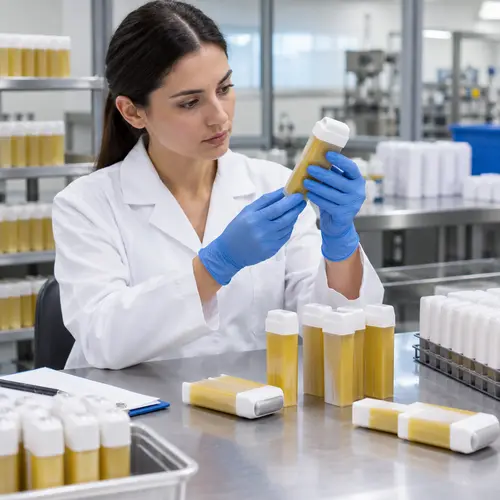
Supplier Checklist
- Confirm the legal manufacturing entity, production location, quality certifications, audit scope, and certificate validity directly with the issuing or auditing body.
- Request hair-removal experience by format, including cream, wax strips, sugar wax, roll-on cartridges, and aftercare products relevant to the project.
- Define the sample scope in writing: formula version, package, fragrance, color, fill weight, quantity, evaluation criteria, and number of revision rounds.
- Ask for measurable formula targets such as viscosity or melting-point range where relevant, plus texture, application, removal, residue, and odor expectations.
- Review ingredient documentation, restricted-substance controls, fragrance records, cruelty-free policy evidence, and market-specific compliance responsibilities.
- Confirm that the proposed package materials, closures, labels, and decoration match the materials used for approval.
- Agree on stability acceptance criteria, review intervals, retained samples, deviation handling, and the procedure for approving changes.
- Separate formula MOQ from component and decoration minimums, then model the landed unit cost at the first run and expected reorder quantities.
- Verify label responsibilities, ingredient naming, warnings, directions, lot coding, shelf-life marking, language versions, and approval ownership.
- Document shipment limits, carton specifications, pallet pattern, release checks, freight responsibilities, and complaint traceability.
- Review confidentiality terms, formula ownership, exclusivity limits, change control, and approved subcontractors before disclosing launch plans.
FAQ
Can an Asian manufacturer meet European and American clean beauty and cruelty-free expectations?
Location alone does not establish compliance. Define the restricted-ingredient policy and cruelty-free claim standard contractually, then verify supplier declarations, raw-material records, testing policies, certification scope, and change-notification procedures. Because clean beauty has no single universal definition, the buyer’s written standard must be specific.
Will a low MOQ make the unit cost too high to support customer acquisition costs?
It can, particularly when custom components or decoration carry separate minimums. Compare contribution margin at realistic sales volume, not only the initial unit price. Standard packaging, fewer variants, and staged customization can protect launch economics while preserving a credible product position.
Will a turnkey or platform formula make the product indistinguishable from competing brands?
Not necessarily. Differentiation can come from a controlled combination of performance targets, fragrance, color, application format, after-feel, packaging, claims support, and sourced specialty ingredients. Ask which formula elements are shared, which can be modified, and whether any exclusivity is available in writing.
Can we sign a strict NDA before sharing the formula brief and launch plan?
Yes, confidentiality terms should be settled before sensitive disclosure. The agreement should cover formulas, samples, artwork, pricing, forecasts, supplier identities, and brand plans, while identifying permitted personnel, subcontractor access, disclosure exceptions, term length, and governing law.
How can we verify that environmental packaging claims are not greenwashing?
Request material specifications, chain-of-custody or recycled-content evidence where applicable, certificate numbers, issuer details, and claim wording supported by the records. Verify certificates independently and avoid broad claims such as eco-friendly unless the defined benefit and comparison basis can be substantiated.
What should be approved before placing the first production order?
Approve the signed reference sample, formula specification, finished-product criteria, exact packaging components, artwork, labeling text, MOQ, commercial terms, quality documents, release plan, shipment conditions, and change-control process. The project record should identify who has final authority for each approval.
References
- Gulf Standardization Organization: regional standards and conformity framework information.
- PubMed and NCBI: searchable index of peer-reviewed biomedical literature relevant to ingredient and sensitivity research.